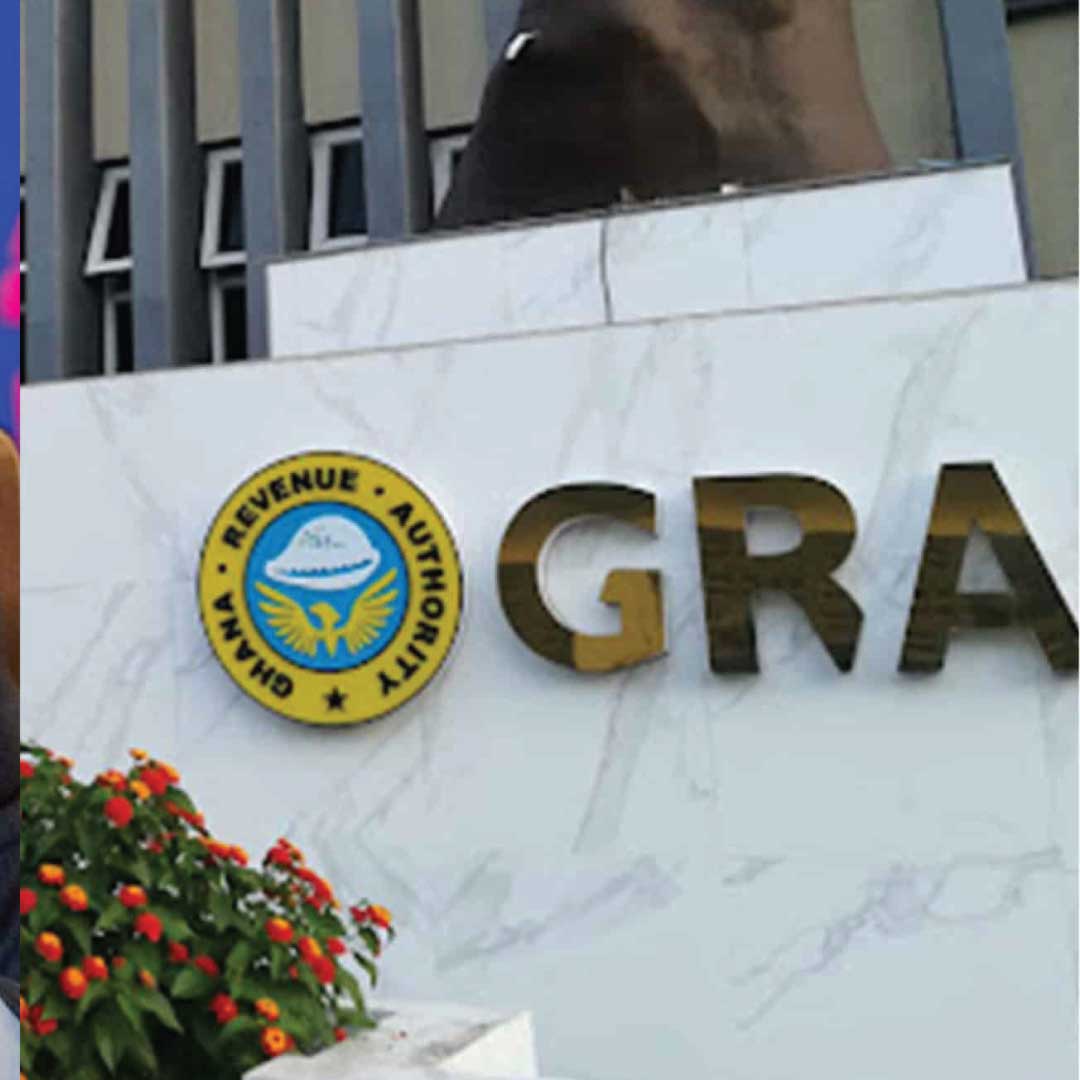
The Ghana Revenue Authority (GRA) has moved the deadline for selected tax returns to Monday, July 6, 2026. This extension addresses the severe flooding that recently disrupted movement, businesses, and public services in parts of Accra.
This relief applies to individuals and businesses originally required to submit their tax returns by June 30, 2026. Many taxpayers faced significant obstacles due to the floods, which hindered access to offices and disrupted daily operations. The GRA will not penalize those who file within this extended period.
This initiative fits into Ghana’s broader economic landscape, where timely tax collection is crucial for fiscal stability. The government relies heavily on tax revenues to support its fiscal consolidation programme. However, the GRA's action shows administrative flexibility, recognizing external disruptions like natural disasters. This approach helps maintain tax compliance even during emergencies, contrasting with a strict enforcement-only stance.
“The GRA has extended the filing deadline to Monday, July 6, 2026,” the Authority stated. This decision helps taxpayers overcome difficulties caused by heavy rains and flooding. It specifically targets those whose ability to meet statutory filing obligations was hampered by the disaster.
Businesses and individuals now have a short window to finalize their tax submissions without facing penalties. The GRA continues to encourage the use of its digital platforms for filing and payments. This extension demonstrates the Authority's willingness to adapt compliance timelines when extraordinary events disrupt normal economic activity. It also highlights the continued importance of practical and responsive compliance systems during emergencies affecting citizens and businesses.
Torrential rains over the weekend and into Monday caused widespread flooding across the capital. This led to property damage, disrupted road networks, and forced many businesses to temporarily close. The initial June 30 deadline coincided directly with the flood's aftermath, making filing and payment processes difficult for many. This was true even with the availability of digital tax filing platforms.
The GRA's move prevents affected taxpayers from being unfairly penalized for delays stemming from circumstances beyond their control. Tax compliance relies on taxpayers’ ability to access systems, records, professional services, and payment channels. When floods damage offices, disrupt internet access, or impede movement, meeting these obligations becomes challenging. This is especially true for small businesses and those dependent on physical records or external consultants.
The extension allows affected taxpayers additional time to gather documents, access GRA’s online systems, and complete their filings. This measure is expected to be well-received by businesses and tax practitioners who voiced concerns about the flood's impact on deadlines. Although digital tax administration has grown, the recent flooding shows that even digital compliance can be affected when physical infrastructure is disrupted. The extended July 6 deadline provides a critical buffer, allowing businesses to recover and reconcile their tax obligations without added stress from impending penalties.