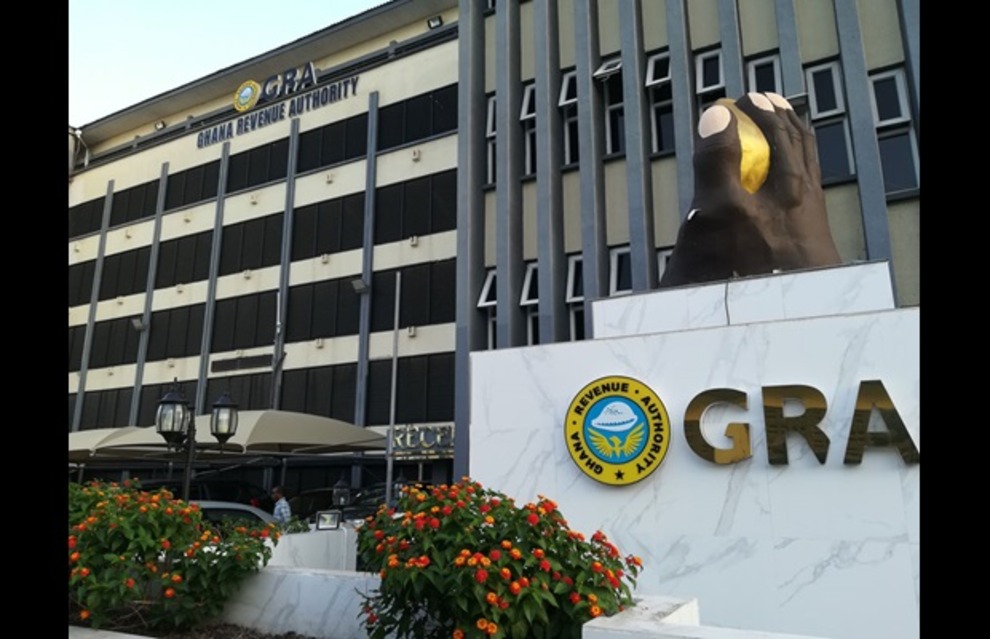
The Ghana Revenue Authority (GRA) has moved the deadline for filing select tax returns to Monday, July 6, 2026. This extension follows severe flooding caused by recent heavy rains in Accra and surrounding communities. The change provides a crucial reprieve for businesses and individuals impacted by the disruptions.
The extended deadline covers second-quarter Corporate Income Tax (CIT) and Personal Income Tax (PIT). It also includes Value Added Tax (VAT), National Health Insurance Levy (NHIL), and Communications Service Tax (CST) returns for May 2026. Businesses and individuals faced significant operational challenges due to the floods, making it difficult to meet the original deadlines.
This extension fits into Ghana's broader economic narrative of balancing revenue mobilisation with citizen support during crises. Extreme weather events often pose challenges to economic activity and tax compliance. In 2024, similar heavy rains impacted various sectors, prompting calls for government intervention. Ensuring tax compliance remains critical for the government to meet its fiscal targets, especially as it navigates economic recovery efforts.
The GRA confirmed the Commissioner-General approved the new filing deadline. The Authority assured taxpayers no late filing penalties would apply for returns submitted by July 6, 2026. Tax officials warned, however, that normal penalties will resume after this extended period. This statement appeared in a release from the GRA, aiming to clarify the terms of the extension. The GRA also encouraged taxpayers to use its digital platforms like the Taxpayer Portal for filing.
Businesses facing continued operational difficulties should contact their local Taxpayer Service Centre for assistance. This extension will allow affected taxpayers time to organise their financial records and operations. It signals the GRA's commitment to supporting businesses through challenging periods while maintaining domestic revenue mobilisation. The move aims to minimise the economic impact of the floods on tax collection and national development.
Businesses and individuals must adhere to the new deadline to avoid sanctions under Ghana's tax laws. The GRA expects this flexibility to help businesses recover from flood-related disruptions. Continued monitoring of weather patterns and their economic consequences will inform future policy decisions. This decision reflects a pragmatic approach to tax administration in the face of unexpected national challenges.