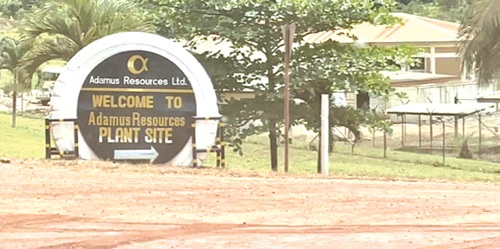
The Ghanaian government is moving to recover GHS 377.3 million in outstanding taxes and mineral royalties from Adamus Resources Limited. This significant financial claim intensifies an existing dispute over the revocation of the company’s mining leases in Ghana’s Western Region.
The Ministry of Lands and Natural Resources has confirmed the withdrawal of Adamus’ mineral rights. These rights covered the Akango, Salman, and Nkroful concessions. The government's decision followed a review of an earlier regulatory action. This review cited alleged regulatory breaches, unauthorized assignment of mineral rights, and outstanding statutory obligations by Adamus.
This development fits into Ghana’s broader economic strategy to enhance revenue collection from its natural resources. The nation is tightening its fiscal framework for the mining industry. A new Minerals and Mining Royalties regime, effective March, introduced a sliding-scale royalty system for gold. This system replaces a flat structure, with rates increasing as international gold prices rise. This policy aims to ensure Ghana captures a larger share of windfall gains during periods of high mineral prices.
Figures from the review process indicate GHS 86.8 million in unpaid royalties. Additionally, GHS 290.5 million in outstanding taxes are claimed. The government also cited approximately US$2.56 million in outstanding mineral-right fees. These amounts are claims associated with the government’s regulatory review, not finally adjudicated liabilities.
Adamus has rejected the lease revocation. The company accuses the government of acting outside statutory procedures for suspending or cancelling mineral rights. Adamus has stated its intention to challenge the decision through the courts. The focus on revenue recovery now creates a second front in this legal battle.
What began as a contest over regulatory compliance is now also about financial liabilities. The government’s position follows investigations by the Minerals Commission. The Commission stated Adamus assigned portions of its mineral rights to third parties without required ministerial approval. It also permitted mining activities outside approved operational arrangements. The Commission cited Section 14 of the Minerals and Mining Act, 2006 (Act 703), as one of the breached provisions.
Adamus disputes this account. The company maintains it was a duly licensed operator. It argues it did not receive adequate notice of the allegations or an opportunity to respond before the leases were revoked. Following Adamus’s petition, Lands and Natural Resources Minister Emmanuel Armah-Kofi Buah established an independent committee to review the revocation. The ministry had stated an interim management arrangement would oversee the mine during the review, with the revocation remaining in force. The government has since upheld the revocation, pushing Adamus to pursue legal avenues.
The unresolved revenue issue is particularly important given Ghana’s new royalty regime. This regime aims to improve how Ghana verifies production and assesses mineral revenues. It also seeks to strengthen the collection of the state’s share of extractive-sector income. The Minerals Income Investment Fund and other state institutions have revived an inter-agency mechanism for this purpose. This mechanism involves revenue, regulatory, and enforcement bodies. The Adamus case, however, is complicated by the ongoing legal contest over the underlying leases. The recovery of claimed amounts may depend on how liabilities were calculated and whether assessments withstand judicial scrutiny.