Ghana’s Ministry of Finance will release GHS 350 million to support victims affected by the recent floods in Accra. President John Dramani Mahama directed this financial aid after widespread flooding across parts of the country.
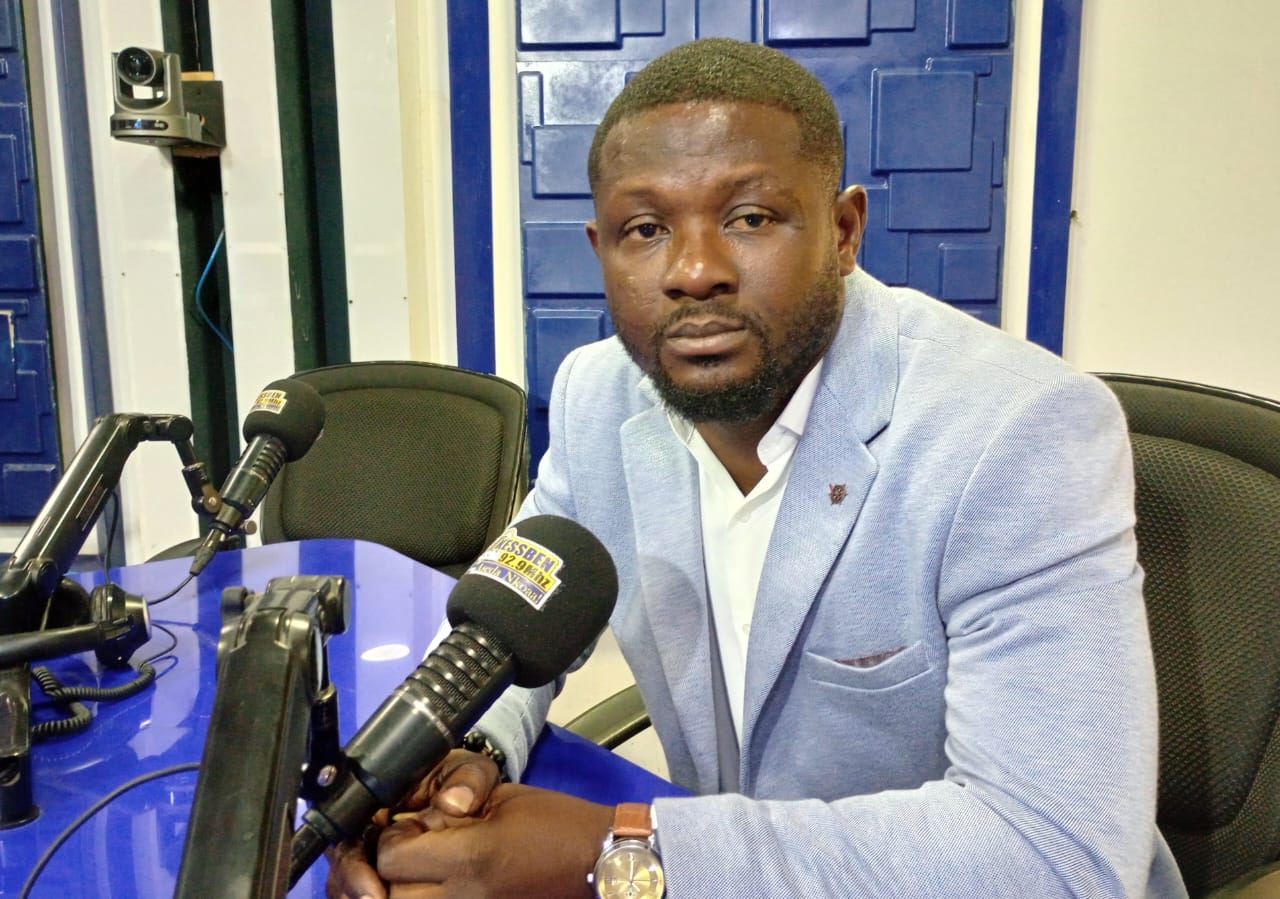
These severe floods followed nearly 10 continuous hours of heavy rainfall, an intensity not seen in almost a decade. Godwin Mahama Ayaba, Corporate Affairs Officer at Tema Oil Refinery (TOR), highlighted the need for urgent structural and behavioural reforms. He warned that protecting wetlands and redesigning urban areas are crucial to prevent future tragedies.
The recurrent flooding in Accra poses significant economic challenges, disrupting businesses and displacing residents. The continuous encroachment on wetlands, natural flood barriers, exacerbates these issues. This situation aligns with broader concerns about unregulated urban development and its impact on Ghana's infrastructure resilience.
Godwin Mahama Ayaba described the heavy downpour as an extraordinary event. He stated, “If anyone says the President did not have to visit the scenes with a chopper, he either doesn’t know what he is saying or is mischievous. The best means to have an overview of the floods couldn’t have been better than using a helicopter.” Ayaba also called on traditional authorities to stop selling wetlands and Ramsar sites for construction. He warned continued encroachment will deepen Ghana’s flood crisis.
The release of GHS 350 million marks an immediate government response to the humanitarian crisis. However, long-term effective solutions will require significant policy changes and enforcement. Decision-makers must focus on sustainable urban planning, strict wetland protection, and public education campaigns. These measures aim to mitigate both economic losses and human suffering from future flood events. The proposed relocation of state institutions could also redistribute economic activity more evenly across Ghana's regions.
Mr. Ayaba further stressed the need for a long-term redesign of Accra’s urban planning. He urged the decongestion of the capital city. He proposed relocating some major state institutions to the Central and Volta regions, creating more space in Accra. Citizens must also change their behaviours, including stopping construction on waterways and ending indiscriminate refuse dumping. These practices currently worsen flooding. Addressing these issues remains vital for Ghana’s economic stability and public welfare.