Akosua Manu, Advisor on Gender and Social Protection to the New Patriotic Party's (NPP) 2028 presidential candidate, Dr Mahamudu Bawumia, has criticised the government's response to recent floods. She stated that protecting citizens' lives is the administration's primary duty, not managing public perception.
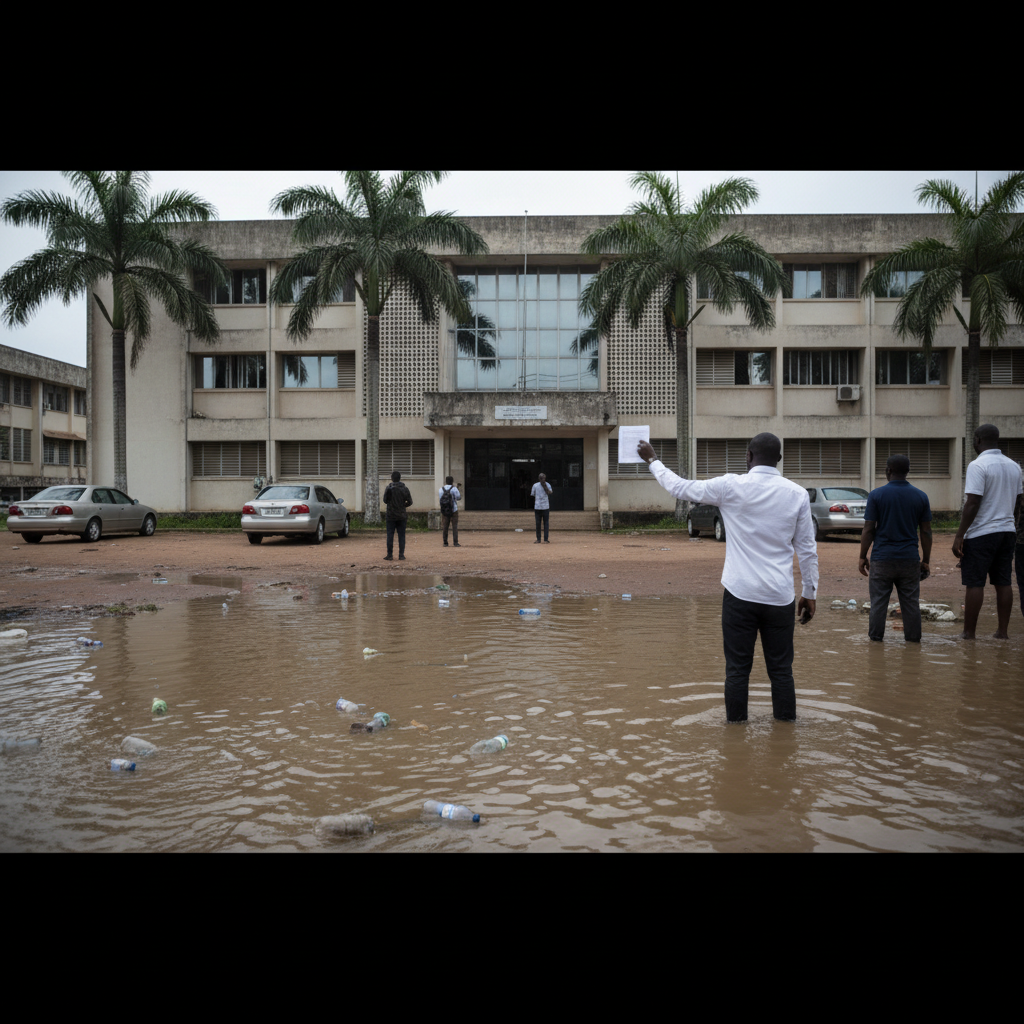
Her comments followed severe flooding across several parts of Ghana after torrential rainfall from Sunday through Monday. The floods caused significant destruction, especially in Accra, where many homes, businesses, roads, and public infrastructure were submerged. This disaster disrupted transport, stranded hundreds of commuters, and caused damage worth millions of GHS.
Flooding remains a persistent challenge in Ghana's urban centres, particularly Accra, affecting commerce and livelihoods annually. Historical data shows consistent economic losses due to inadequate drainage systems and rapid urbanisation. The issue often resurfaces during perennial rainy seasons, raising concerns about long-term infrastructure investment and disaster preparedness strategies.
Ms Manu articulated these concerns on Asempa FM's Ekosii Sɛn show on Thursday, July 2. "The first job of a government is to protect the lives of its citizens," she emphasised. She added that leadership should be judged by its emergency response, not just appearances. "If you do not have a plan beyond settings, your own optics will expose you," she warned.
The government faces ongoing pressure to improve urban planning and resilient infrastructure, especially flood control systems. Following this criticism, policymakers and relevant authorities must demonstrate a clear action plan to address recurrent flooding. This includes accelerating drainage projects and enforcing building regulations to mitigate future economic and social impacts.
The widespread disruption caused by these floods impacts economic activity and public health, necessitating a comprehensive approach. The cost of property damage and lost productivity from flooding can amount to millions of GHS annually. Effective disaster management and infrastructure investment are critical for Ghana's economic stability and public welfare.
This situation also puts a spotlight on the government's expenditure on flood control initiatives. Previous reports have indicated varying levels of investment, with some debating the effectiveness of these funds. Therefore, transparent communication and measurable outcomes from current and future flood mitigation efforts will be crucial for public confidence.
Decision-makers will be pressed to show concrete steps towards averting similar disasters. This includes reviewing urban development policies and strengthening enforcement to prevent illegal construction on waterways. The upcoming rainy seasons will serve as a critical test for these strategies and the current administration's commitment to public safety.
Ultimately, a clear strategy for disaster management is crucial for Ghana's economic resilience. Continued inaction could lead to further economic losses, displacement, and public health crises. Protecting lives and property directly contributes to national productivity and investor confidence.