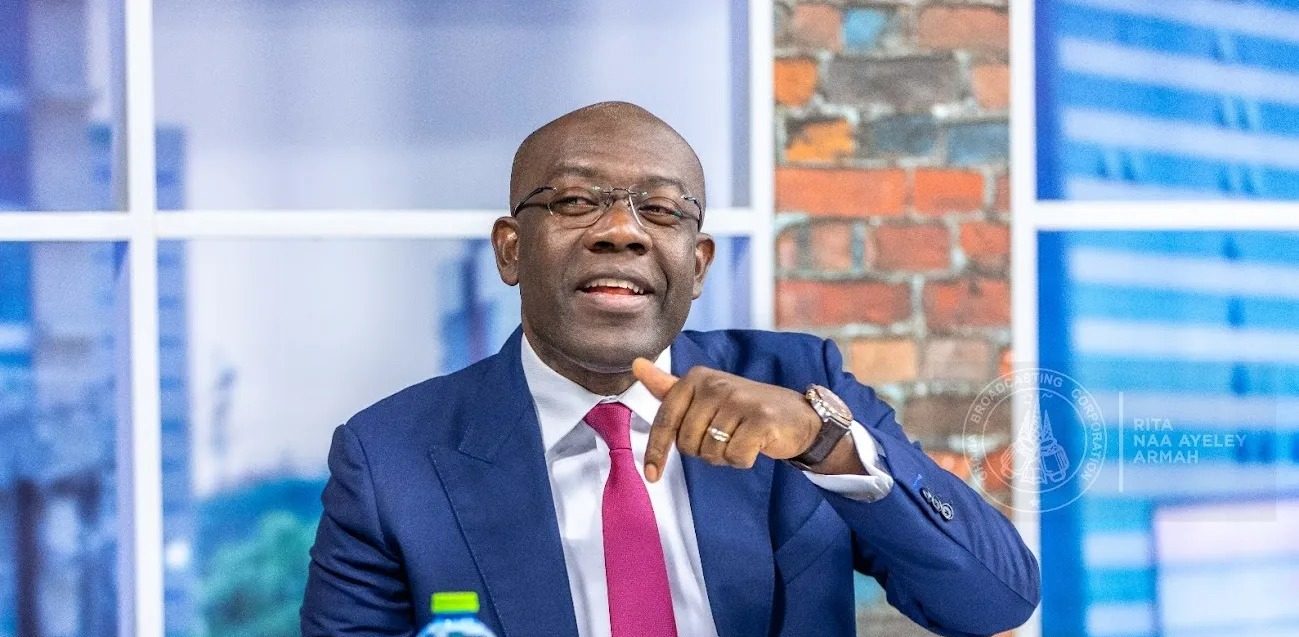
The government has failed to deliver on many major promises it made, according to Kojo Oppong Nkrumah, Ranking Member on Parliament’s Economy and Development Committee. He alleges the government now relies on only two or three achievements to show it is performing well. This claim suggests a significant shortfall in the government's delivery on its stated agenda.
Oppong Nkrumah stated that the government's performance should not be judged by broad claims of development. He believes its success should instead be measured against specific promises and targets. These targets were outlined in its 2025 and 2026 economic programmes. He highlighted that many listed initiatives have been abandoned, leaving only a few active projects.
This situation fits into a broader narrative of fiscal challenges and economic pressures facing Ghana. The country has grappled with high public debt and the need for increased revenue generation. The government's ability to fund ambitious projects has been constrained by these economic realities. This has led to a re-evaluation of spending priorities and project timelines.
Kojo Oppong Nkrumah, the Ofoase/Ayirebi Member of Parliament, specifically cited unfulfilled promises in critical sectors. He mentioned the pledge to build 600 CHPS compounds and work on 35 Agenda 111 projects in healthcare. He also questioned the commitment to construct seven stadia as part of the sports programme. These examples underscore his assertion that many initial commitments have not materialised.
The MP attributes this abandonment of promises partly to weak fiscal management and poor revenue mobilisation. He argued that government revenue has not increased sufficiently compared to the size of the economy. This shortfall in funds has left the government with fewer resources to finance many of its promised programmes and projects. Consequently, the government has focused on a limited number of areas to showcase its performance.
The implications of these allegations are significant for public trust and future policy direction. Citizens and investors will closely watch how the government responds to these claims. Decision-makers will need to address concerns about fiscal discipline and project delivery. The focus will shift to transparent reporting on project progress and budget allocations. This will be crucial for maintaining credibility and ensuring accountability.
Oppong Nkrumah maintained that assessing government performance requires examining actual project delivery and budget figures. He stressed that broad political statements are insufficient. He called for a detailed review of programmes, allocated funds, and achieved targets. This approach would provide a clearer picture of the government's effectiveness and economic impact. The public expects concrete results and measurable progress on development initiatives.
The government's ability to demonstrate tangible progress on its remaining commitments will be key. This includes showing how it plans to address the fiscal challenges highlighted by Oppong Nkrumah. The debate over abandoned promises will likely influence public discourse ahead of future elections. It will also shape expectations for economic management and development strategies. The focus remains on delivering on promises to improve the lives of Ghanaians.