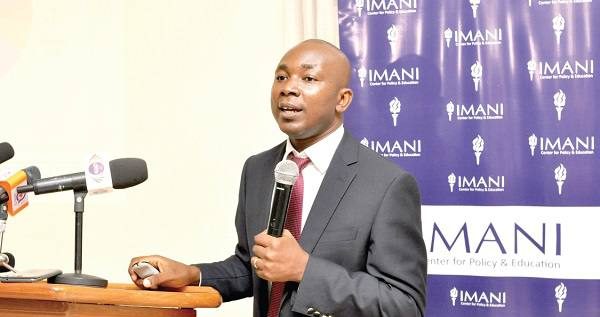
Economics Professor Godfred Bokpin has warned that the Ghana Gold Board (GoldBod) operations could create a significant financial burden for the Bank of Ghana (BoG). This burden might necessitate government intervention to recapitalise the central bank. Professor Bokpin's concerns highlight potential financial risks associated with the domestic gold purchasing programme.
Professor Bokpin acknowledged GoldBod's role in attracting more foreign exchange into Ghana's formal financial system. GoldBod achieves this by purchasing gold from artisanal and small-scale miners. However, he questioned whether the benefits of this domestic gold purchasing programme justified the financial risks and costs of its implementation. He described GoldBod as a useful intervention but urged the government to carefully assess the programme's true cost.
The Bank of Ghana has played a major role in financing and supporting GoldBod. This arrangement makes the central bank the institution that ultimately carries much of the programme's financial risk. Losses from this setup could affect the Bank of Ghana's balance sheet. Such an impact would then create a need for government recapitalisation, potentially diverting public funds. This situation could strain Ghana's public finances, which are already under pressure from existing debt obligations.
Professor Bokpin further noted that these financial costs may not immediately appear in Ghana's public debt figures. Ghana does not currently use a general government approach when calculating its debt stock. Consequently, the impact of these potential losses could remain outside reported public debt figures. This accounting method could give the impression of a lower debt-to-GDP ratio than the reality. This lack of transparency could mask the true financial exposure of the state.
Professor Bokpin argued that a more detailed assessment of Ghana's gold value chain was needed before GoldBod began operations. Such an assessment could have helped authorities better understand and manage potential financial exposure. His comments come amid an ongoing debate over the financial performance and cost of the domestic gold purchasing programme. Stakeholders are calling for greater clarity on the financial relationship between GoldBod and the Bank of Ghana.
GoldBod Chief Executive Officer Sammy Gyamfi has rejected claims that the institution recorded losses. Mr. Gyamfi pointed to GoldBod’s audited 2025 financial statements. He stated these statements recorded an operational surplus of GHS 907 million and an overall surplus of GHS 5.4 billion. These conflicting statements underscore the need for transparent financial reporting. The differing positions have sparked calls for greater transparency over the financial relationship between GoldBod and the Bank of Ghana. Stakeholders seek a clearer picture of the programme’s overall costs and benefits.
The implications of a potential recapitalisation burden on the Bank of Ghana are significant. A recapitalisation would likely require government funds, potentially increasing public debt or diverting resources from other critical sectors. Investors and international financial institutions will closely watch how these financial risks are managed. The government must provide clear and comprehensive financial disclosures regarding GoldBod's operations. This transparency is crucial for maintaining confidence in Ghana's financial stability and economic management. The long-term sustainability of the gold purchasing programme depends on a clear understanding of its true financial impact on the central bank and the national economy.