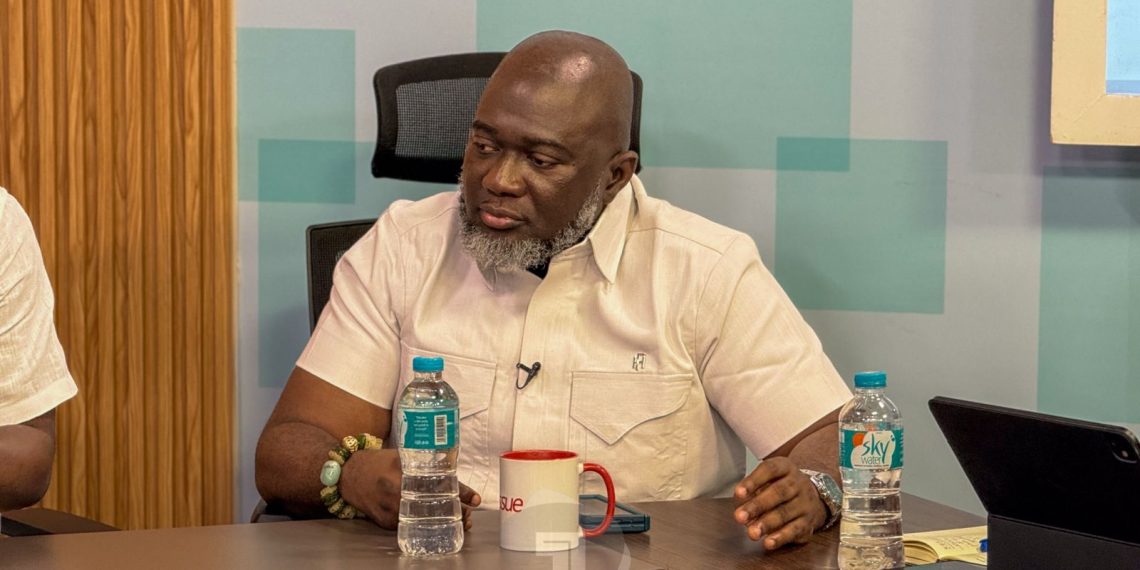
Duncan Amoah, Executive Secretary of the Chamber of Petroleum Consumers (COPEC), has urged the government to ensure the Ghana Gold Board (GoldBod) avoids financial and structural mistakes from the previous Gold-for-Oil programme. He specifically highlighted the need to address commodity price volatility, foreign exchange risks, and gold transaction financing. This advice aims to protect public funds and ensure GoldBod's long-term viability.
Mr. Amoah's comments follow claims by the Minority that GoldBod has incurred losses of about US$1.7 billion. Minority Leader Alexander Afenyo-Markin referenced an International Monetary Fund report to support this assertion. However, GoldBod Chief Executive Officer Sammy Gyamfi has rejected these allegations, maintaining that GoldBod has generated profits. The debate underscores the critical need for transparency and robust financial models in state-backed trading initiatives.
This discussion fits into Ghana's broader economic narrative of managing commodity revenues and stabilizing the cedi. The Gold-for-Oil programme, launched in 2022, aimed to reduce reliance on foreign exchange for oil imports. It sought to stabilize the cedi and lower inflation by paying for oil with gold. While the programme initially showed some positive effects on foreign exchange conditions and inflation, its underlying financial structure faced scrutiny. Ghana's economy has been grappling with high inflation, which reached 54.1% in December 2022, before declining to 23.2% by December 2023. Exchange rate stability remains a key government objective.
Mr. Amoah acknowledged that GoldBod had produced some positive outcomes, including improved foreign exchange conditions and declining inflation. He cautioned against premature celebration of these gains. He stated that the institution’s trading model had not been fully tested over time. Mr. Amoah specifically warned against allowing the Bank of Ghana to finance such trading programmes. This could transfer potential losses directly to the central bank, impacting its balance sheet and monetary policy effectiveness.
The previous Gold-for-Oil programme carried inherent risks due to fluctuations in both gold and oil prices. Mr. Amoah explained that if gold prices dropped while oil prices increased, more gold would be required to purchase the same quantity of oil. This scenario could lead to significant financial losses for the entity financing the transactions. He emphasized that such commodity trading programmes must be properly structured to account for price volatility. Without robust risk management, public funds could be exposed to substantial market risks.
Mr. Amoah stressed that the government should apply these lessons to GoldBod. Its trading framework must be designed to protect public funds from market swings. He argued that the current debate over alleged losses should not become a partisan issue. Instead, it should focus on identifying and correcting any weaknesses in GoldBod's operational model. This approach ensures accountability and strengthens the institution for future operations.
Greater clarity is needed on GoldBod’s new financing model. This includes identifying its funding sources and the exchange rates applied to its transactions. Mr. Amoah believes GoldBod should demonstrate its ability to finance trading activities independently. It must generate sustainable profits without transferring potential losses to the Bank of Ghana. This independent financial footing is crucial for the institution's credibility and long-term success. The market will closely watch GoldBod's financial disclosures and operational transparency. Decision-makers will assess its ability to contribute positively to Ghana's economy without incurring undue risks. The government's response to these concerns will shape investor confidence and public trust in state-backed enterprises.