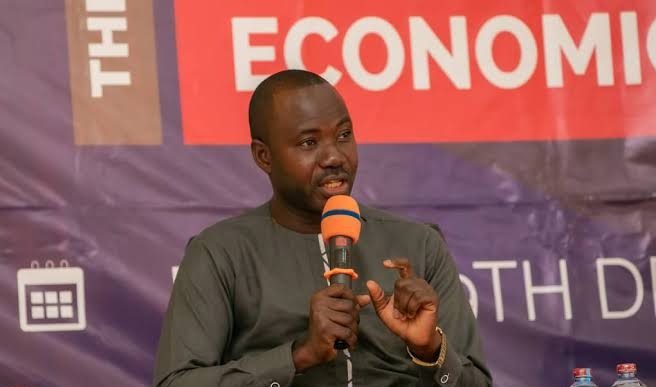
Ghana has reportedly sacrificed GHS 2 billion in withholding tax revenue through incentives under the Ghana Gold Board (GoldBod) programme. Dr. Adu Owusu Sarkodie, a University of Ghana lecturer, revealed this significant financial concession. He stated this forgone revenue must be included in any serious assessment of GoldBod’s financial performance.
The tax exemption, specifically the removal of a 1.5% withholding tax, aimed to encourage small-scale gold miners. This policy sought to formalise the gold trade and reduce smuggling. It also intended to increase the amount of gold purchased by the state through GoldBod. However, Dr. Sarkodie considers this tax exemption a direct cost to the government. He argues it should be factored into the programme's overall financial evaluation.
This development adds a new dimension to the ongoing debate surrounding GoldBod's financial impact on Ghana. Discussions have largely focused on the reported $1.7 billion cost of the programme. However, other financial concessions, like this tax revenue loss, have received less attention. Ghana's economy relies heavily on mineral exports, and the efficient management of its gold resources is crucial for national revenue. Previous initiatives aimed at formalising the mining sector have faced challenges, making GoldBod's performance particularly scrutinised.
Dr. Sarkodie, who is also the Executive Director of the Centre for Policy Scrutiny, made these remarks during a television discussion. He emphasised that a comprehensive cost-benefit analysis is necessary. This analysis should extend beyond simple profit or loss calculations. It must consider direct financial costs, forgone tax revenue, opportunity costs, and environmental impacts. He believes this holistic approach will provide a clearer picture of GoldBod's true value to the nation.
The implications of this GHS 2 billion forgone revenue are substantial for Ghana's public finances. It represents funds that could have been directed towards other critical sectors like education or healthcare. Policymakers must now determine if the programme's objectives can be achieved more cost-effectively. Future evaluations will likely focus on balancing the benefits of formalising the gold trade against these significant financial concessions. The government will need to address these concerns to maintain public and investor confidence in its resource management strategies.
Dr. Sarkodie also identified other costs associated with GoldBod’s operations. These include premiums, discounts, fees, charges, and exchange-rate differences. He acknowledged that some incentives might be necessary to attract miners and formalise the trade. However, he stressed the need to assess whether the programme can meet its goals at a lower overall cost. The benefits of GoldBod, such as strengthening Ghana’s gold reserves and improving foreign exchange availability, must be weighed against these financial outlays. Reducing illegal gold trading is another stated benefit, but its economic impact must justify the tax revenue sacrifice.
The Minority in Parliament maintains that GoldBod has incurred losses of about $1.7 billion. GoldBod Chief Executive Officer Sammy Gyamfi has rejected this claim, insisting the institution has generated profits. Dr. Sarkodie's analysis introduces a new element to this disagreement. It highlights that even if GoldBod shows operational profits, the government might still be incurring significant costs through tax exemptions. This perspective demands a more nuanced understanding of the programme's financial footprint. The public and financial markets will watch closely for the government's response to these calls for a detailed financial review.