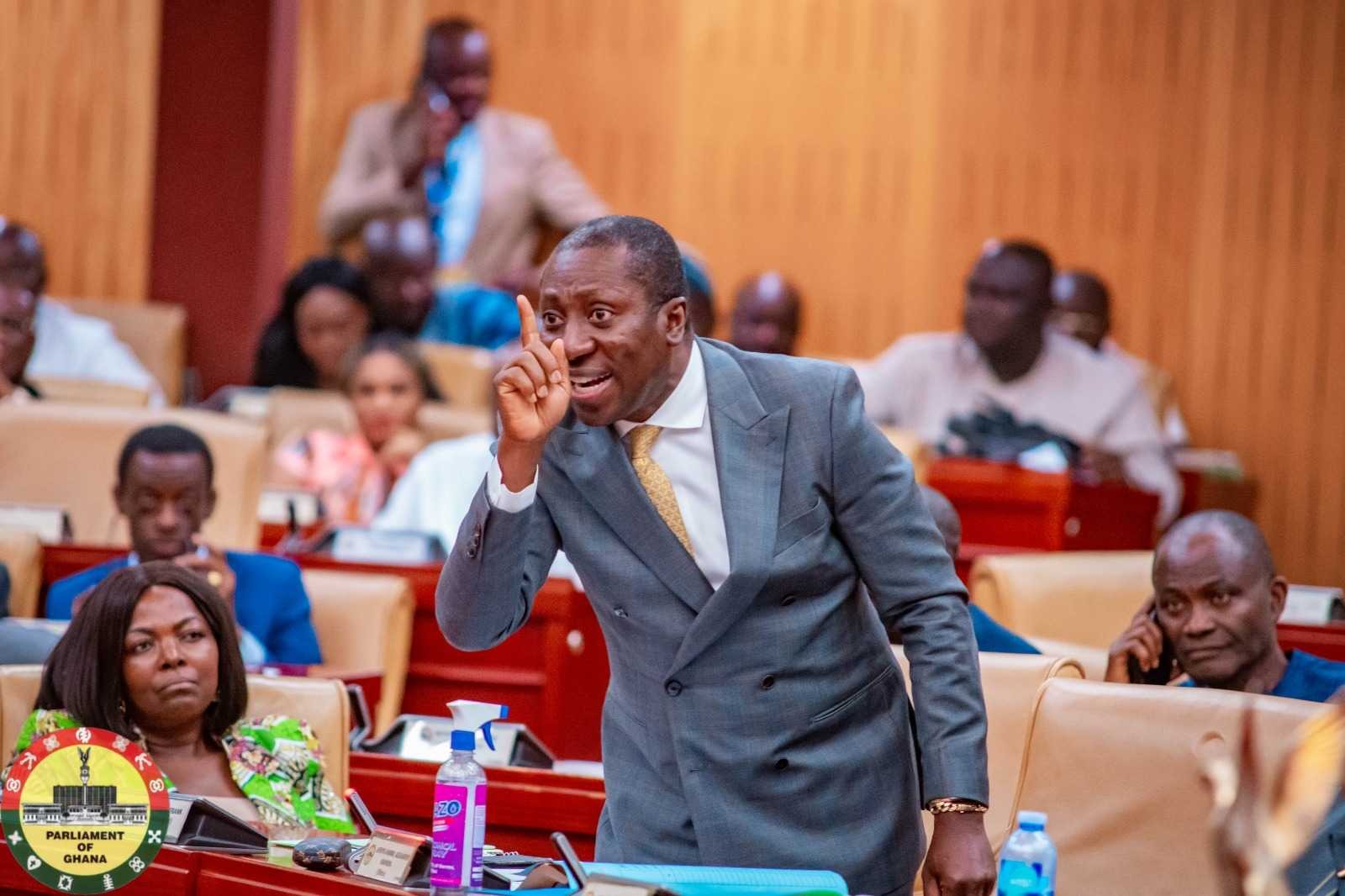
Minority Leader Alexander Afenyo-Markin has challenged the National Democratic Congress (NDC) to admit policy failures contributed to reported GHS 22 billion losses. These losses are linked to the Domestic Gold Purchase Programme (DGPP) by 2025. Mr. Afenyo-Markin stated the Minority's concerns are based on facts.
He emphasized that the reported losses represent a significant financial setback for Ghana. The Minority Leader urged the NDC to acknowledge these issues for a path forward. This public statement comes amidst a heated disagreement with Ghana Gold Board (GoldBod) Chief Executive Officer Sammy Gyamfi. Mr. Gyamfi accused Mr. Afenyo-Markin of running a smear campaign against GoldBod.
This dispute highlights deep divisions in Ghana's political landscape regarding economic accountability. The Domestic Gold Purchase Programme aims to boost Ghana's gold reserves and stabilize the cedi. However, claims of such substantial losses raise serious questions about its effectiveness and management. Previous government initiatives have also faced scrutiny over financial transparency and outcomes. The Bank of Ghana, for instance, has been actively involved in gold purchase schemes to shore up foreign exchange reserves. This current controversy could undermine public confidence in similar state-backed economic programs.
Mr. Afenyo-Markin firmly rejected the accusation of a smear campaign. He insisted that the government must properly explain the reported GHS 22 billion losses. He called for a focus on identifying and addressing policy problems that led to these financial outcomes. The Minority Leader also vowed not to be distracted by personal attacks in his pursuit of accountability.
He stressed the importance of civility in Ghana's political discussions. Mr. Afenyo-Markin maintained that disagreements should not lead to disrespect among differing views. He affirmed his commitment to his role as Minority Leader. He stated he would continue to pursue questions surrounding GoldBod and the reported losses, despite any criticism.
The implications of these reported losses are far-reaching for Ghana's economy. A GHS 22 billion deficit in a key national program could strain public finances. It might also impact investor confidence in state-managed enterprises. Decision-makers will need to address these claims transparently. Markets will closely watch for any official responses or investigations into the DGPP's financial performance. The government's handling of this issue will be crucial for its credibility. It will also influence future economic policy decisions and public trust.
The Domestic Gold Purchase Programme is a strategic initiative designed to strengthen the cedi. It aims to increase the country's gold reserves. If the reported GHS 22 billion losses are confirmed, it would represent a significant failure. Such a failure would necessitate a thorough review of the program's structure and oversight. The public and international financial institutions will demand clear explanations. They will also expect concrete actions to prevent future financial mismanagement. This situation underscores the critical need for robust governance in state-owned enterprises.