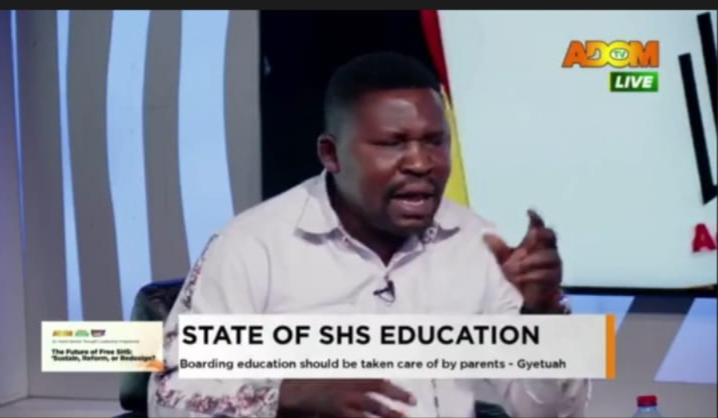
The Ghana National Council of Private Schools (GNACOPS) has called for boarding education under the Free Senior High School (Free SHS) programme to become fully fee-paying. This proposal, articulated by GNACOPS Executive Director Obenfo Nana Kwasi Gyetuah, argues that the current arrangement unfairly benefits a section of students at the expense of Ghanaian taxpayers.
Mr. Gyetuah stated that the government should maintain free day secondary education. However, parents who choose boarding facilities should bear the full cost of accommodation and feeding. He highlighted the inequity of some students receiving additional benefits, including free boarding and meals, while all Ghanaians contribute to funding the programme through taxes.
This call for reform comes amid growing concerns about the financial sustainability of the Free SHS programme. The policy, a flagship initiative, has placed significant fiscal pressure on the national budget since its inception. Data from the Ministry of Finance indicates substantial annual allocations to the programme, impacting other critical sectors.
Speaking on the Adom Brands Thought Leadership Programme, Mr. Gyetuah emphasized the unfairness of the current system. He noted that day students do not enjoy the same level of support as their boarding counterparts. He believes that making boarding education fee-paying would significantly reduce the financial burden on the state. This move would also make the Free SHS policy more sustainable in the long term.
Mr. Gyetuah pointed to Côte d’Ivoire as an example of a country that operates its secondary education system without a widespread boarding school model. He suggested Ghana could adopt a similar approach. This would ensure access to quality education for all students while managing costs effectively. The education advocate maintained that government should prioritise investing limited resources in improving infrastructure, teaching and learning materials, and overall educational quality. This investment should take precedence over subsidising boarding facilities.
His remarks align with increasing calls from various education stakeholders for reforms to the Free SHS programme. Concerns over funding, infrastructure deficits, and long-term sustainability continue to dominate national discussions. The Adom Brands Thought Leadership Programme brought together these stakeholders to discuss practical reforms. These discussions aim at safeguarding the future of Ghana’s crucial Free SHS policy. The proposed changes could lead to a significant shift in how secondary education is funded and delivered in Ghana. This would impact both government expenditure and household budgets.