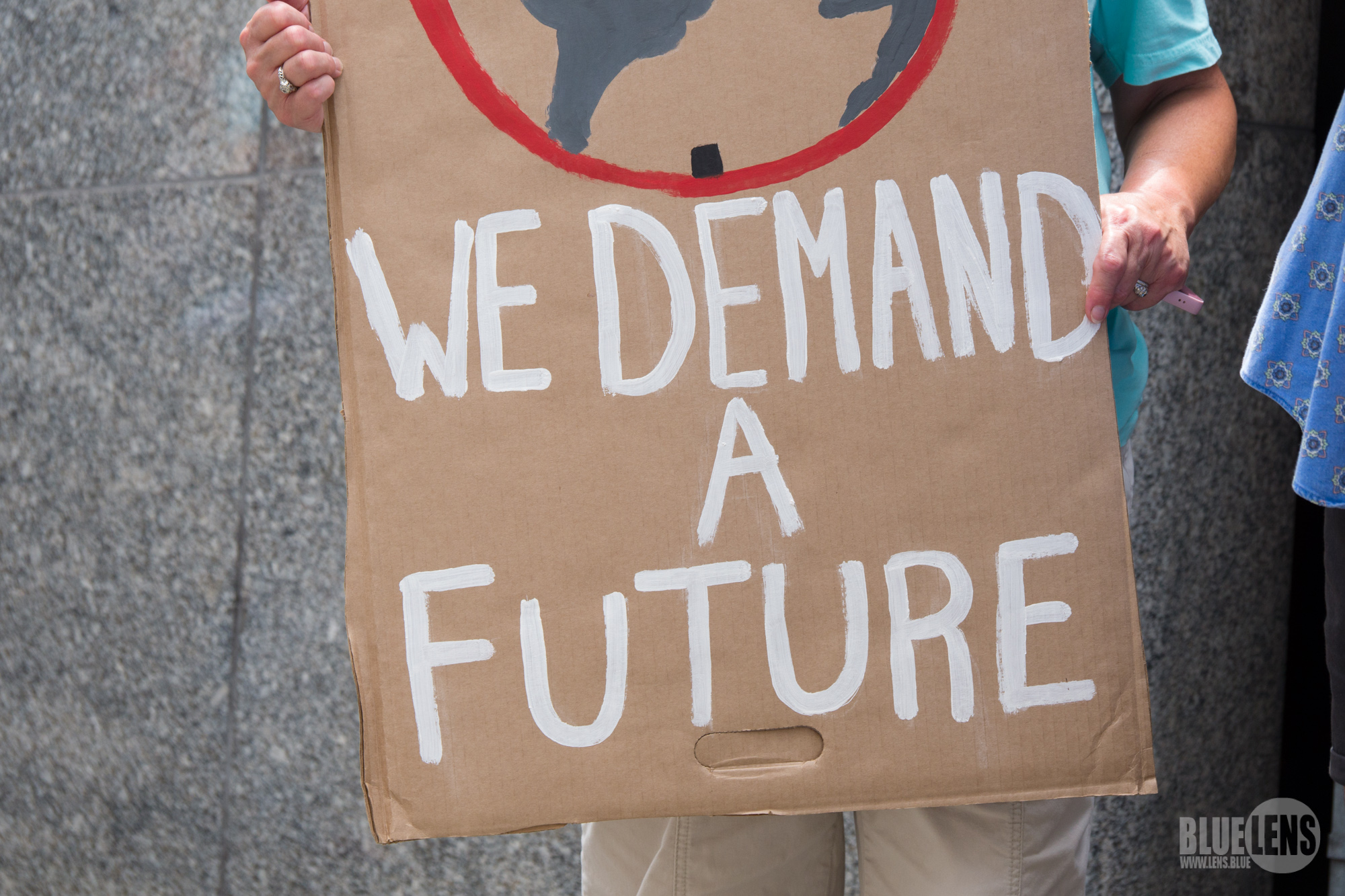
Ghanaian youth climate advocates demand 40% of the country’s annual climate adaptation budget for the Upper East, Upper West, Northern, and Savannah regions. This significant allocation aims to address the disproportionate impact of climate change on these vulnerable areas. The demand forms a key part of a National Youth Statement adopted at the 2026 Local Conference of Youth (LCOY Ghana).
The youth argue that climate financing must directly benefit communities most affected by environmental shifts. They propose using public community scorecards to monitor fund distribution and ensure accountability. This mechanism would track whether funds reach their intended beneficiaries in northern Ghana, ensuring transparency in climate spending.
This initiative fits into Ghana’s broader economic development goals, particularly efforts to address regional disparities and promote sustainable growth. Northern Ghana faces unique challenges, including desertification and erratic rainfall, which impact agriculture and livelihoods. Ensuring targeted climate funding can bolster economic resilience and reduce poverty in these regions, aligning with national development frameworks.
The National Youth Statement, crafted by 300 young people from all 16 regions, also outlines several other critical demands. It calls for a $5 million National Youth Climate Innovation Fund to support youth-led green businesses across Ghana. Additionally, the statement advocates for 30% youth representation on national climate decision-making bodies, including Ghana’s delegation to COP31.
The youth also seek to create 50,000 green jobs for young people by 2030 through a proposed National Green Jobs Programme. This programme would specifically target women and youth in northern Ghana, providing crucial employment opportunities. They further demand statutory status for the Youth Climate Council Ghana, empowering it to review climate legislation and receive formal government responses.
Recognizing indigenous knowledge is another core demand, with a call for a national register documenting traditional ecological practices. This register would inform climate policymaking, integrating local wisdom into national strategies. Such an approach acknowledges the historical resilience and adaptive capacities of Ghanaian communities.
Delegates have committed to tracking the implementation of these demands, pledging a public review of progress within six months. They plan to appoint a youth climate advocate in each region to support ongoing monitoring and advocacy efforts. This structured follow-up demonstrates a serious commitment to ensuring their proposals translate into concrete action.
The National Youth Statement will be presented to Parliament, relevant government ministries, and international climate negotiators. This presentation will occur ahead of COP31, ensuring Ghana’s youth voice is heard on the global stage. Their proactive engagement highlights the urgency of climate action and equitable resource distribution for Ghana’s future.