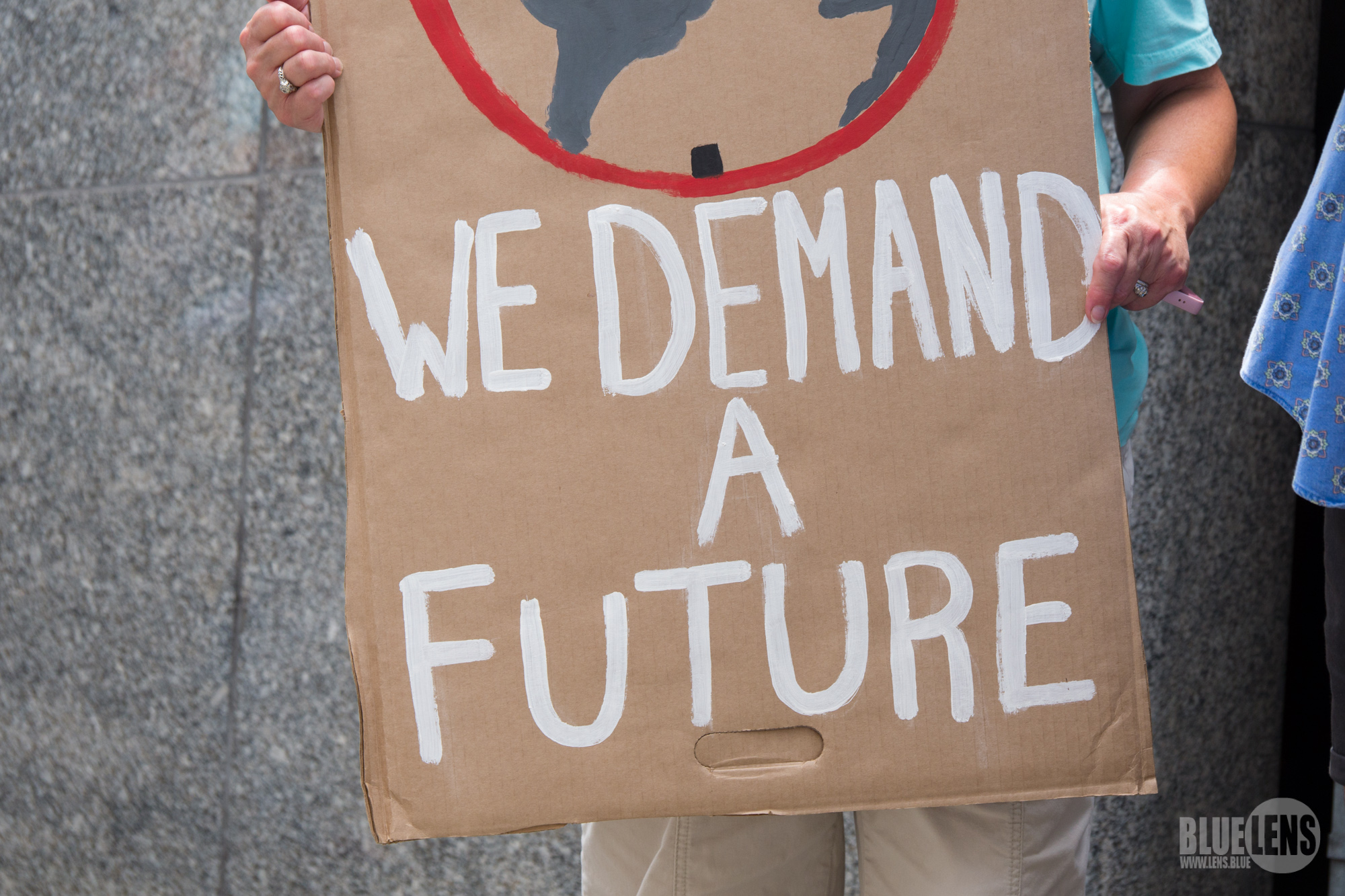
Ghanaian youth have formally requested the government to allocate at least 40 per cent of the country’s annual climate adaptation budget to the four northern regions. This significant demand aims to accelerate development and strengthen climate resilience in these vulnerable areas. The call was a key outcome of the Local Conference of Youth (LCOY) Ghana 2026, which concluded recently.
Communities in northern Ghana face severe impacts from climate change, including persistent drought, desertification, and unpredictable rainfall patterns. These environmental challenges directly threaten agricultural production and livelihoods, deepening existing economic inequalities. The youth statement highlights the urgent need for targeted financial support to mitigate these escalating crises.
This demand fits into Ghana's broader economic strategy to address climate vulnerability and promote sustainable development. The nation is increasingly focused on climate finance and green initiatives to protect its economy and citizens. Prior events, such as national dialogues on climate action, have underscored the disproportionate impact of climate change on specific regions, particularly the north and coastal areas.
Dr. Abdul-Razak Saeed, Head of Environment and Climate Change Cluster at the United Nations Development Programme (UNDP), has consistently emphasized the importance of youth engagement in climate solutions. The UNDP supports youth-led innovations, providing seed funding for promising projects. This institutional backing highlights the recognition of youth as critical stakeholders in Ghana's climate future.
The government will now face pressure to respond to these specific and detailed proposals. Decision-makers must consider the economic implications of reallocating significant climate funds and establishing new financial mechanisms. Markets and development partners will watch closely for policy shifts that reflect these youth-led demands, especially regarding transparency and accountability in climate finance.
Beyond the direct funding allocation, the youth proposed establishing a $5 million National Youth Climate Innovation Fund. This fund, equivalent to approximately GHS 60 million, would operate in collaboration with the Ghana Climate Innovation Centre. Its purpose is to support youth-led green businesses, fostering entrepreneurship and sustainable economic growth.
The youth also called for a National Green Jobs Programme, with an ambitious target to create 50,000 green jobs by 2030. This programme would specifically target opportunities for women and young people in northern Ghana. Such initiatives are crucial for economic diversification and reducing unemployment in climate-affected regions.
To ensure accountability, the youth advocated for public community scorecards to track the allocation and use of climate funds. This mechanism aims to enhance transparency and ensure that financial resources reach the most vulnerable communities effectively. Greater oversight is essential for building trust and achieving desired climate adaptation outcomes.
Furthermore, the National Youth Statement demanded a legal requirement for at least 30 per cent youth representation on national climate decision-making bodies. This includes Ghana’s delegation to the Conference of Parties (COP), ensuring young voices directly influence policy. Empowering youth in governance can lead to more inclusive and effective climate strategies.
The delegates also proposed making the Youth Climate Council Ghana a statutory body. This would grant it powers to review climate legislation and receive formal responses to its recommendations. Such a move would institutionalize youth participation in climate governance, providing a permanent platform for their input.
Several youth-led initiatives already demonstrate practical solutions to climate challenges and economic opportunities. Examples include plastic waste recycling by McKingtorch Africa and sustainable packaging from Reusable Bags GH. Bidigreen Ghana Limited converts agricultural waste into eco-friendly charcoal briquettes, while Green Court Farms promotes organic farming practices.
These initiatives, often supported by organizations like the Strategic Youth Network for Development (SYND), showcase the potential for local innovation. The UNDP's provision of $3,000 in seed funding for the conference's top three innovations further encourages this entrepreneurial spirit. These grassroots efforts are vital for building a resilient and green economy in Ghana.
The comprehensive demands from Ghana's youth underscore a growing national awareness of climate change's economic and social costs. Their proposals offer concrete pathways for investment, job creation, and improved governance in the climate sector. The government's response will signal its commitment to both climate action and youth empowerment.