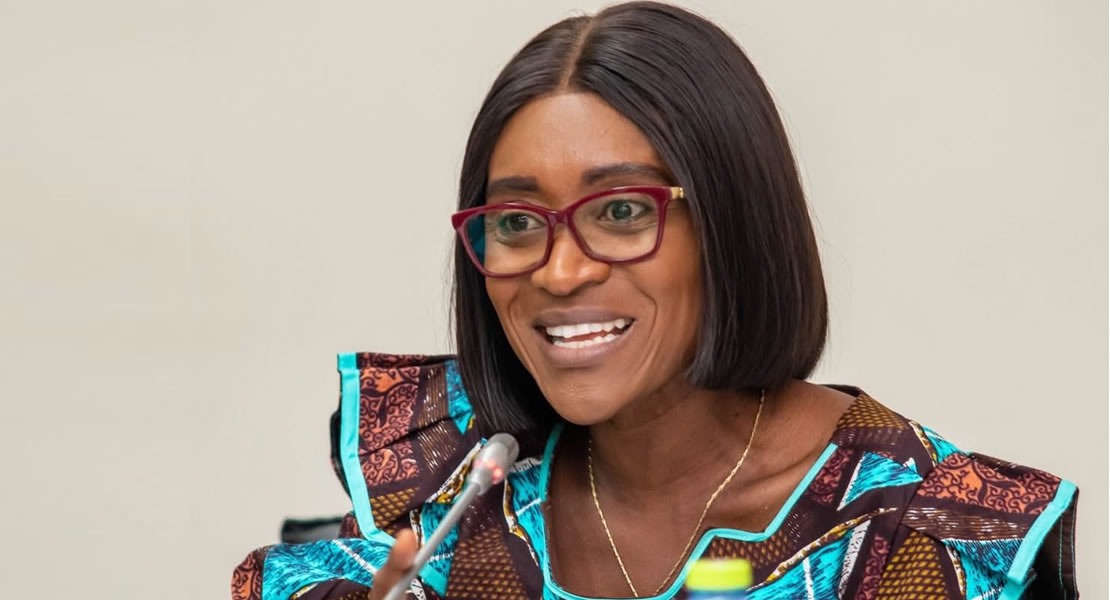
Abena Osei-Asare, the Member of Parliament for Atiwa East, has urged the government to prioritize completing abandoned public projects. She stated that focusing on existing infrastructure would yield greater benefits for Ghana than starting new initiatives. This call comes amidst discussions surrounding the 2026 Mid-Year Budget Review.
The former Deputy Finance Minister emphasized that the government should invest more in unfinished projects. She noted that many government projects across the country remain abandoned or incomplete. This situation, she explained, has already cost the state significant sums of money.
The Auditor-General’s 2024 report highlighted these issues, revealing widespread contract irregularities. Abena Osei-Asare specifically pointed out that abandoned and incomplete projects accounted for GHS 189 million in losses. This figure represents a substantial portion of the irregularities identified in the report.
“One of the huge infractions that we saw in 2024 was contract irregularities, and that had to do with abandoned projects and uncompleted projects to the tune of GHS 189 million,” Osei-Asare stated. She believes that completing these projects should be a top priority. Such an approach would ensure public funds are used effectively and benefit communities immediately.
Ghana’s economic development often faces challenges from inefficient resource allocation. The persistent issue of abandoned projects diverts funds that could otherwise stimulate growth and improve public services. This trend impacts various sectors, from healthcare to education and transport infrastructure.
The MP also questioned the government’s spending decisions, particularly regarding capital investment. She observed that the figures in the Mid-Year Budget Review indicated a lack of sufficient attention to capital expenditure. The government planned to spend GHS 21 billion on capital expenditure, but only GHS 14 billion was ultimately utilized.
Conversely, spending on arrears reached GHS 29 billion, significantly exceeding the GHS 14 billion approved by Parliament. This discrepancy suggests a misallocation of funds, with more money going towards outstanding debts rather than productive investments. “When you have capex of GHS 21 billion, and you end up spending GHS 14 billion, but rather you have arrears of GHS 14 billion, and you end up spending GHS 29 billion, that is where I say that you are not spending in the right places,” she explained.
Osei-Asare stressed that investing in stalled infrastructure projects would have a more profound impact on the economy. It would also improve the living standards of Ghanaians. This strategic shift in spending could unlock economic potential and deliver tangible results for citizens. Decision-makers will need to respond to these concerns by re-evaluating budget priorities. Markets will closely watch for any policy changes aimed at improving fiscal discipline and project completion rates.