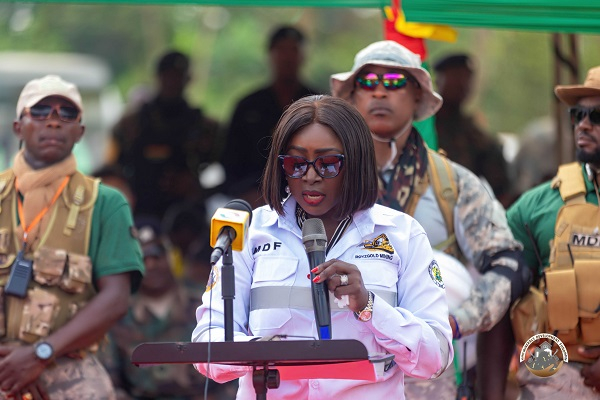
Ghana's government has transferred GHS 402.40 million to the Minerals Development Fund (MDF) for 2026. This significant financial injection aims to support development projects in the nation's key mining communities. This move places renewed attention on how mineral wealth benefits local populations.
The disclosure came from Deputy Minister for Finance Thomas Ampem Nyarko. This transfer is critical as mining communities continue to demand a fairer share of Ghana’s extractive wealth. The MDF was created to translate national mineral earnings into tangible local development. Communities hosting mining operations often face poor infrastructure and environmental damage despite the sector's vast revenues.
Ghana’s mining sector has consistently generated substantial export earnings and tax revenue for decades. Many communities near mining sites, however, still struggle with inadequate roads, weak health facilities, and limited access to water. This contradiction remains a central challenge in Ghana's natural resource governance. The Minerals Development Fund Act, 2016 (Act 912) established the MDF specifically to provide financial resources for these affected areas and support sustainable development.
Deputy Minister for Finance Thomas Ampem Nyarko confirmed the allocation. He emphasized the government's commitment to ensuring mineral royalties result in visible improvements in mining communities. Experts and civil society groups continually advocate for greater transparency and community involvement in fund utilization decisions.
This latest GHS 402.40 million transfer should provide resources for community infrastructure and institutional capacity. The greater challenge lies in ensuring accountability and efficient management of these funds. Past pledges have often not translated into significant improvements on the ground. The Minerals Development Fund Board must ensure transparent disbursals and needs-based project selection. Local management committees also need strengthening to align projects with actual community priorities, not political convenience.
This transfer also aligns with Ghana’s broader efforts to increase national benefits from the mining sector. The government is pursuing a more assertive approach to mineral royalties and local content. This current climate, with strong gold prices and growing public pressure, makes the MDF even more crucial. If Ghana seeks support for mining expansion and critical mineral development, local communities must see direct benefits from extraction. The MDF must become a tool for building trust between the government, mining companies, and affected communities. Every cedi transferred to the MDF should be traceable. Every project funded should be publicly listed and audited.