President John Dramani Mahama has announced plans to construct 30 new E-Block secondary schools across Ghana. These schools will be built under the government’s STARR-J project.
The new E-Blocks will be entirely new constructions. This initiative is distinct from the government's ongoing efforts to complete previously abandoned E-Block projects. Many of these new schools will serve high-population communities in major cities as community day schools.
This expansion of educational infrastructure fits into Ghana's broader strategy to improve human capital development. Increased access to secondary education is crucial for a skilled workforce and sustained economic growth. The government has consistently prioritized education spending, recognizing its long-term impact on national productivity.
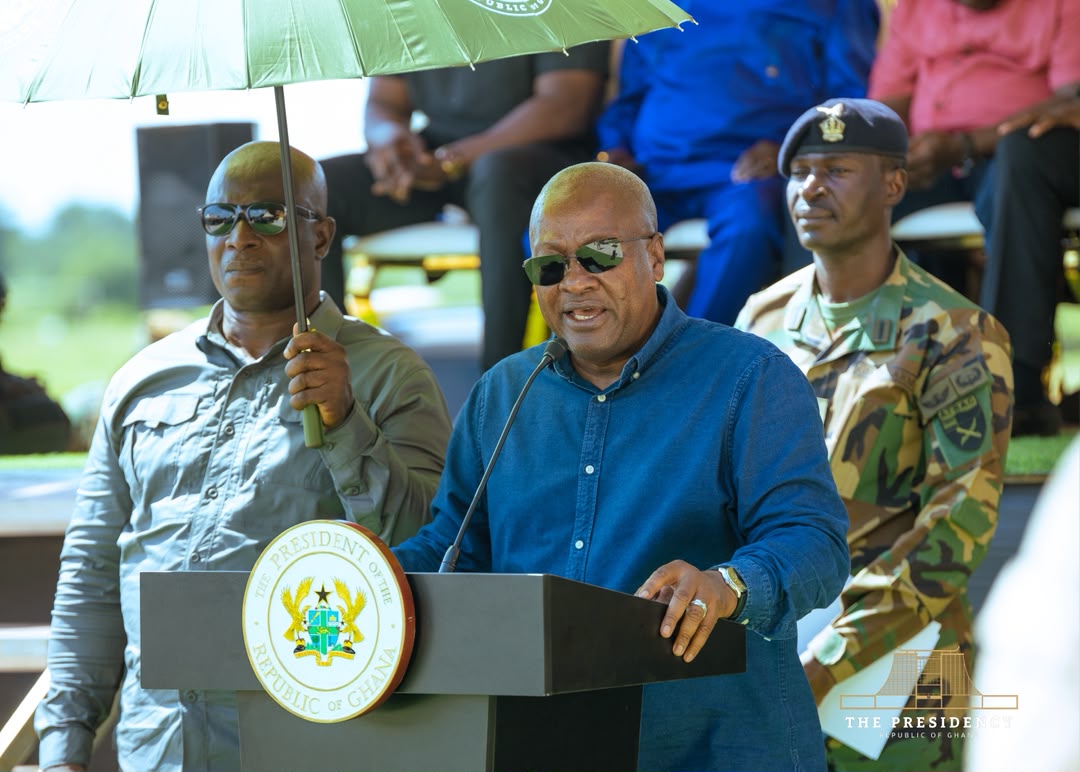
President Mahama stated, “Under the STARR-J project, we're going to build another 30 new E-Blocks. These ones, 30 from the scratch.” He made these remarks during the commissioning of a completed E-Block project in Paga, Upper East Region.
The construction of new schools will alleviate congestion in existing facilities. It will also reduce the burden on students traveling long distances to school. The government plans to convert some rural E-Blocks into boarding institutions to further support students in remote areas. This move will enhance learning conditions and student retention rates.
Ghana's commitment to education infrastructure reflects its long-term economic vision. Investments in education are vital for future productivity and competitiveness. The STARR-J project signifies a renewed focus on expanding access to quality learning environments. This will directly impact thousands of Ghanaian students. Decision-makers will monitor the project's progress and its effectiveness in addressing educational disparities. The financial implications for public spending will also be closely watched.
The government's dual approach of completing old projects and initiating new ones shows a comprehensive strategy. This aims to tackle the persistent challenge of inadequate secondary school facilities. The focus on high-density areas addresses the immediate needs of urban populations. Converting rural schools into boarding facilities provides a practical solution for students in remote districts. This strategic investment is expected to yield significant social and economic returns for the nation. It will ensure more young Ghanaians gain access to essential secondary education.