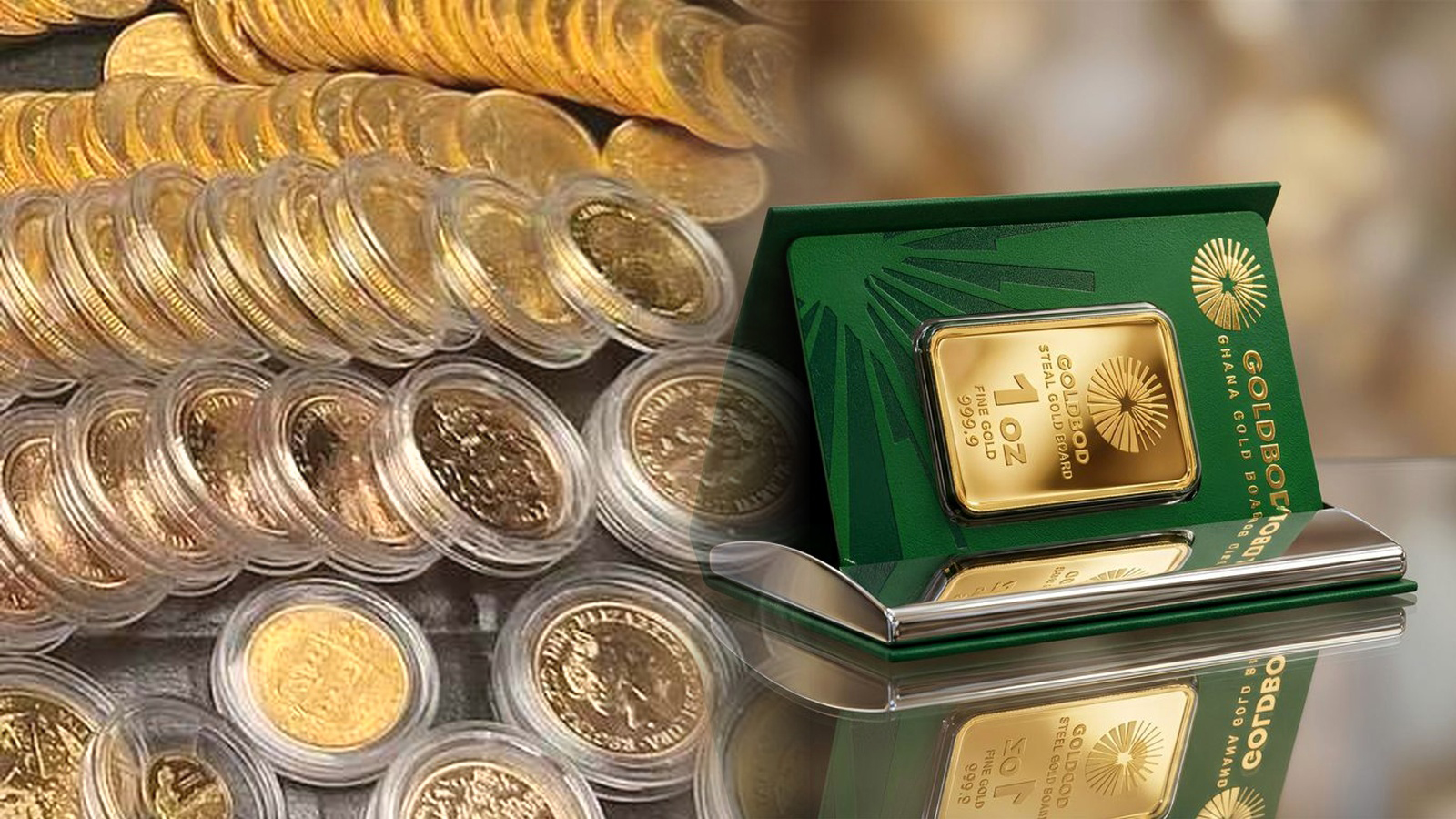
Ghana currently charges Value Added Tax (VAT) and other consumption taxes on investment-grade gold tablets. These taxes contribute to a premium of 29% to 32% over the international gold price. This pricing structure significantly inflates the cost for retail investors.
This tax application affects products like those offered by GoldBod Jewellery, a Ghana Gold Board initiative. GoldBod enables ordinary Ghanaians to buy physical gold in small denominations, such as one-gram tablets. However, the added taxes reduce gold's appeal as a long-term savings instrument. The current pricing means investors may take several years just to break even on their purchase.
This approach diverges from global norms where investment gold is largely VAT-exempt to promote wealth preservation. Ghana's economy has faced currency instability, making gold a potential hedge against inflation. High taxes undermine this benefit. The Bank of Ghana's own Gold Coin, launched in November 2024, is designed as a savings tool without such retail consumption taxes. This tacitly acknowledges the distinction between investment gold and consumer goods.
The Ghana Report highlights that these statutory taxes are a core reason for the elevated prices. It notes that this formula makes less sense for an asset meant to be held for years. GoldBod’s own pricing breakdown includes international gold price, refining, fabrication, packaging, distribution, and statutory taxes, including VAT.
The high upfront cost, combined with potential buyback discounts, negatively impacts investors. For instance, GoldBod applies a 10% discount if an investor resells a tablet within 12 months. This penalty compounds the initial tax burden. Investors bear the full weight of taxes and premiums when buying. They also face further deductions when selling back early.
This contrasts sharply with international practices. The United Kingdom exempted investment-grade gold bullion from VAT in January 2000. This followed an EU-wide decision in 1999. Their goal was to tax gold like shares and other investments, not as merchandise. Switzerland and Australia also exempt qualifying investment gold from VAT. China, while taxing gold jewellery, exempts investment-grade bars and coins.
In VAT-exempt markets, a one-ounce gold bar typically trades just 1% to 3% above the international spot price. Retail prices for investment gold elsewhere rarely exceed an 8% premium. GoldBod tablets, by contrast, carry a premium of 29% to 32% over the same benchmark. This wide gap shows that Ghana's VAT is a significant contributor to the higher prices.
This pricing strategy treats gold as a fast-moving consumer good. However, gold is a slow asset. Historically, gold needs 12 to 18 months to gain 10% and three to five years to gain 30%. Paying a 30% premium upfront means investors require years of price appreciation just to reach a breakeven point. This policy delays the recovery period for an asset meant for long-term wealth preservation.
Policymakers may need to re-evaluate the taxation of investment gold. This includes examining the current VAT and other consumption taxes. Aligning Ghana's policies with international best practices could make gold more accessible and effective as a savings vehicle. This would better support financial inclusion and wealth preservation goals for Ghanaians.