The Ghana Standards Authority (GSA) reports that more than GHS 60 million of its budget remains unspent. Delays in receiving 'Commitment Authorisation' from the Ministry of Finance caused this financial bottleneck. This situation affects the GSA's crucial operations, particularly the testing of samples.
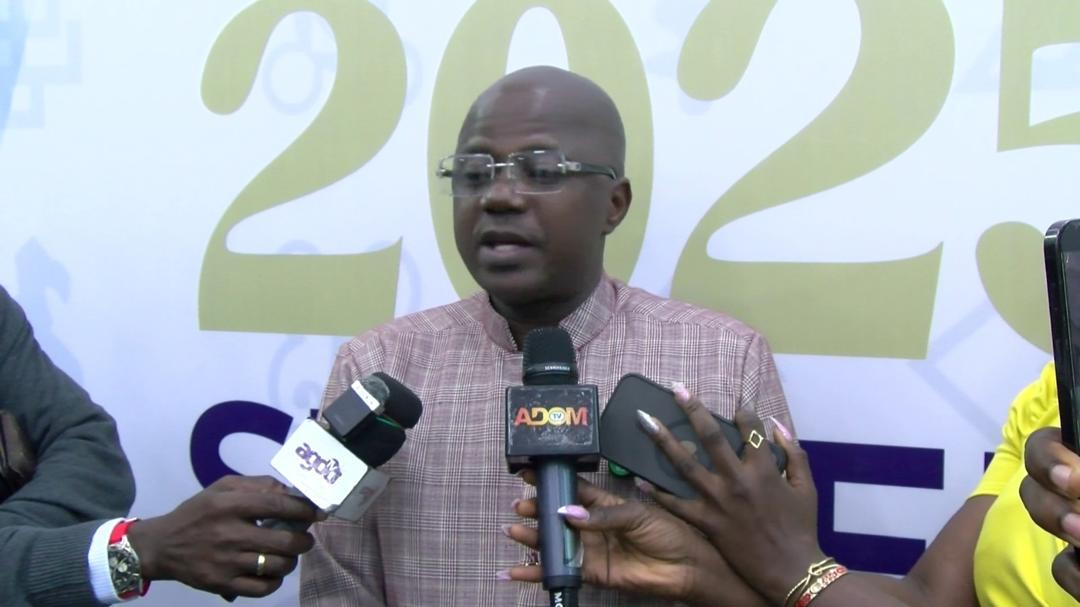
Professor George Agyei, GSA Director-General, stated these delays are severe. They prevent the Authority from procuring essential equipment. Many of the GSA's testing machines are old and need urgent replacement. Procurement processes have stalled because the necessary authorisations are pending.
This issue fits into a broader pattern of public sector financial management challenges in Ghana. Government agencies often face bureaucratic hurdles in accessing approved funds. Such delays can hamper service delivery and economic development. Ghana's public financial management reforms aim to streamline these processes, but implementation remains a challenge.
“Most of the delays in sample testing we experience are because of commitment authorization delays,” Professor Agyei explained. He added, “Over GHS 60 million could not be exhausted because of clearance issues.” He stressed that GSA laboratories must meet international standards. Regular inspections and audits require modern, reliable equipment for certification.
Failure to meet these standards could have serious economic consequences. Ghana's ability to export products to international markets depends on GSA certification. If the Authority loses its accreditation, Ghanaian goods might be blocked from foreign markets. This would hurt local businesses and the national economy. The Ministry of Finance's swift action is critical to prevent such an outcome.
The GSA's financial health is otherwise robust, recording a GHS 29 million surplus. This surplus reflects the Authority's resilience despite operational challenges. However, the unutilised funds highlight a systemic issue. It shows a disconnect between budget allocation and actual expenditure. This problem affects many government institutions.
The GSA is also starting to calibrate weighing scales for gold traders. This initiative aims to ensure accuracy in the gold trade. It will prevent traders from being shortchanged. This move underscores the GSA's commitment to fair trade practices. It also shows its role in protecting consumers and businesses.
The Ministry of Finance must now accelerate its authorisation process. This will enable the GSA to acquire vital equipment. Timely approvals are essential for the GSA to fulfil its mandate. This includes safeguarding Ghana's trade interests and maintaining product quality. The nation's export future depends on it.