Ghana’s State-Owned Enterprises (SOEs) are projected to achieve a combined net profit of GHS 19.8 billion in 2025. This represents a significant financial turnaround from a GHS 2.25 billion net loss recorded in 2024. The government highlights this as a major improvement in the financial performance of these key state entities.
This anticipated profit follows four consecutive years of losses for SOEs. The shift is attributed to better financial management and operational strategies implemented across these state-owned businesses. The positive outlook for 2025 indicates a potential strengthening of Ghana's public sector finances.
This financial recovery aligns with broader government efforts to improve the efficiency and profitability of state assets. Historically, SOEs have often been a drain on public resources, requiring significant government subsidies. This projected profit could reduce the fiscal burden and free up funds for other development projects. The State Interests and Governance Authority (SIGA) plays a crucial role in overseeing these entities.
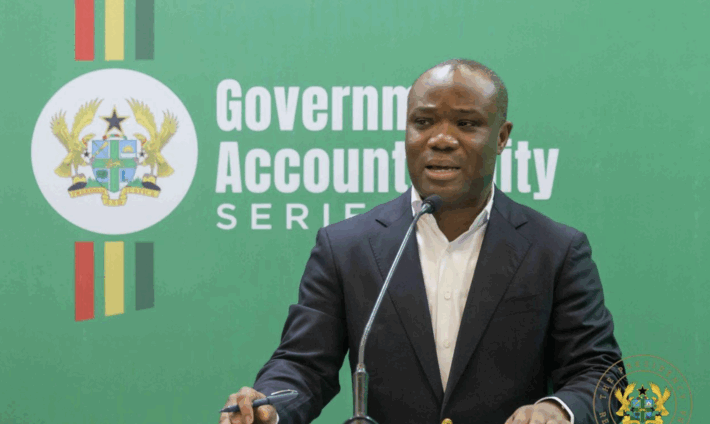
Felix Kwakye Ofosu, Minister of State for Government Communications, confirmed these figures. He cited data from the State Interests and Governance Authority (SIGA) as the basis for these projections. Mr. Kwakye Ofosu emphasized the substantial increase in revenue as further evidence of this improvement. He stated, “In 2025, they recorded a net profit of GHS 19.8 billion.”
The implications of this financial rebound are far-reaching for Ghana’s economy. A profitable SOE sector can contribute directly to the national budget through dividends and taxes. This reduces reliance on external borrowing and strengthens the country's fiscal position. Investors and credit rating agencies will closely monitor these developments.
Total revenue generated by SOEs is also expected to see a substantial increase. Revenues are projected to reach GHS 176.43 billion in 2025. This compares to GHS 137.64 billion in 2024, marking a 28.12 percent increase. This revenue growth indicates stronger market performance and improved operational capacity.
The government's focus on SOE reform has been a consistent policy objective. This includes measures to enhance corporate governance and accountability. The goal is to transform these entities into self-sustaining and profitable ventures. Such reforms are vital for long-term economic stability and growth.
This positive financial trajectory could also impact employment within the SOE sector. Profitable enterprises are more likely to invest in expansion and job creation. This would provide a boost to the national labor market. The government will likely use these figures to demonstrate the effectiveness of its economic policies.
The turnaround from a GHS 2.25 billion loss to a GHS 19.8 billion profit represents a GHS 22.05 billion swing. This dramatic change underscores the potential for significant improvements in public sector management. Future reports from SIGA will be critical in confirming these projected gains. Ghana's economic future depends on the sustained performance of these vital state assets.