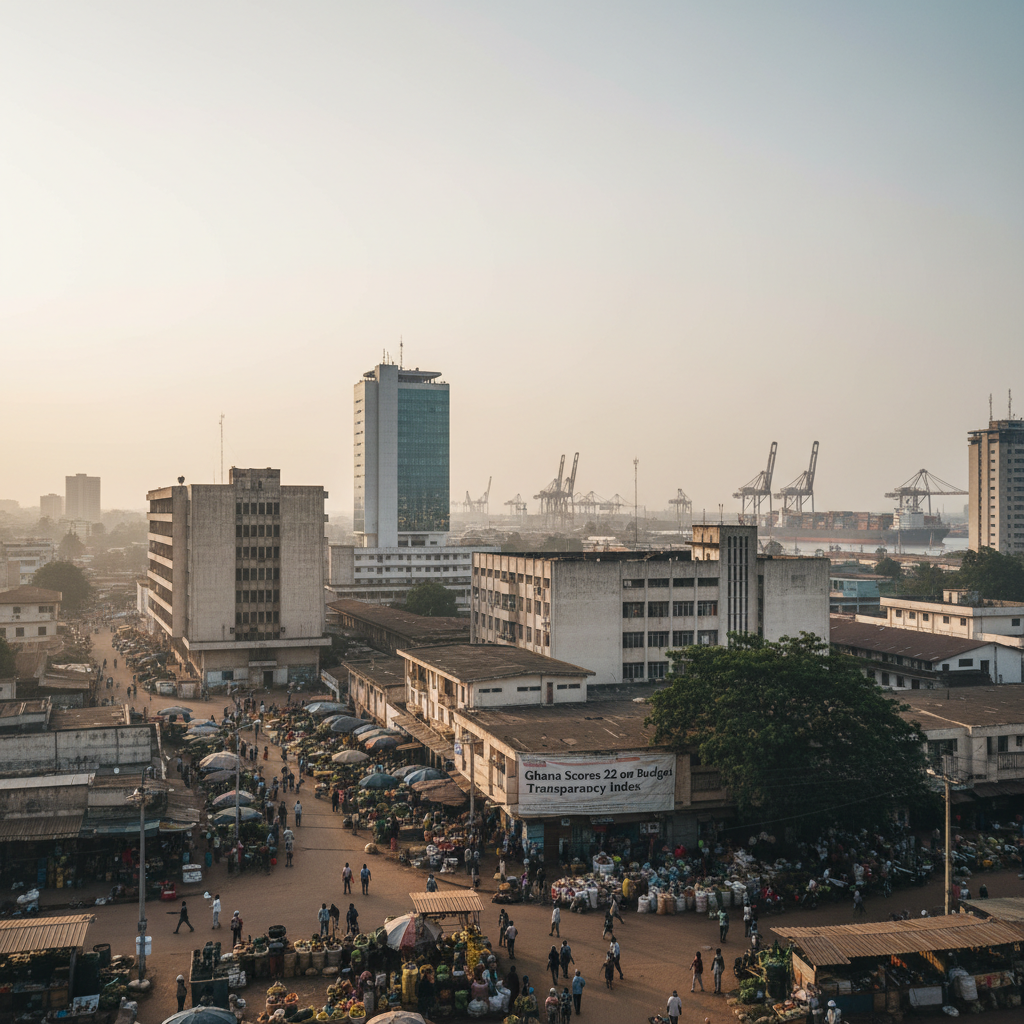
Ghana scored 22 out of 100 on the latest Open Budget Survey (OBS), signaling a significant decline in budget transparency. This low score ranks Ghana among the lowest-performing countries out of 82 nations assessed globally.
SEND Ghana released the survey findings at a stakeholder event in Accra on June 24, 2026. The poor performance is largely due to the limited and delayed publication of key budget documents. This lack of timely information hinders meaningful public participation and effective accountability in managing state resources.
This low transparency score fits into a broader narrative of public finance scrutiny in Ghana. Previous concerns about government spending and fiscal management have often highlighted the need for more accessible financial data. The Public Financial Management Act (PFM Act) and the Constitution already mandate certain levels of transparency. However, the survey suggests these legal frameworks are not always fully implemented in practice. Ghana's performance indicates ongoing challenges in ensuring citizens can properly monitor government financial decisions.
Harriet Nuamah Agyemang, Country Director of SEND Ghana, explained the root cause. She stated, "If we are not publishing on time and the content is limited, it means that we are not providing adequate information to citizens to enable them to be equipped to engage with their authorities." She emphasized that timely access to budget information is crucial for informed public engagement and accountability.
This result has significant implications for public trust and effective governance. Decision-makers and the public will be watching for governmental responses to improve transparency. Without better access to budget details, citizens cannot effectively scrutinize spending or hold officials accountable. Improved transparency could strengthen public confidence and foster more efficient use of public funds.
Dr. Stephen Amoah, Deputy Ranking Member of Parliament's Finance Committee, called the findings a "wake-up call." He acknowledged the need for significant improvements in public participation, stating, "a lot of work needs to be done there." He also urged a careful review of the assessment criteria to fully understand the report's implications for Ghana's financial management.
Advocates believe this survey should prompt immediate action from government and legislative bodies. Strengthening disclosure practices and enhancing citizen engagement in budget processes are critical. These steps are necessary to ensure public resources are managed in a transparent, inclusive, and accountable manner. Better transparency is essential for national development decisions.
The Open Budget Survey is a globally recognized assessment of budget transparency and accountability. It evaluates how governments make budget documents publicly available. It also measures opportunities for citizen engagement in the budget process. Ghana's score highlights a need for immediate and sustained reform.