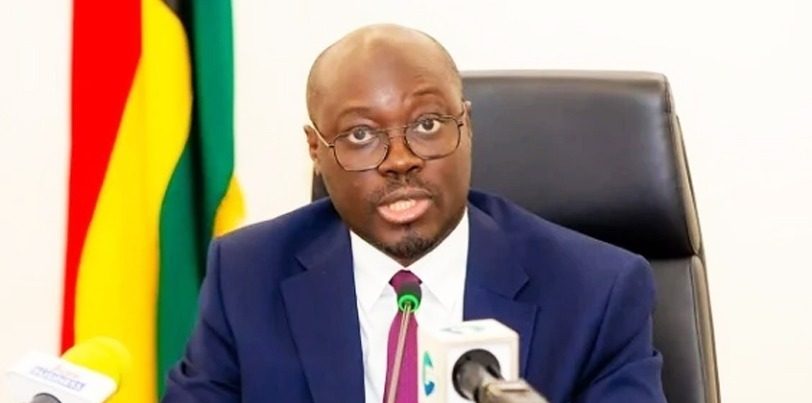
Ghana now allocates less than 20% of its national revenue to service public debt. Finance Minister Dr. Cassiel Ato Forson confirmed this significant reduction, highlighting a major improvement in the nation's fiscal health.
This marks a dramatic decrease from previous years when Ghana spent more than 50% of its national revenue on debt servicing. The prior situation severely limited funds available for essential sectors, including education, healthcare, and infrastructure development. The current reduction creates crucial fiscal space, allowing the government to channel more resources into vital public services and development projects.
This positive development aligns with Ghana's ongoing efforts to restore debt sustainability and improve its overall fiscal position. The government has been implementing various measures aimed at enhancing revenue collection and managing expenditures more efficiently. This strategic shift is critical for the nation's economic stability and long-term growth prospects. It also demonstrates progress in managing the country's financial obligations responsibly.
Dr. Ato Forson stated, “In the past, Ghana spent over 50 percent of its national revenue on servicing debt. This left less money for schools, hospitals, roads and other essential infrastructure.” He added, “Today, I am proud to say that we have made significant progress. We now spend less than 20 percent of our revenue on servicing debt!” This statement, shared via a social media post on Saturday, August 22, underscores the government's commitment to fiscal prudence.
The improved debt-service burden is expected to have several positive implications for Ghana's economy. It provides the government with greater flexibility to finance priority development programs without compromising fiscal discipline. This could lead to increased investment in key sectors, potentially boosting economic growth and job creation. Decision-makers and financial markets will closely monitor how these newly freed resources are deployed.
Furthermore, this reduction could enhance investor confidence in Ghana's economic management. A lower debt-to-revenue ratio signals a more stable financial environment, potentially attracting more foreign direct investment. It also strengthens the government's ability to respond to unforeseen economic shocks. The shift from over 50% to under 20% represents a substantial rebalancing of national priorities. This allows for a more proactive approach to national development planning. The government's focus can now shift more towards capital expenditure rather than merely servicing past debts. This re-prioritization is fundamental for sustainable economic progress and improving the living standards of Ghanaians. The ongoing commitment to fiscal discipline will be crucial for maintaining this positive trajectory. Continued monitoring of revenue generation and expenditure control will ensure these gains are sustained over time.