The Ghana School Feeding Programme has secured a GHS 1.982 billion allocation for the year 2026. This substantial funding aims to provide daily meals to more than 4.5 million children across the country. The allocation underscores the government's ongoing commitment to social protection initiatives.
This 2026 allocation represents a notable increase from the GHS 1.788 billion provided in 2025. In 2025, the programme covered approximately 4.23 million pupils. The per-meal grant, which was GHS 1.50 in 2024, increased to GHS 2 in 2025 and remains at that level for 2026. This consistent per-meal rate supports caterers in providing nutritious food.
The expansion of the School Feeding Programme fits into Ghana's broader economic strategy to enhance human capital. Investing in child nutrition directly impacts educational outcomes and future productivity. Improved attendance and concentration in schools can lead to a more skilled workforce. This initiative also provides economic opportunities for local food suppliers and caterers, stimulating local economies.
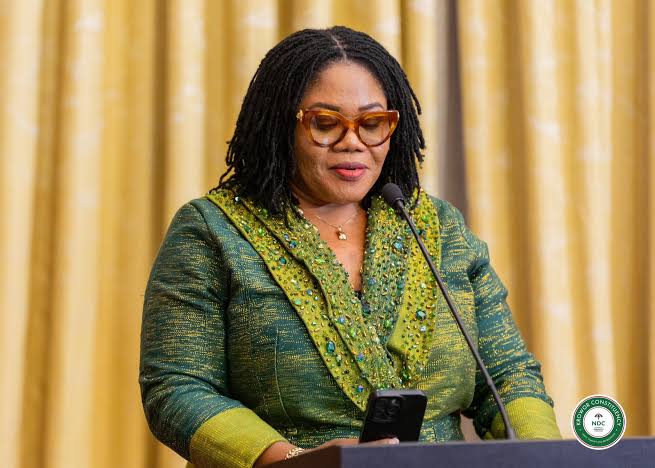
Dr. Agnes Naa Momo Lartey, the Minister for Gender, Children and Social Protection, confirmed these figures during the Government Accountability Series. She highlighted the programme's role in strengthening social protection. Dr. Lartey also stated that the government has cleared all outstanding arrears owed to caterers from 2024. Payments for the first and second terms of the 2025/2026 academic year have also been completed.
The Ministry has intensified its monitoring efforts to ensure compliance and improve service delivery. The number of schools monitored increased significantly from 4,419 in 2025 to 8,270 in 2026. Furthermore, 20,171 caterers and head cooks have received training in practical nutrition standards. This training aims to enhance the quality of meals served to pupils, ensuring children receive balanced diets.
This continued investment in the School Feeding Programme signals the government's priority for child welfare and education. Decision-makers will monitor the programme's effectiveness in improving school enrollment and retention rates. The financial markets will observe how such large social spending impacts the national budget and fiscal stability. The programme's success is crucial for Ghana's long-term development goals.
The programme serves as a visible example of social intervention, supporting families nationwide. Its expansion reflects a strategic effort to address food insecurity among school-aged children. This initiative also aims to reduce the financial burden on parents, especially in vulnerable communities. The government's commitment to clearing arrears also builds trust with caterers, ensuring consistent service provision.
The increase in allocation and coverage demonstrates a clear policy direction towards inclusive growth. This growth strategy focuses on foundational investments in health and education. Future evaluations will assess the programme's impact on public health indicators and academic performance. Stakeholders will also watch for sustained funding and efficient management of resources. The programme's continued success is vital for Ghana's social fabric and economic future.