Ghana has saved GHS 4.2 billion in interest costs during the first half of 2026. This significant fiscal achievement is a direct result of improved debt management strategies and declining borrowing costs.
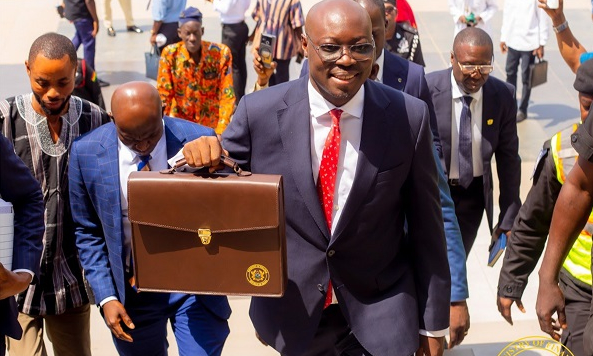
Finance Minister Dr. Cassiel Ato Forson announced these savings while presenting the 2026 Mid-Year Budget Review in Parliament. He stated that the reduction reflects the government's disciplined fiscal management and a renewed confidence in Ghana's economic stability. The decline in treasury rates has allowed the government to borrow at lower costs, easing pressure on public finances.
This development is crucial for Ghana's broader economic narrative, which has been focused on recovery and fiscal consolidation. The country has been working to restore investor confidence and manage its substantial public debt. These savings indicate progress in reducing the cost of servicing that debt, a key component of the national budget.
Dr. Forson emphasized that the government is borrowing less, which directly contributed to the GHS 4.2 billion savings in just six months. He also noted that the fall in treasury rates is positively impacting the banking sector. Lower lending rates are making credit more accessible and affordable for households, entrepreneurs, and businesses, encouraging investment and expansion.
The improved economic outlook has also gained recognition from international investors. Ghana's Eurobond yields have fallen by approximately 300 basis points since the beginning of the year. This reduction signals a clear vote of confidence in Ghana's ongoing economic reforms and its prudent debt management practices. The country is moving from a state of debt distress to one of renewed credibility in global financial markets.
The implications of these savings are far-reaching. Reduced interest payments free up funds that can be reallocated to critical sectors like infrastructure, healthcare, or education. This fiscal space is vital for sustainable economic growth and development. It also strengthens Ghana's position in attracting further foreign direct investment.
The Finance Minister reiterated the government's commitment to maintaining fiscal discipline. This includes honouring all debt obligations on time and sustaining reforms aimed at strengthening macroeconomic stability. Decision-makers and markets will closely watch for continued adherence to these principles. The ability to sustain these savings and further reduce borrowing costs will be a key indicator of Ghana's long-term economic health.
The government's focus remains on supporting long-term economic growth through these sustained reforms. This positive trend in debt management could lead to further credit rating upgrades, making future borrowing even more affordable. The next budget cycle will provide further insights into how these savings are utilized and their broader impact on the national economy.