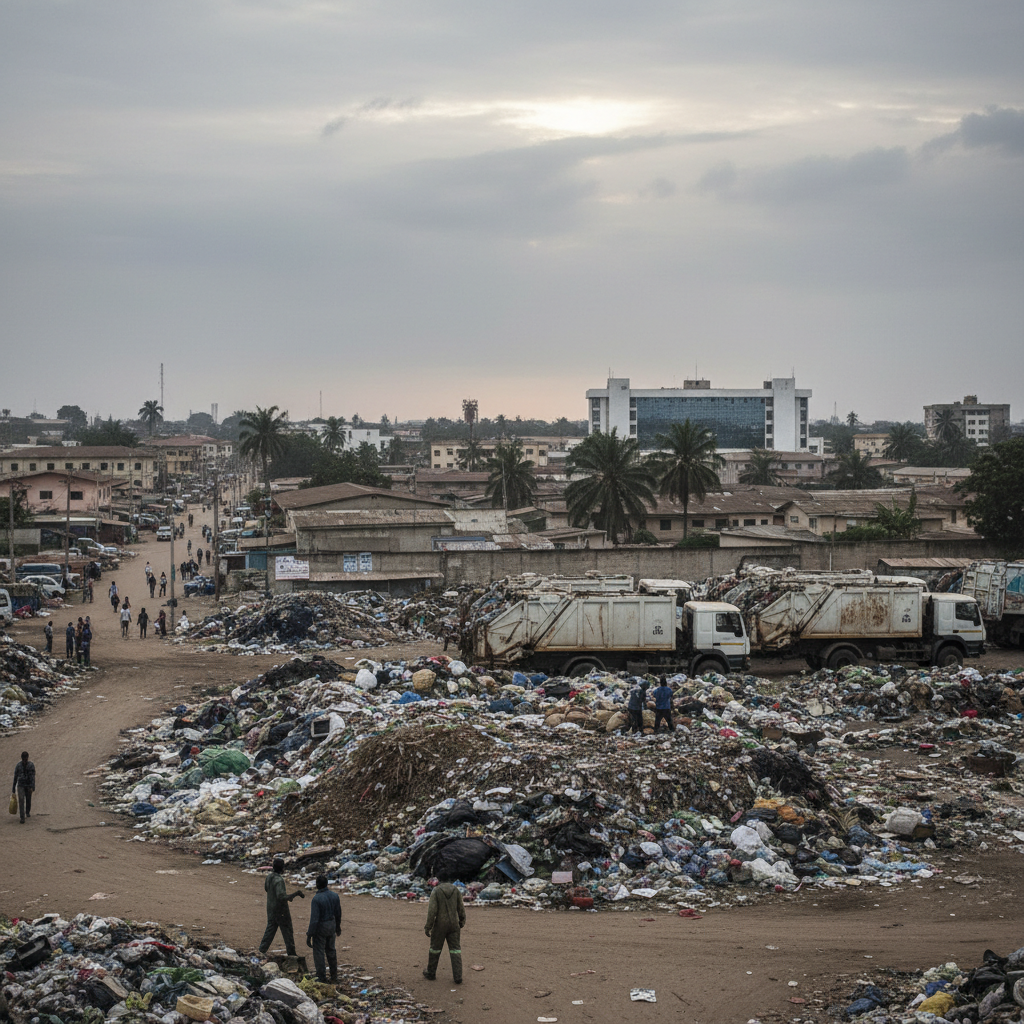
Ghana urgently requires increased investment in its sanitation and waste management sector to combat a growing waste crisis. Environmental engineer Dr. Juliet Ohemeng-Ntiamoah stated that inadequate financing, rather than solely public indiscipline, is the core issue.
Dr. Ohemeng-Ntiamoah emphasized that sanitation is an expensive but essential service. Chronic underfunding has led to widespread waste management challenges across the country. These challenges include insufficient recycling, poor waste segregation practices, and severely overstretched landfill facilities.
This situation directly impacts public health and economic productivity. A 2023 study by the Institute of Statistical, Social and Economic Research (ISSER) revealed that Ghana loses over GHS 6.2 billion annually due to poor sanitation. Flooding, exacerbated by indiscriminate waste disposal, is a major contributor to these economic losses. Floods disrupt businesses, destroy property, and strain public health services.
Dr. Juliet Ohemeng-Ntiamoah, speaking on Joy FM's Super Morning Show on Wednesday, July 8, said, "We cannot treat sanitation as a low-priority, less-financed area and then, at the same time, expect us to see cleaner spaces." She added that the problems extend beyond simple waste collection. The lack of proper post-collection waste processing is a significant concern. The country's landfills are nearing capacity, causing some waste collectors to resort to illegal dumping.
The government must elevate waste management to a national development priority. This means allocating substantial funds and developing a comprehensive national strategy. Decision-makers should consider the long-term economic and health benefits of investing in modern waste infrastructure. This includes creating properly engineered landfill facilities. These facilities could safely manage waste and even generate renewable energy through methane capture. Such investments would foster a cleaner environment, reduce public health risks, and create new economic opportunities in resource recovery.
Addressing the waste crisis will require a multi-faceted approach. This includes public education campaigns about waste sorting and recycling. Regulatory bodies must also enforce existing sanitation laws more stringently. Local assemblies, often at the frontline of waste management, need greater resources and technical support. The private sector can play a vital role through partnerships and innovative waste management solutions. Without these concerted efforts, Ghana's waste crisis will continue to worsen, impacting its economic stability and public welfare.
The issue of sanitation investment also ties into broader discussions about urban planning and infrastructure development. Rapid urbanization often outpaces the development of essential services like waste management. This gap leads to environmental degradation and health crises in urban centers. Effective policies must ensure that infrastructure development, including sanitation, keeps pace with population growth. This proactive approach will prevent future crises and build resilient communities across Ghana.