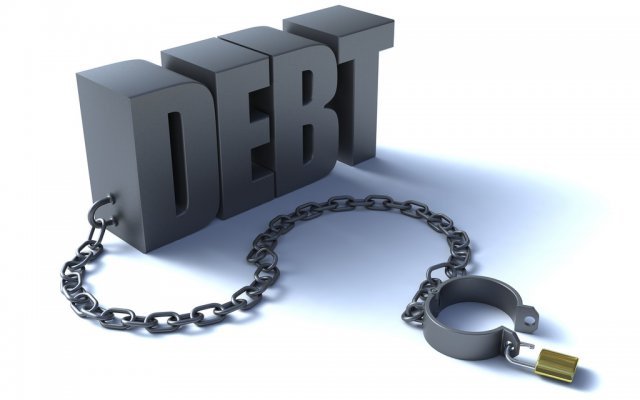
Economist Professor Godfred Bokpin has warned that Ghana risks repeating past debt management errors. He stated this could happen if the government mismanages the fiscal space created by recent debt restructuring and expenditure controls. This warning highlights a critical challenge for Ghana's economic stability.
Professor Bokpin noted Ghana is almost at the same economic stage it reached in 2006. That year, the country completed the Heavily Indebted Poor Countries (HIPC) programme and received significant debt relief. He stressed that the current improvement in Ghana’s debt position must build a stronger, sustainable economy. It should not justify increased spending and borrowing.
Ghana completed the HIPC programme in 2004. It also finished the Multilateral Debt Relief Initiative in 2006. These efforts reduced Ghana’s debt-to-GDP ratio to below 30 percent. This significant reduction eased debt-servicing pressures. It also gave the government greater fiscal space to fund economic activities. This period marked a crucial turning point for the nation's finances.
Professor Bokpin explained that this improved fiscal position led Ghana to seek independence from the International Monetary Fund (IMF). This occurred under former President John Agyekum Kufuor in 2006. Ghana believed it had enough fiscal room to finance growth. It also thought it could access international capital markets without IMF oversight. The IMF approved this arrangement, allowing Ghana to issue its first Eurobond in 2007.
However, the fiscal space created by HIPC-related debt relief was not sustained. Professor Bokpin warned that Ghana could repeat this pattern if current gains are not managed carefully. He observed that the fiscal space celebrated in 2006 was dissipated within three years. This led to Ghana returning to the IMF in 2009 due to a deteriorating fiscal position. The country made a quick U-turn, seeking IMF assistance again.
Professor Bokpin urged the government to use the current fiscal improvement to strengthen economic management systems. This will prevent another cycle of excessive borrowing and debt accumulation. He emphasized the need for prudent spending and efficient resource allocation. Investing in the economy's cash flow generating capacity is also crucial. The lessons from the post-HIPC period must guide current economic policy decisions. Failure to learn from history could lead to similar financial difficulties. This makes careful fiscal planning essential for Ghana's future.