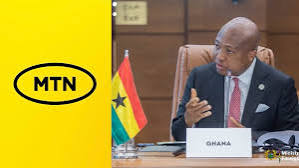
Ghana's government has declined a GHS 20 million donation from MTN Ghana. This offer was intended to support Ghanaian victims of recent xenophobic attacks in South Africa. The Ministry of Foreign Affairs announced this decision on August 26, 2026.
The government stated it has already provided public resources to finance evacuations and reintegration efforts for affected citizens. This decision places the full financial burden of Ghana’s humanitarian response squarely on the state. It also sparks a broader discussion about when governments should accept private-sector support for emergencies.
This move fits into Ghana's ongoing economic narrative of fiscal responsibility and public finance management. The government's commitment to transparency regarding public expenditure is crucial. Previous administrations have faced scrutiny over the use of state funds for various interventions. This decision sets a precedent for how the state handles large-scale humanitarian costs. It also impacts the relationship between government and major corporate entities like MTN Ghana.
The Ministry of Foreign Affairs confirmed it had become aware of media reports regarding MTN Ghana's intended donation. These reports attributed the offer to comments made by MTN Ghana Board Chairman Dr. Ishmael Yamson. While commending the offer, the Ministry respectfully declined it. The government's position was communicated directly to MTN Ghana's Board Chairman and Chief Executive Officer on August 14, 2026. This occurred during a meeting with Foreign Affairs Minister Samuel Okudzeto Ablakwa.
This rejection carries significant implications for public finance and accountability. Humanitarian evacuations involve substantial costs, including transportation, temporary accommodation, and reintegration support. By declining private funding, the government is accepting full responsibility for these expenses from public resources. The Ministry reinforced its commitment to ongoing humanitarian evacuations and financial support for every Ghanaian brought home. This assurance places increased emphasis on the eventual cost of the operation. It also highlights how these resources will be accounted for.
The Ministry promised to publish a comprehensive account of the total expenditure once the evacuation exercise concludes. This commitment to transparency is a critical element of the government's decision. Rejecting a GHS 20 million private-sector contribution inevitably raises questions about the scale of public expenditure. It also prompts inquiries into the source of funds and the efficiency of the state’s financing approach. The promise to disclose total costs creates a clear accountability benchmark. It allows taxpayers and stakeholders to assess the financial implications of relying solely on public funding.
This episode also touches on the role of large companies in national emergencies. MTN Ghana is one of the country’s largest corporate entities. Corporate donations often form part of private-sector responses to disasters and humanitarian crises. Such interventions can ease pressure on public finances. They also allow companies to demonstrate social responsibility. However, accepting large corporate donations can also raise questions. These questions concern the appropriate relationship between government and major private-sector actors. This is especially true where companies operate in heavily regulated industries. The Foreign Affairs Ministry did not cite such concerns. Its stated reason was simply that adequate financial provision had already been made for the evacuation and reintegration programme. This distinction is important for understanding the government's policy position.