Ghana has ruled out returning to the international Eurobond market for the next few years. This decision marks a significant change in the government's borrowing strategy. The aim is to rebuild the domestic bond market and avoid risks from foreign-currency debt.
Dr. Theo Acheampong, Technical Advisor at the Ministry of Finance, confirmed this stance. He stated the government has no immediate plans for Eurobond issuance. This is true even with better economic conditions and renewed investor interest in Ghanaian debt. The government plans to rely more on local financing. It also wants to restore confidence in longer-term government securities.
This position breaks from Ghana's past financing methods. Before the 2022 debt crisis, international capital markets were a major funding source. Eurobonds offered large capital pools and longer repayment periods. However, they also increased Ghana's exposure to foreign exchange risks. The cedi's sharp depreciation made dollar-denominated debts much more expensive. This led to a rapid decline in the country's ability to pay its debts.
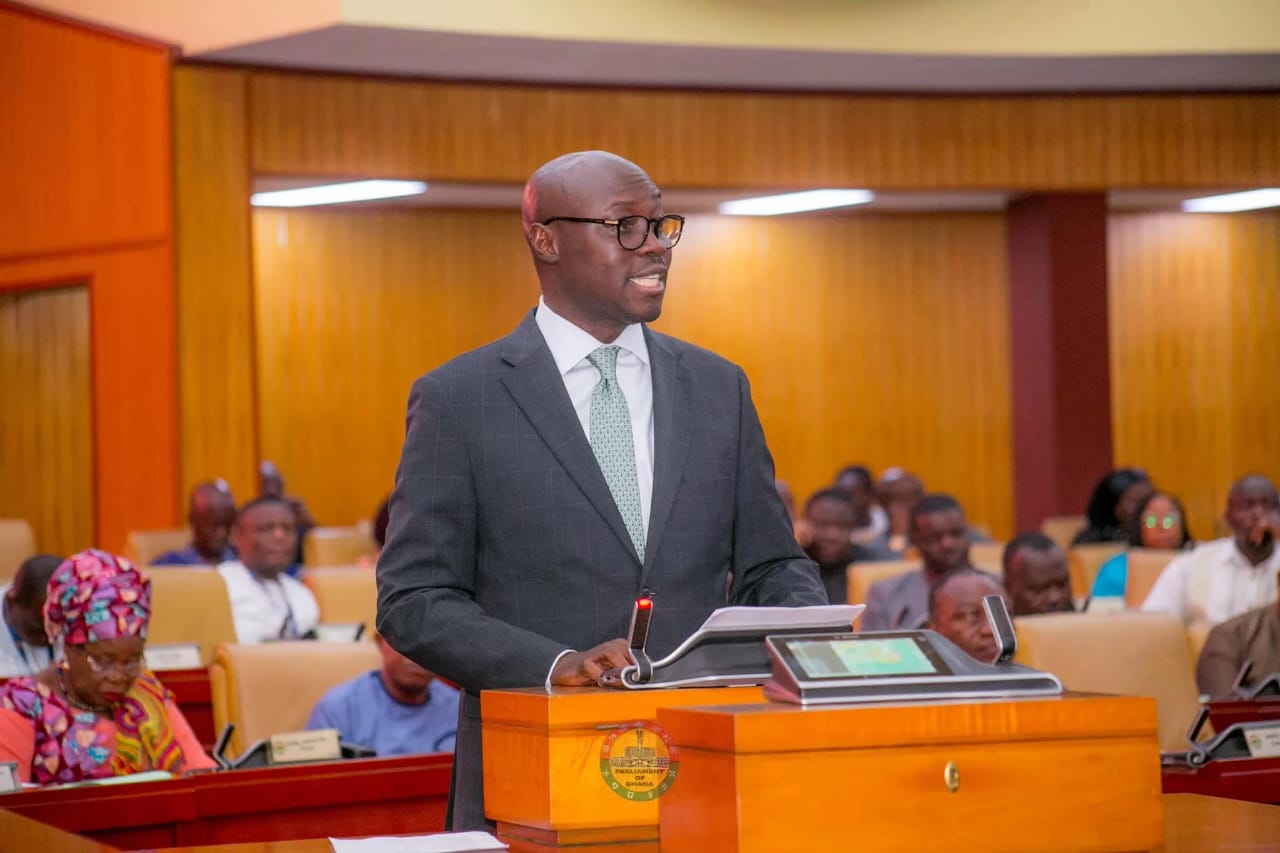
Finance Minister Dr. Cassiel Ato Forson reinforced this strategy during the 2026 Mid-Year Budget Review. He noted that while markets are now inviting Ghana, the country is not rushing back. Ghana's Eurobond yields have fallen by about 300 basis points since early 2026. This shows stronger investor confidence. Improvements in inflation, fiscal performance, and foreign exchange reserves have contributed to this. The market's reaction is a vote of confidence in Ghana's economy and reforms.
The government's restraint is notable because it has made progress with external creditors. In July, Ghana settled US$700 million in Eurobond obligations early. This included US$525.20 million in principal and US$174.80 million in interest. Total payments to Eurobond holders since January 2025 reached about US$2.10 billion. Despite this progress, policymakers are focusing on strengthening Ghana's domestic yield curve.
Restrictions on new domestic bond issuance, after the Domestic Debt Exchange Programme, have ended. This allows the government to issue longer-term cedi-denominated bonds again. Domestic government bond issuance restarted in April. Before this, the Treasury relied heavily on short-term Treasury bills. This created high refinancing risk, as large debts needed frequent rollover. Longer-dated domestic bonds help spread repayments over many years. They also re-establish benchmark securities needed for a healthy local debt market.
Dr. Acheampong indicated that the government will increase domestic bond issuance. It will also maintain fiscal credibility. Authorities are exploring infrastructure bonds. These bonds can attract long-term capital from institutional investors. Pension funds, for example, could finance roads, energy, and transport projects. This offers an important alternative to borrowing in foreign currencies. Pension funds hold growing pools of long-term savings. These funds can be directed towards productive projects within Ghana. This strategy aims to build a more resilient and self-reliant financial system for the nation.