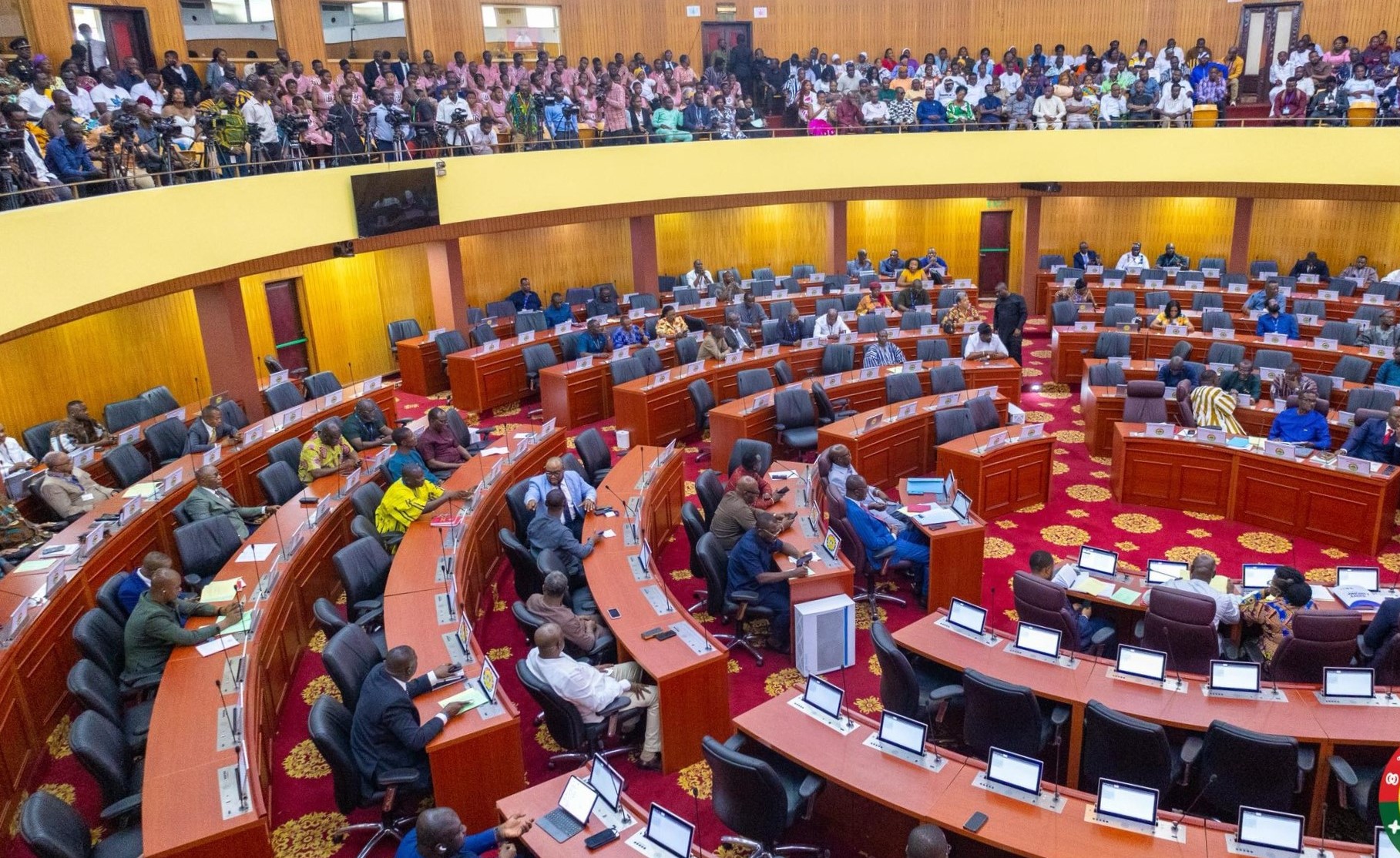
Ghana's Ninth Parliament concluded its Second Meeting on July 31, 2026, after 37 sittings, passing 12 Bills and engaging in extensive economic debates. The legislative body also processed 173 parliamentary questions and approved several crucial financial agreements.
This parliamentary session was marked by significant legislative activity, including the passage of key economic bills. Members of Parliament (MPs) scrutinized the government's financial plans and revenue projections during the Mid-Year Review of the 2026 Budget Statement. This review is vital for understanding Ghana's economic health and future policy direction.
The Parliament's focus on economic matters aligns with Ghana's ongoing efforts to stabilize its economy and attract investment. Debates on the 2026 Budget Review, presented by Finance Minister Dr. Cassiel Ato Baah Forson, provided a platform for MPs to assess government spending and revenue strategies. This oversight function is critical for public accountability and fiscal discipline, especially as Ghana navigates global economic uncertainties.
Speaker Alban Sumana Kingsford Bagbin urged MPs to fully participate in their legislative and oversight duties at the meeting's start. This call for diligence was echoed by Majority Leader Mahama Ayariga and Minority Leader Alexander Kwamena Afenyo-Markin at the close. Their statements underscore the importance of parliamentary engagement in shaping national policy and economic outcomes.
The passage of 12 Bills, including the Income Tax (Amendment), Value Added Tax (Amendment), and Excise Bills, 2026, will directly impact Ghana's revenue generation. These amendments are expected to refine the tax system, potentially increasing government income for public services and infrastructure projects. The Ghana Investment Promotion Authority Bill, 2025, also passed, aims to enhance the country's attractiveness for foreign and domestic investment.
Beyond taxation, Parliament approved the Ghana Cocoa Board Bill, 2026, and the Energy Sector Levies (Amendment) Bill, 2026. The Cocoa Board Bill seeks to strengthen the regulatory framework for Ghana's vital cocoa industry, a major foreign exchange earner. The Energy Sector Levies amendment could influence energy prices and government revenue from the sector, affecting both businesses and households.
The House also adopted resolutions for three Credit Facility Agreements, 12 Bilateral Agreements, and three Power Purchase Agreements. These agreements are crucial for funding development projects, fostering international cooperation, and securing Ghana's energy supply. Such approvals demonstrate Parliament's role in facilitating economic growth and strategic partnerships.
Furthermore, Parliament approved six Mining Leases and a Public-Private Partnership Concession Agreement. These approvals are significant for the mining sector, a key contributor to Ghana's Gross Domestic Product (GDP), and for attracting private sector investment into public infrastructure. The careful consideration of these agreements is essential to ensure sustainable development and equitable resource management.
Seven Legislative Instruments also came into force, including the Road Traffic Regulations, 2026, and the National Identity Register (Amendment) Regulations, 2026. These regulations provide the detailed rules for implementing laws, affecting daily life and administrative processes for citizens and businesses. Their timely enactment ensures legal clarity and effective governance.
The upcoming Third Meeting faces a substantial workload, with 340 Audit Committee Reports and 26 Auditor-General’s Reports pending review. This indicates a continued focus on accountability and financial oversight, which is paramount for maintaining public trust and ensuring efficient use of state resources. The diligent review of these reports will be critical for identifying and addressing any financial irregularities.