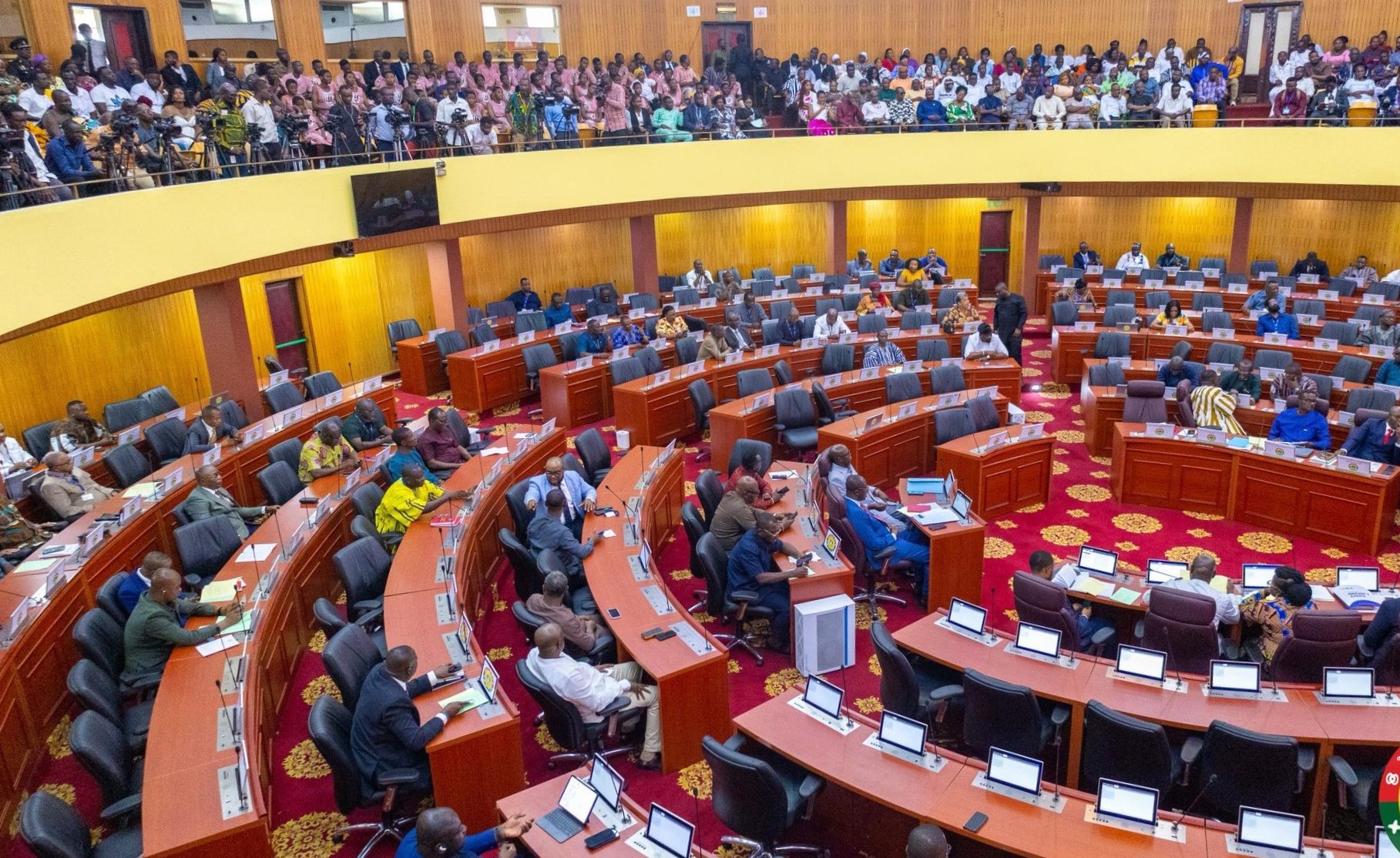
Ghana's Parliament has approved the renewal of the headlease for Regina House in London. The deal ensures the property will remain under Ghana's control for another 150 years. This renewal costs the Government of Ghana £17.25 million.
This crucial approval allows the Ghana International Bank (GHIB) to continue operating from its long-standing London location. Regina House has housed GHIB and other tenants for nearly a century. The original lease, acquired in 1937, was set to expire in 2027.
This decision fits into Ghana's broader strategy of maintaining an international financial presence. Ghana seeks to deepen its global financial services capabilities. The property is considered a strategic asset for the nation abroad.
Deputy Minister of Finance, Mr. Thomas Nyarko Ampem, spoke on the floor of Parliament. He stated that Regina House, located in a prime London area, represents Ghana's face abroad. Mr. Ampem highlighted the property's significance.
The renewal has significant long-term financial implications for Ghana. Rental income from other tenants in Regina House currently brings in £1.4 million annually. This revenue stream is projected to offset the £17.25 million cost of the lease renewal within 12 and a half years.
Any accumulated rental income after recovering the lease cost will fund future investments. The government plans to acquire other strategic properties in the United Kingdom. This demonstrates a proactive approach to managing Ghana's overseas assets.
The parliamentary approval adheres to constitutional requirements for international agreements. Article 181(5) of the Constitution mandates such approvals for government-involved international business and economic transactions. This step safeguards Ghana's long-term interests in a key overseas asset.
The continuation of GHIB's operations at Regina House reinforces Ghana's commitment to international financial services. It also ensures a stable institutional footprint in the global financial hub of London. This move supports Ghana's economic aspirations.
Parliament's decision reflects a strategic financial move with long-term benefits. It maintains a valuable asset and generates income. This financial stewardship can support further investments and strengthen Ghana's global standing.