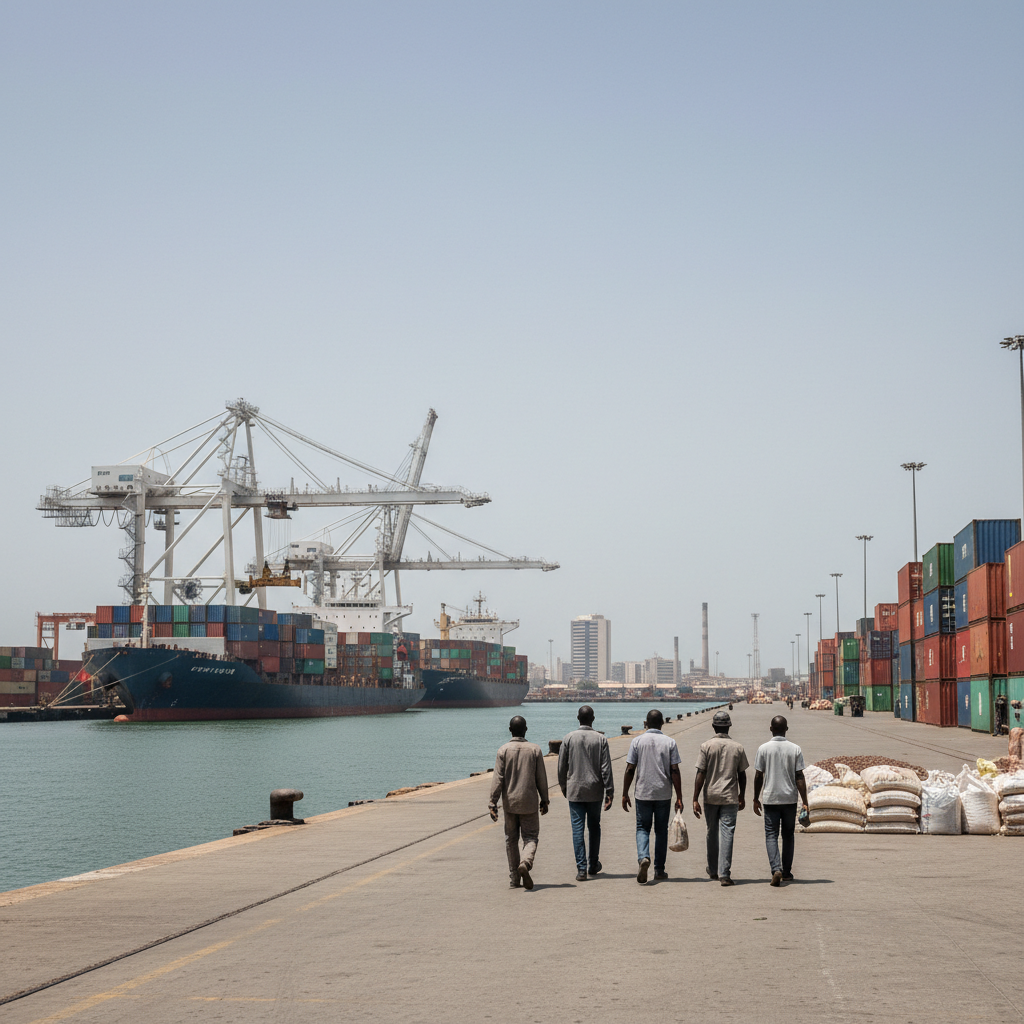
Ghana and several other African nations have resisted signing new health aid agreements. The Trump administration offers these deals, worth hundreds of millions of dollars, to support healthcare and fight disease. However, the agreements carry conditions that have caused resistance from some governments.
These new US aid deals require recipient governments to share responsibility. They must increase their own health spending. The goal is to build long-lasting health systems that can eventually fund themselves. For example, a deal with Kenya involves a US contribution of $1.6 billion, with Kenya pledging $850 million over five years.
This approach marks a major shift in how the US provides foreign aid. The Trump administration dissolved USAID, the main US body for foreign assistance, last year. The new strategy moves away from global cooperation through bodies like the World Health Organization (WHO). It favors direct agreements with individual governments. These agreements are tied to US strategic and commercial interests.
US Secretary of State Marco Rubio explained the new approach. He said US aid would not just go to Non-Governmental Organizations (NGOs). Instead, the US wants to help countries build their own capacity for healthcare. "Our aid to those countries will not just be dollars distributed to an NGO who then will go into the country and impose programmes," Rubio stated last month. This new model aims to avoid creating dependency that the US associates with traditional aid.
The implications of this shift are significant for African nations. While 32 countries have accepted these health Memorandums of Understanding (MOUs), some have concerns. Ghana, Zimbabwe, and Zambia have resisted signing. They cite various reasons for their hesitation.
Zambia's Foreign Minister Mulambo Haimbe criticized efforts to link health funding to US economic interests. He pointed out demands for preferential access to critical minerals. "Our [US] colleagues looked at it from the perspective that [the two deals] must be taken as a package," Haimbe told the BBC. He emphasized that Zambia preferred to discuss deals separately, based on their individual merits. The US State Department confirmed that foreign assistance is now strategic capital. It serves to advance US interests, expecting recipient nations to consider American strategic and commercial priorities.
Other concerns among African nations include US access to health data. This includes patient information and biological resources like pathogens. Such concerns arose in negotiations, leading to alarm bells in some countries. The US also announced it would withdraw all funding for HIV/AIDS programs in South Africa. This decision connects to South Africa's "failure to make demonstrable progress on policy requests." These requests reportedly included the treatment of the white-minority Afrikaner community.
Decision-makers in Ghana and other African nations will need to weigh the benefits of US health aid against the new conditions. These conditions prioritize US economic and strategic objectives. This shift could reshape health funding and international partnerships across the continent. Future agreements will likely reflect a more transactional approach to foreign assistance.