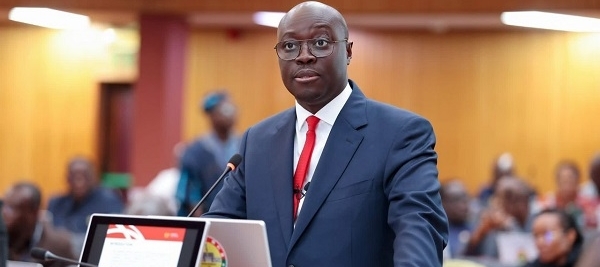
Ghana's Finance Minister, Cassiel Ato Forson, has declared that the nation will not rush to borrow from capital markets, despite receiving invitations. He stated this during the mid-year budget review, emphasizing the government's prudent economic management. This strategic patience indicates a focus on sustainable fiscal practices rather than immediate debt accumulation.
The Minister attributed Ghana's current economic attractiveness to superior management, which has garnered investor confidence. He highlighted a significant drop in the policy rate to 14% in July. This reduction creates a more favorable environment for businesses to expand and for new investments to flow into the country. A lower policy rate typically makes borrowing cheaper for commercial banks, which then pass on these savings to businesses and consumers, stimulating economic activity.
This cautious approach to borrowing fits into Ghana's broader economic narrative of recovery and stabilization. The country has recently navigated significant fiscal challenges, including high debt levels and currency depreciation. The government's decision to hold off on new borrowing suggests a commitment to consolidating recent gains. It also aims to avoid a return to unsustainable debt trajectories that have plagued the economy in the past. This stance is crucial for maintaining investor trust and ensuring long-term economic stability.
Dr. Forson explicitly stated, "The market is inviting us back, but I want to assure you that we are not in a hurry." He further added, "The progress Ghana is recording today did not happen by chance. It is superior economic management." These statements underscore the government's confidence in its current economic policies. They also signal a deliberate strategy to manage Ghana's financial resources responsibly.
Looking ahead, this decision will likely influence market perceptions of Ghana's fiscal discipline. Investors and international financial institutions will closely monitor the government's adherence to this strategy. The implications include potential for continued currency stability and improved credit ratings. A sustained period of fiscal prudence could also lead to lower borrowing costs when Ghana eventually decides to re-enter the capital markets. This measured approach is vital for building a resilient economy capable of withstanding future shocks.
The government's focus on creating room for investors through a lower policy rate is a key element of its growth strategy. This move aims to stimulate domestic investment and attract foreign direct investment. Such investments are critical for job creation and economic diversification. The Finance Minister's remarks suggest a long-term vision for Ghana's economic development. This vision prioritizes stability and sustainable growth over short-term financial injections. The market's response to Ghana's continued fiscal discipline will be a significant indicator of the success of this strategy in the coming months.
Ghana's economic performance in the coming quarters will be crucial in validating this cautious stance. Key indicators such as inflation rates, GDP growth, and the cedi's stability will be closely watched. The government's ability to maintain fiscal discipline without resorting to immediate external borrowing will be a testament to its economic management capabilities. This period of restraint could set a new precedent for Ghana's engagement with global financial markets. It could also strengthen its position as a responsible economic actor in the region.