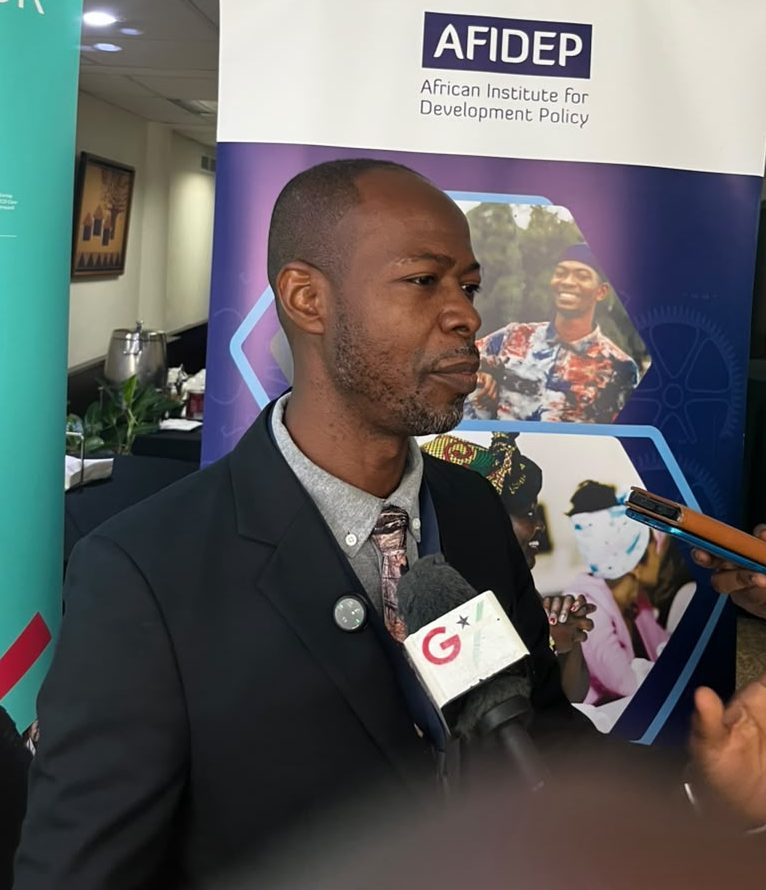
Ghana’s expanding financial commitment to non-communicable diseases (NCDs) requires a critical shift towards prevention, according to VAST Ghana. The civil society organisation warns that current spending heavily favours treatment, risking the long-term effectiveness of health reforms.
Labram Musah, Executive Director of VAST Ghana, stated that government interventions are important. These include the Ghana Medical Trust Fund and the free primary healthcare policy. However, he stressed that their success depends on transparent fund deployment and equal attention to prevention.
This situation fits into Ghana’s broader economic challenge of sustainable healthcare financing. Chronic diseases like cardiovascular conditions, cancers, and diabetes place a significant and growing burden on the national health system. Without a strong preventive approach, the financial strain on households and public funds will continue to escalate.
Mr. Musah highlighted the Ghana Medical Trust Fund’s importance due to existing gaps in the National Health Insurance Scheme. He noted, “The National Health Insurance originally was supposed to take care of matters involving non-communicable diseases in their entirety. But there was a huge gap.” This fund aims to provide relief for those facing high treatment costs for chronic NCDs.
The implications are substantial for Ghana’s public health and economic stability. A continued focus on costly treatment over prevention could lead to unsustainable healthcare expenditures. Decision-makers must ensure allocated funds genuinely reach patients and support a comprehensive care spectrum.
VAST Ghana is closely monitoring the GHS 2.9 billion dedicated to the Ghana Medical Trust Fund. They want to ensure these resources achieve their intended purpose. Similar scrutiny applies to the GHS 1.5 billion earmarked for free primary healthcare.
The organisation argues that large headline allocations alone do not guarantee effective financing. Money must be released, used for intended services, and reflected in measurable improvements for patients. This requires robust oversight and accountability mechanisms.
Mr. Musah emphasised that the emerging NCD response remains too heavily weighted towards diagnosis and treatment. He believes Ghana risks spending increasing amounts managing established diseases. This happens without sufficiently addressing the behavioural and environmental factors that cause chronic illnesses.
He specifically criticised the current focus of free primary healthcare on diagnosis and early detection. Mr. Musah stated, “We feel that the concept of free primary healthcare is supposed to look at prevention and awareness creation.” This highlights a fundamental difference in strategic approach.
VAST Ghana calls for deliberate financing of public education campaigns. These campaigns should target tobacco use, harmful alcohol consumption, sugar-sweetened beverages, unhealthy diets, and physical inactivity. Such measures are crucial for reducing the overall disease burden.
The economic importance of this distinction is clear. NCDs create immediate medical costs and long-term fiscal liabilities. Advanced chronic illnesses demand expensive, recurring treatment. Prevention and early detection can reduce the number of patients needing complex interventions.
Government plans to expand community-level screening could be a vital part of the financing strategy. Wider access to basic checks for blood pressure and diabetes can identify risks earlier. However, screening is most valuable when diagnosed individuals can access affordable treatment, medicines, and follow-up care. This integrated approach is essential for Ghana’s health future.