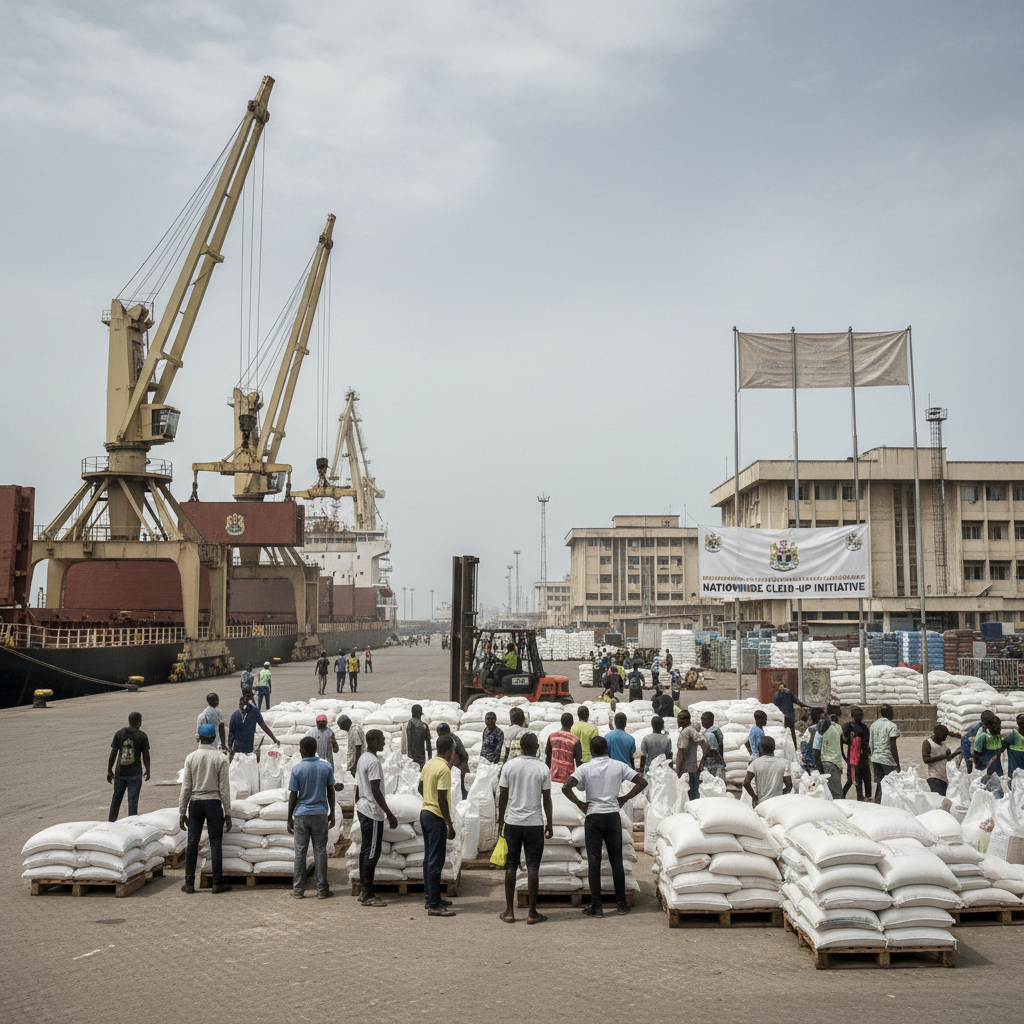
Ghana's nationwide clean-up exercise operates without any government budget allocation. This critical sanitation initiative relies entirely on donations and contributions from private organizations, volunteers, and development partners.
Linda Akweley Ocloo, the Greater Accra Regional Minister, confirmed this arrangement on July 9. She explained that various organizations provide equipment, logistics, and refreshments for the ongoing operation. This collective support model funds all aspects of the clean-up efforts.
This funding model contrasts with traditional government-led public health campaigns. Historically, government agencies would typically allocate funds for such large-scale operations through their annual budgets. The reliance on external support for this major initiative reflects potential fiscal constraints or a strategic shift towards public-private partnerships in public service delivery. The exercise aims to improve environmental cleanliness and reduce flood risks, particularly in the Greater Accra Region.
Ms. Ocloo stated, “There hasn’t been any budget allocated for this exercise as I speak. We are relying on support from volunteers, corporate organisations and development partners who have provided logistics and other resources to ensure the exercise succeeds.” She highlighted that waste management companies, including Zoomlion, have donated equipment. Non-governmental organisations and private firms have also supplied essential logistics.
The lack of dedicated government funding for this nationwide clean-up raises questions about long-term sustainability and scalability. While current support is robust, future exercises might face funding uncertainties without an institutional budget. Decision-makers and market observers will monitor the effectiveness of this volunteer-driven model in achieving its environmental goals. The success or failure of this initiative could influence future government approaches to large-scale public service programs.
Institutions have also provided water and breakfast for volunteers, ensuring their welfare during the intensive cleaning activities. District assemblies are actively coordinating additional support at the local level. This coordinated effort aims to maximize participation and effectiveness. The Minister views this overwhelming support as a demonstration of shared responsibility in addressing Ghana's sanitation issues. This collaborative framework could become a blueprint for future community engagement projects.
Clean-up exercises are vital for environmental health, disease prevention, and urban aesthetics. The reliance on non-governmental funding signals a changing landscape for public health initiatives in Ghana. This development underscores the growing importance of corporate social responsibility and community participation in national development. The outcomes of this exercise will likely influence policy discussions on public finance and environmental management strategies.