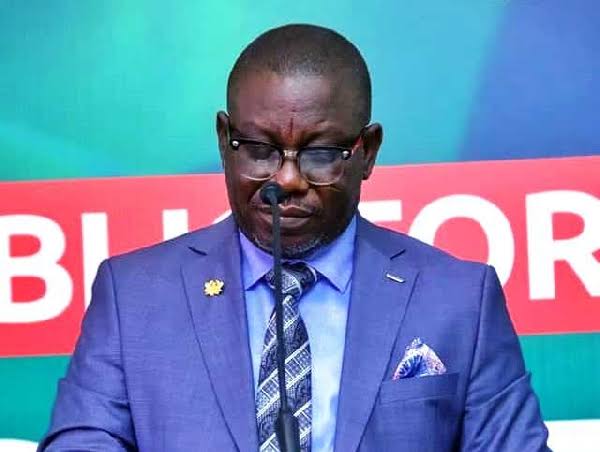
Ghana must establish a legally guaranteed funding mechanism for the Public Interest and Accountability Committee (PIAC). This call comes from Hon. Isaac Adongo, Chairman of Parliament’s Finance Committee and Member of Parliament for Bolgatanga Central. He warned that Ghana risks weakening a vital petroleum oversight institution if its financing relies solely on government discretion.
Mr. Adongo made these remarks at the launch of PIAC’s 15th anniversary celebration in Accra. He stressed the importance of preserving PIAC's institutional independence as Ghana navigates a more complex phase of petroleum revenue management. The anniversary theme, “PIAC@15: Advancing Resource Governance through Transparency and Accountability for Sustainable Development,” highlights the committee's ongoing mission.
PIAC has played a crucial role in promoting transparency, accountability, and responsible management of Ghana’s oil resources over the past 15 years. Its interventions have repeatedly helped Parliament and the public identify weaknesses in petroleum revenue management. This has led to demands for better accountability from institutions receiving oil-funded allocations.
“We are very privileged to have the people who saw the need to set up PIAC,” Mr. Adongo stated. He added that PIAC functions like an independent policy think tank, scrutinizing petroleum revenue expenditure and educating the public. He acknowledged PIAC's consistent efforts, stating, “but for your work, a lot of things would have gone wrong over the years.”
The immediate risk to PIAC concerns its own financing. Reforms affecting the Annual Budget Funding Amount (ABFA) have created uncertainty around the mechanism historically used to support PIAC’s operations. While these reforms aimed to direct petroleum allocations towards larger infrastructure projects, they inadvertently removed PIAC's funding source.
“Unfortunately, those reforms that addressed the problem also put you on the path out of your way,” Mr. Adongo explained. He clarified that a percentage of funding for PIAC previously came from the ABFA. With the ABFA's restructuring, this funding mechanism disappeared, creating a critical gap for the oversight body.
This funding uncertainty directly impacts PIAC's operational independence. An accountability body whose resources depend on annual executive discretion becomes vulnerable, especially when its scrutiny challenges government actions. Mr. Adongo argued that PIAC’s funding must be anchored clearly in law, not left to the goodwill of individual Finance Ministers.
“There must be a clear definition of what the law says should be provided to run your business,” he asserted. This legal anchor would ensure predictable resources for PIAC to recruit staff, undertake inspections, publish reports, and engage citizens. Without it, the committee risks having its budget constrained when its oversight is most needed.
The Finance Committee Chairman emphasized the need to act now, leveraging current goodwill to secure PIAC’s financial future. Beyond PIAC’s finances, Mr. Adongo also used the anniversary to reignite a broader debate. He questioned whether Ghana is saving enough of its petroleum wealth for future generations, highlighting a persistent concern about long-term resource management.
Ensuring PIAC's financial independence is crucial for maintaining robust oversight of Ghana's oil revenues. A legislative solution would safeguard the committee's ability to hold institutions accountable and promote transparent resource management for the benefit of all Ghanaians. This move would strengthen Ghana's governance framework for its vital petroleum sector.