Ghana's parliamentary Minority has formally demanded a complete accounting of the GHS 49.7 million spent by the government. This expenditure was for the evacuation of Ghanaian citizens from South Africa following xenophobic attacks.
The Minority insists the government must provide detailed documentary evidence. This evidence should show precisely how the funds were used. They want Parliament to independently verify the figures presented by the Foreign Affairs Ministry.
This demand highlights ongoing concerns about public financial transparency and accountability in Ghana. It follows a pattern of parliamentary scrutiny over government spending. Previous instances have seen similar calls for detailed expenditure reports, especially for large-scale operations. The Minority's action underscores the critical role of legislative oversight in safeguarding public funds. This scrutiny is vital for maintaining public trust in government financial management.
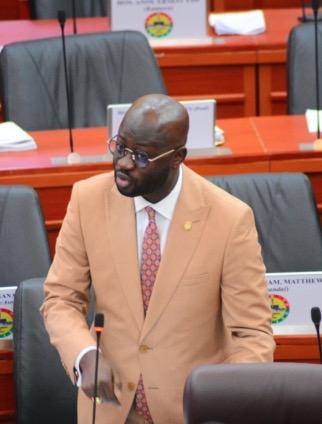
Foreign Affairs Minister Samuel Okudzeto Ablakwa previously stated on September 7 that 1,964 Ghanaians voluntarily returned. He confirmed the total cost for this repatriation exercise was GHS 49,721,786. However, the Minority argues that this expenditure cannot be properly assessed without supporting financial and operational records. Deputy Ranking Member of Parliament’s Foreign Affairs Committee, Nana Asafo Adjei Ayeh, clarified their request. He stated, “Nobody is asking government to publish passport, medical diagnosis, bank account numbers or other unnecessary private information. We are asking for enough documentary information to verify the public account.”
The government's declaration of completed evacuations and settled liabilities requires substantiation. The Minority specifically seeks reconciliation of passenger manifests with purchased tickets. They also want to see invoices issued and payments made during the exercise. This detailed verification process aims to ensure that the number of evacuees matches the reported expenditure. It also seeks to confirm proper accounting for payments to contracted companies. Such scrutiny is essential for ensuring value for money in public procurement. It also prevents potential financial irregularities, which can erode public confidence.
The Minority's demand is not intended as a political accusation. Mr. Ayeh emphasized, “We do not need accusations where documents can provide answers. We do not need speculation where accounts can be established.” This approach seeks factual clarity over political rhetoric. It aims to establish a clear financial trail for the significant public funds utilized. The government has maintained the evacuation was voluntary. It aimed to support Ghanaians affected by xenophobic attacks. However, the GHS 49.7 million bill must be transparently backed by documentation. This allows Parliament to scrutinize and independently establish the proper use of public funds. This process is fundamental to democratic governance and fiscal responsibility.
The outcome of this demand will be closely watched by civil society organizations and the Ghanaian public. It could set a precedent for future government spending accountability. If the government provides the requested documents, it could strengthen public trust. Failure to do so might intensify calls for greater transparency. This situation highlights the constant tension between executive action and legislative oversight. It also underscores the importance of robust parliamentary checks and balances. Businesses involved in government contracts may also face increased scrutiny. This could lead to more stringent requirements for financial reporting in public sector projects. The financial implications for the national budget are also significant. Proper accounting ensures that such large expenditures are justified and well-managed. This scrutiny is crucial for Ghana's economic stability and good governance.