The Ghana Medical Trust Fund (GMTF) has moved beyond its legislative phase to become a functional national institution, already providing critical medical interventions. Dozens of patients have received support, and significant investments are underway to transform specialized healthcare nationwide. This initiative addresses a critical need for financial relief for patients with chronic non-communicable diseases.
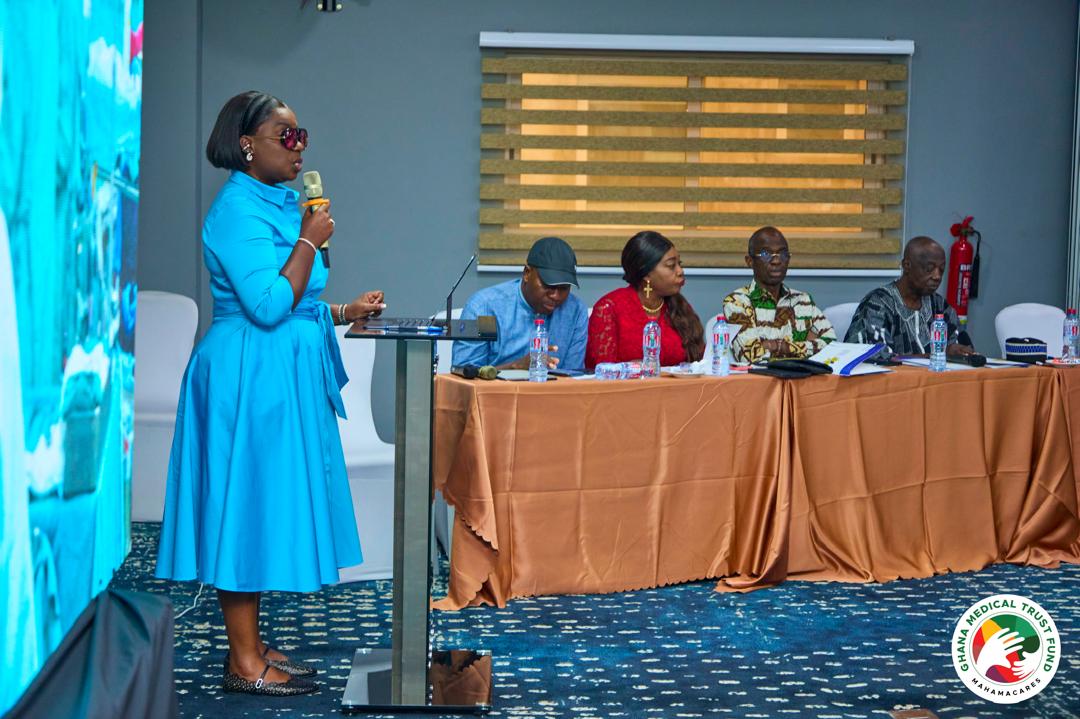
The Administrator of the Ghana Medical Trust Fund, speaking at Parliament’s Majority Caucus Retreat in Ho, Volta Region, confirmed the Fund's operational status. The GMTF has established a solid institutional foundation and is fulfilling its mandate. This includes strengthening Ghana's healthcare system and ensuring financial accessibility for patients.
This development fits into Ghana's broader economic and social agenda to improve public health outcomes and reduce healthcare disparities. The establishment of the GMTF follows a trend of governmental efforts to create dedicated funding mechanisms for essential services. It aims to alleviate the financial burden on citizens, a significant factor in healthcare access.
The Administrator commended Parliament for passing the Ghana Medical Trust Fund Act, calling it a historic decision. This legislation has offered hope to thousands of Ghanaians who previously struggled to afford life-saving treatment. The Fund prioritized building transparent governance systems and recruiting technical personnel over rushed implementation.
A nationwide needs assessment identified critical equipment and infrastructure gaps in teaching hospitals, regional hospitals, and specialist facilities. This strategic approach ensures that investments are targeted and effective. The Fund completed a pilot program where 50 patients with chronic non-communicable diseases received life-saving financial support.
This pilot allowed the Trust Fund to test patient enrolment, claims processing, provider payments, and digital systems before a nationwide rollout. Beyond direct patient support, the GMTF has intensified efforts to modernize healthcare infrastructure. These efforts involve partnerships with corporate institutions and development partners.
These collaborations have resulted in donations of essential medical equipment and consumables to hospitals. The allocation of these resources is based on identified needs, not political considerations. This ensures equitable distribution and maximum impact on patient care.
A flagship achievement highlighted by the Administrator is the commissioning of the reconstructed and expanded Cardiac Catheterisation Laboratory at the National Cardiothoracic Centre. Located at the Korle Bu Teaching Hospital, this facility began performing complex cardiac procedures within two days of inauguration. Thirty patients are expected to benefit from these procedures by the end of the week.
The Administrator also announced plans for two additional Cardiac Catheterisation Laboratories. These will be at the Komfo Anokye Teaching Hospital and Tamale Teaching Hospital, expected to be commissioned before year-end. Future facilities are planned for Ho Teaching Hospital and Effia Nkwanta Regional Hospital, aligning with the President's vision to decentralize specialist cardiac care.
The Trust Fund has also invested heavily in human resource development. It has formed partnerships with the Ghana College of Physicians and Surgeons, the Ghana College of Nurses and Midwives, and the Ghana College of Pharmacists. This investment supports specialist training, including the commencement of training for 500 post-basic nurse specialists.
The long-term vision is to ensure every region has at least ten specialists capable of managing chronic diseases. This will significantly enhance local healthcare capacity. The fourth pillar of the Fund focuses on research, ensuring healthcare policies and investments are evidence-driven. This approach tailors interventions to Ghana's specific disease burden.
The Administrator concluded by declaring that the Ghana Medical Trust Fund is now a functioning institution actively saving lives. Members of Parliament were urged to continue supporting the initiative. This ongoing support will ensure no Ghanaian is denied specialized healthcare due to cost, geography, or circumstance.