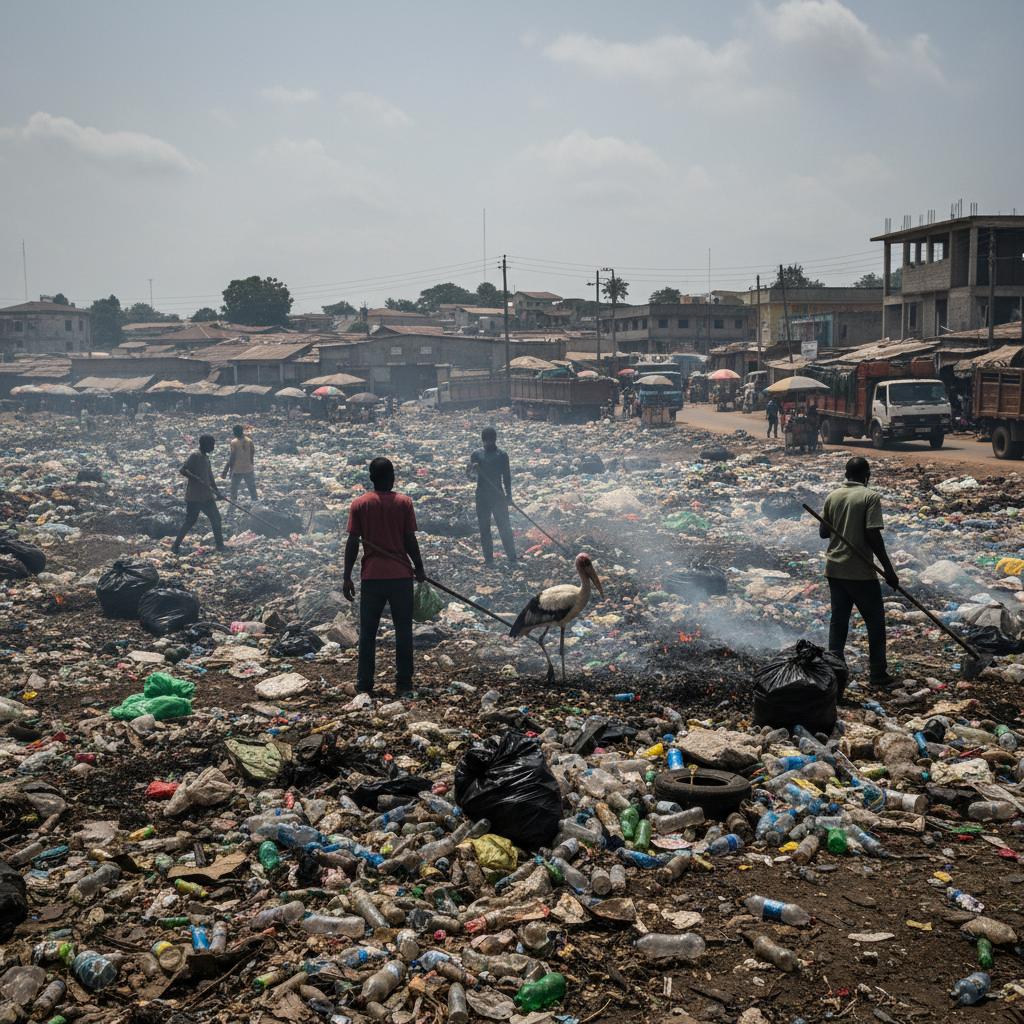
Ghana loses GHS 6.2 billion annually due to poor waste management. This substantial figure encompasses costs from flood-related destruction, increased healthcare spending, and environmental degradation across the country.
This significant financial drain has prompted renewed calls for sustainable financing. The primary goal is to address the growing sanitation challenge, particularly within the Greater Accra Metropolitan Area (GAMA). Officials identified a lack of consistent funding as the biggest obstacle to effective waste management.
This situation fits into Ghana's broader economic narrative of resource allocation and infrastructure development challenges. Rapid urbanisation and population growth are exacerbating the problem. The country’s average waste collection rate is 80%, but increasing waste volumes threaten this progress. The need for sustained public investment in critical sectors remains a recurring theme in Ghana's development discussions.
Ahmed Ibrahim, Minister for Local Government, Chieftaincy and Religious Affairs, stated discussions are underway with the Ministry of Finance. These talks aim to secure dedicated funding for outstanding debts owed to private waste management companies. He warned that payment delays could disrupt sanitation services and create severe environmental and public health risks.
What happens next involves a two-pronged approach. Decision-makers must secure sustainable financing mechanisms to fund modern waste treatment infrastructure. Secondly, there is an urgent need to improve revenue mobilisation and tariff structures within the sanitation sector. Failure to act will further strain public finances and endanger public health.
Ghana generates approximately 4,400 tonnes of solid waste every day, totaling about 1.6 million tonnes annually. This volume is projected to increase significantly over the next decade. Investing in modern waste treatment infrastructure is now an urgent national priority.
Dr. Joseph Siaw Agyepong, President of the Environmental Service Providers Association (ESPA), highlighted Ghana's over-reliance on landfills. He described this approach as outdated and unsustainable. All 17 landfills constructed with international support reached full capacity within ten years, showing the limitations of this method.
Dr. Agyepong advocates for a modern waste management model. This model prioritises waste collection, transfer stations, recycling, and composting. Landfills should serve only as a last resort, he explained. He also raised concerns about inadequate tariff structures, noting that household waste collection fees in Ghana are too low compared to international benchmarks of US$15 to US$20 for lower-middle-income countries.
Stakeholders also acknowledged Ghana's growing leadership in environmental sanitation technology in Africa. Ghana operates over 50 waste treatment and composting facilities. It has begun exporting its sanitation expertise to countries like Kenya and Ethiopia. This progress is due to sustained investments in local capacity development, including training hundreds of qualified professionals.
Dr. Michael Mensah, Vice Dean of the MMDCEs, assured participants of local authorities' commitment. He pledged their support for improving sanitation standards and strengthening waste management systems nationwide. Policymakers must translate these discussions into actionable, sustainable financing mechanisms. This will ensure cleaner communities and protect public health in Accra and the broader GAMA area.