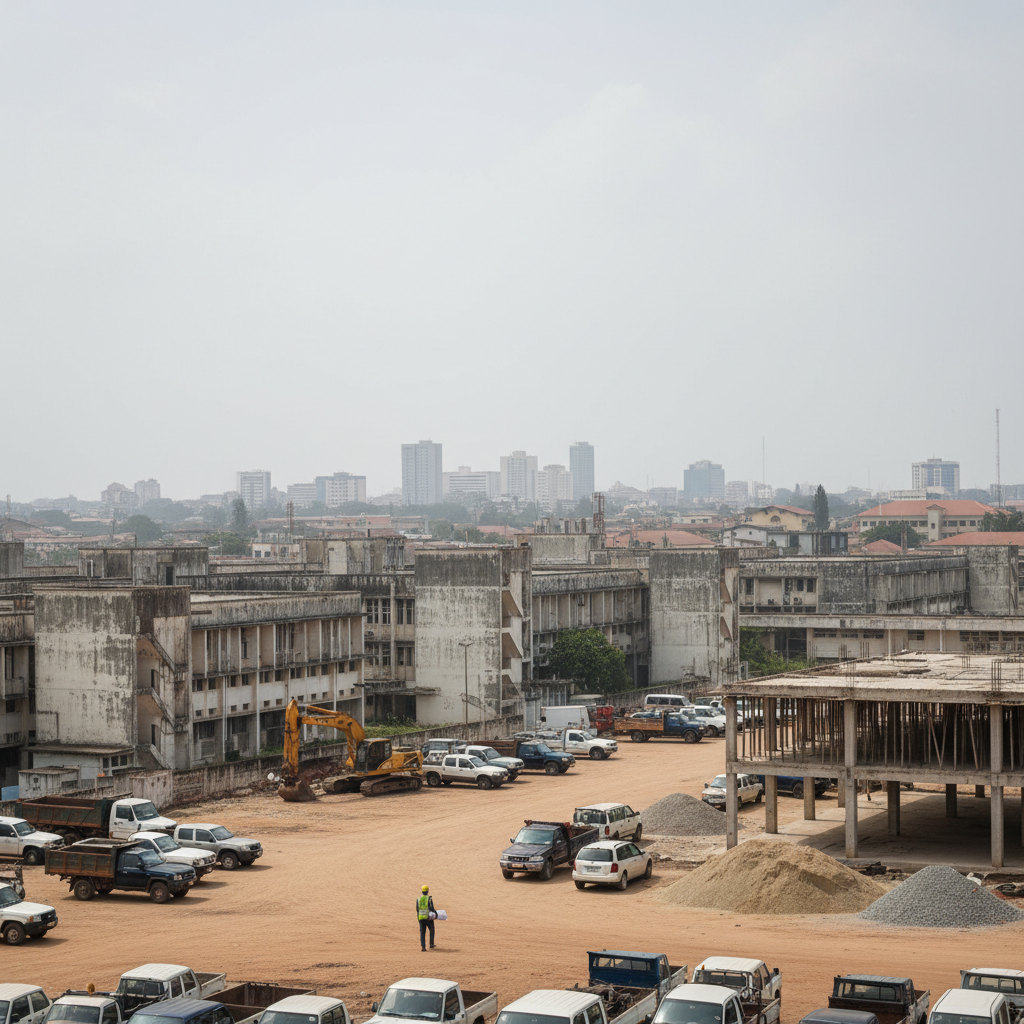
Ghana's Metropolitan, Municipal and District Assemblies (MMDAs) diverted GHS 18.8 million intended for capital projects, according to the 2025 Auditor-General's Report. These local assemblies spent only GHS 2.4 million on capital projects from their internally generated funds, despite a legal requirement of GHS 21.2 million.
This represents a compliance rate of just 11.43%, a significant shortfall from the mandated 20% expenditure. The report covers ten distinct findings across ten regions involving twenty-five MMDAs. These findings show a consistent pattern where revenue collected was redirected away from essential infrastructure funding.
This issue fits into Ghana’s broader economic narrative of development funding challenges at the local level. The Public Financial Management Act, 2016 (Act 921), Section 30, and Paragraph 139 of the Ministry of Finance's Budget Preparation Guidelines clearly state that MMDAs must allocate at least 20% of their Internally Generated Funds (IGF) to capital projects. This statutory requirement is designed to ensure local development, supporting efforts to improve living standards across the country. The Auditor-General's findings highlight a persistent gap in local government financial management and accountability.
Professor Isaac Boadi, Executive Director of the Institute of Economic Research and Public Policy (IERPP), commented on the findings. He stated, “The money was raised. It sat in assembly accounts. The failure is one of compliance, oversight and, ultimately, accountability to the citizens who paid in good faith.” This highlights that the problem is not a lack of resources, but rather a breakdown in the system designed to ensure funds reach their intended purpose.
The implications of this consistent under-spending are significant for local communities. Unpaved roads, undeveloped boreholes, under-equipped clinics, and inadequate market stalls remain common issues due to this funding shortfall. Decision-makers and oversight bodies will need to address this compliance failure to restore public trust. Improved enforcement of the 20% rule is crucial for ensuring that internally generated funds translate into tangible development. Failure to act will further widen the gap between revenue collection and service delivery at the local government level, affecting economic growth and social welfare. This could attract scrutiny from international development partners and rating agencies concerned with governance.