Ghana is integrating non-communicable disease (NCD) treatment more deeply into its universal health coverage (UHC) system. This strategic shift addresses the increasing financial and medical burden of chronic illnesses. Policymakers from across Africa are currently meeting in Accra to discuss sustainable financing for these conditions.
The Ministry of Health is pursuing a two-pronged strategy to tackle NCD financing gaps. This approach combines Free Primary Health Care with the Ghana Medical Trust Fund, known as MahamaCares. The goal is to reduce both the medical and financial strain associated with NCDs. It also aims to close service gaps at both primary and specialist care levels.
This initiative fits into Ghana's broader economic and health reform agenda. NCDs account for roughly 40% of all deaths in Ghana, with hypertension and diabetes being major contributors. These conditions place significant demands on health facilities, medicine supply chains, and the National Health Insurance Scheme. The rising cost profile of chronic diseases creates a substantial financing challenge for the government and households.
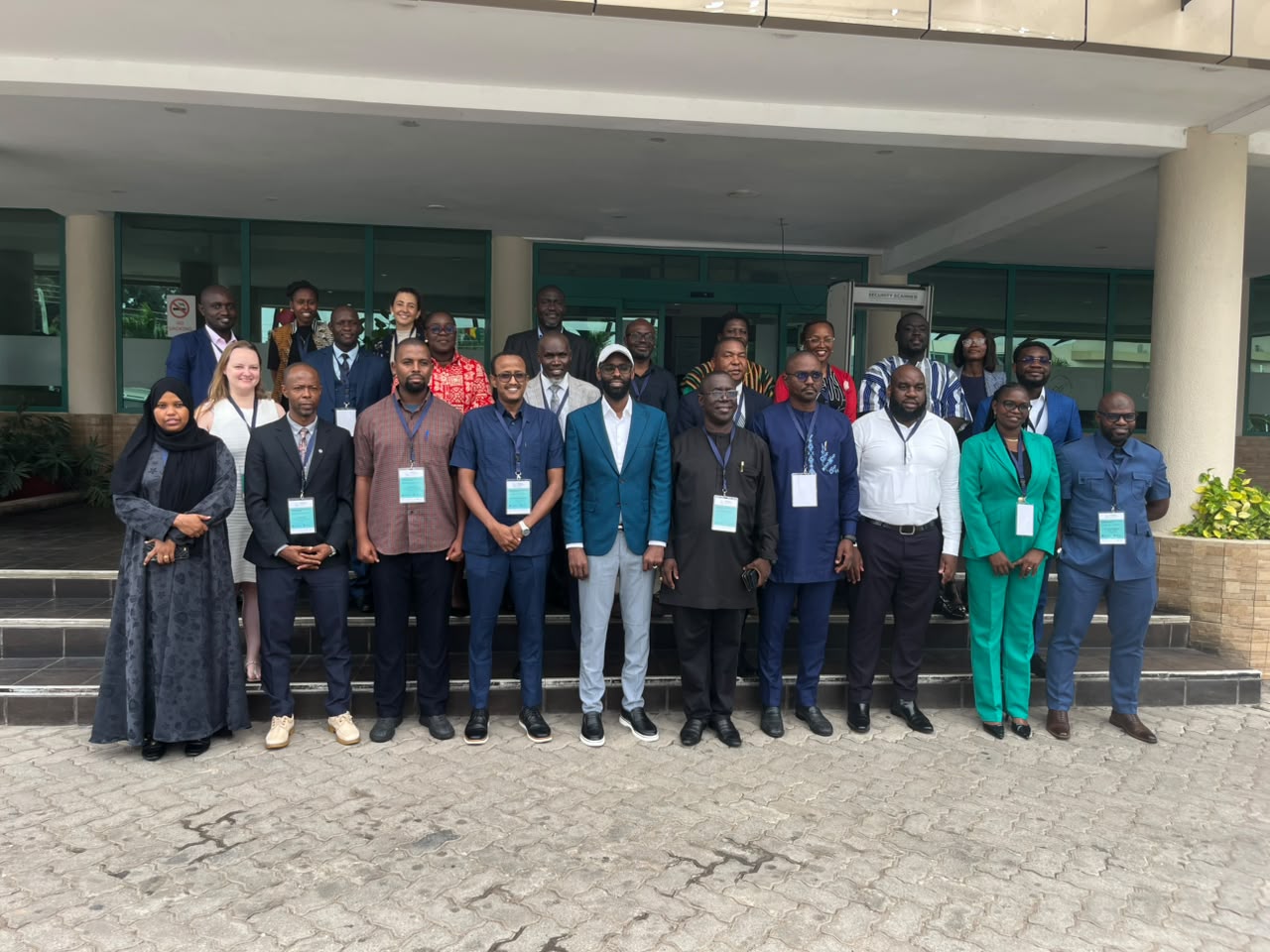
Dr. Belinda Nimako, Director of Policy, Planning, Monitoring and Evaluation at the Ministry of Health, highlighted the urgency. She stated, "NCDs are today one of Ghana’s most pressing health challenges." Dr. Nimako emphasized that NCD financing can no longer be a minor part of Ghana’s health reform agenda. She spoke at the Sub-Saharan Africa Cross-Country Learning Workshop of the Financing Accelerator Network for NCDs in Accra.
The new strategy has significant implications for public health and household finances. Free Primary Health Care removes cost barriers for early screening, diagnosis, and routine management of conditions like hypertension and diabetes. This ensures accessibility at the primary care level for all citizens. For advanced NCD care, the Ghana Medical Trust Fund (MahamaCares) finances treatments for conditions outside the National Health Insurance Scheme. These include cancers, chronic kidney failure, stroke, and cardiovascular disease.
This combined approach seeks to prevent severe complications and protect families from high costs. Early detection of hypertension or diabetes can reduce progression to more serious conditions. This potentially lowers the long-term cost burden on households and the health system. The effectiveness of this model, however, depends on robust implementation. Facilities must have adequate medicines, diagnostics, trained personnel, and efficient referral systems. MahamaCares must also ensure eligible patients access specialist treatment without delays or significant out-of-pocket expenses.
The two-day workshop, held from August 19 to 20, brings together various stakeholders. These include policymakers and health-financing specialists. They are examining how NCD services, essential medicines, and diagnostics can be better integrated into UHC reforms. This collaborative effort underscores the regional commitment to addressing this growing health and economic challenge. Ghana's proactive steps could serve as a model for other African nations facing similar pressures. The reforms are a work in progress, but the direction aims for comprehensive and sustainable NCD care.