The Ghana Health Service (GHS) has issued an urgent public health alert regarding severe health risks associated with the ongoing rainy season. Flooding, poor sanitation, and contaminated water are significantly increasing communities' vulnerability to deadly waterborne outbreaks. These include cholera, typhoid fever, and dysentery across the nation.
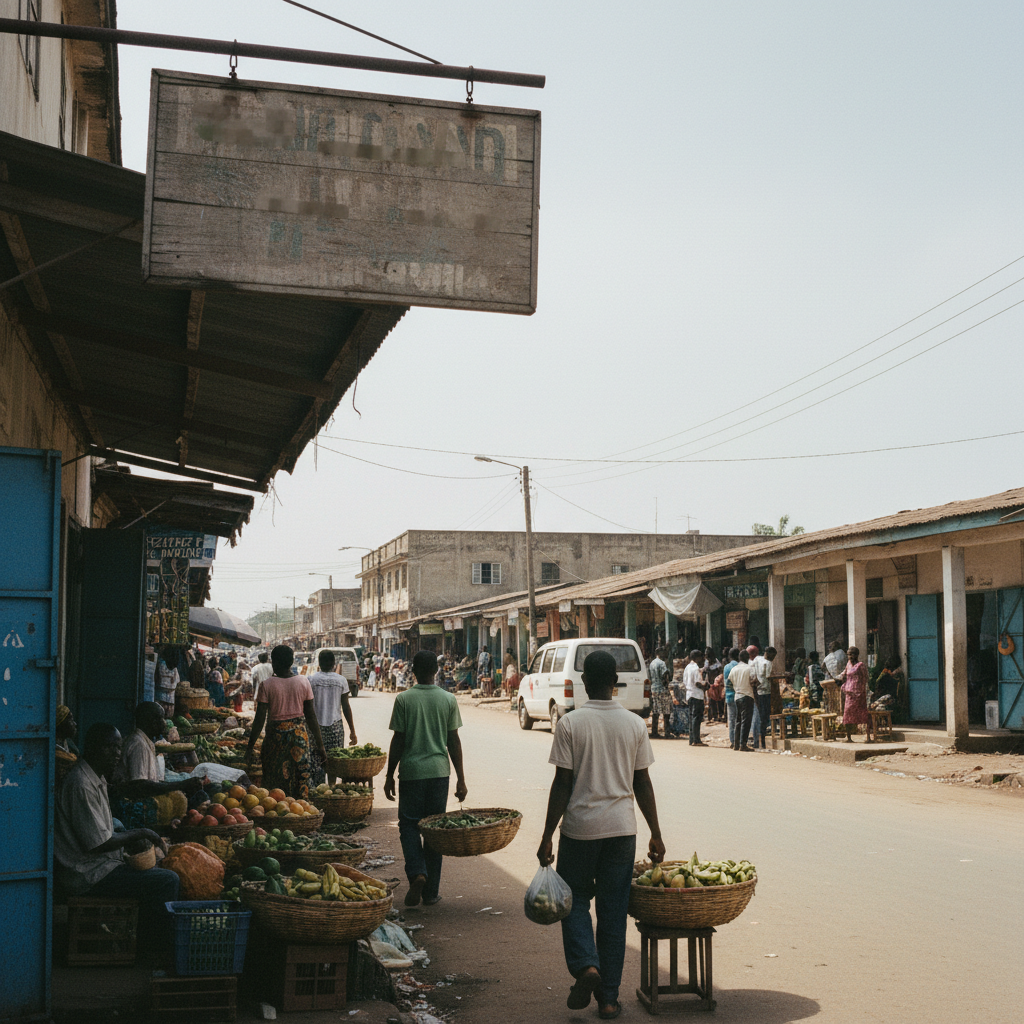
Dr. Samuel Kaba Akoriyea, Director-General of the Ghana Health Service, signed the directive outlining these concerns. Early and prolonged rains frequently carry contaminated faecal matter into local water sources. The GHS also noted that vegetables cultivated near water bodies risk contamination during this period. This widespread contamination directly affects public health and food safety.
This alert comes as Ghana experiences intensified rainy seasons, which often lead to widespread flooding. Such conditions disrupt livelihoods and strain public health infrastructure, particularly in densely populated urban areas. Data from the National Disaster Management Organisation (NADMO) shows a consistent rise in flood-related incidents over the past five years. These incidents frequently correlate with an uptick in waterborne disease cases.
Beyond waterborne infections, health authorities highlight a sharp rise in mosquito breeding grounds. Stagnant water collecting in discarded items like old tyres and cans creates ideal conditions for mosquitoes. This surge in the mosquito population poses an immediate risk of malaria, yellow fever, and dengue fever outbreaks. The GHS press release also points to displaced wildlife as a hazard. Severe flooding forces dangerous reptiles from their natural habitats into human settlements, significantly increasing venomous snakebite risks.
To combat these compounding hazards, the Ghana Health Service has outlined strict preventative measures. The GHS advises the general public to keep surroundings clean and free from water-collecting containers. Clearing bushes around homes can remove hiding places for dangerous reptiles. Keeping doors and windows closed and raising household belongings off the floor minimises hiding spots for displaced snakes. These proactive steps are crucial for community safety during the rainy season.
The GHS also urges thorough food safety practices. All food must be cooked completely, and fruits and vegetables washed properly with clean water and salt or vinegar. Regular handwashing with soap under running water, especially before handling food, is essential. Individuals experiencing any symptoms of illness should report to the nearest health facility promptly.
For commercial food operators, the GHS mandates sourcing food items from hygienic, approved suppliers with valid food handling certificates. Adhering to rigorous food safety practices during preparation and storage is critical. Raw food items like fish must be kept strictly separate from ready-to-eat foods. Thoroughly washing all fresh produce with clean water and salt or vinegar before processing or serving is also required.
The Ministry of Health and the Ghana Health Service re-emphasised their commitment to safeguarding the health and well-being of all residents. Public cooperation and heightened alertness are absolutely essential. This collaboration aims to prevent catastrophic disease outbreaks during this challenging rainy season. Compliance with these guidelines is vital to mitigate the health and economic impact of these seasonal threats.