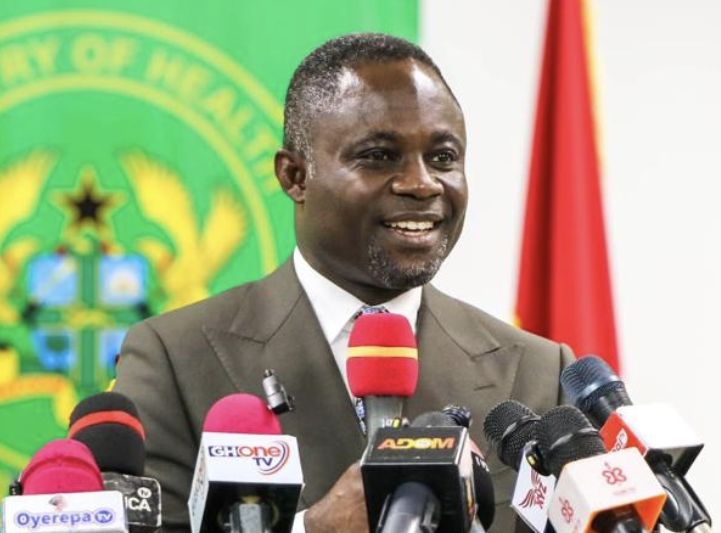
Ghana's Health Minister, Kwabena Minta Akandoh, has called on African countries to significantly reduce their dependence on external funding for healthcare. He urged nations to mobilize domestic resources to finance their health systems more effectively. This critical message was delivered on Tuesday at the African Union's 25th Extraordinary Summit on Health held in Accra.
The Minister stressed that greater self-reliance is essential for achieving health sovereignty and universal health coverage across the continent. He highlighted that a continent financing its own health secures its future and avoids being held hostage by changing priorities beyond its borders. The summit brought together Health, Finance, and Foreign Affairs Ministers from AU Member States to review the AU Roadmap to 2030 and beyond.
This push for domestic financing aligns with Ghana's broader economic strategy to enhance self-sufficiency and reduce reliance on foreign aid and loans. The nation has been working to improve its fiscal position and invest in critical social sectors, including health and education. Ghana's economic growth, while fluctuating, has seen efforts to channel more resources into public services, recognizing the long-term benefits of a healthy workforce.
Minister Akandoh explicitly urged African leaders to prioritize predictable and sustainable domestic financing for health systems. This call is in line with the Abuja Declaration, which committed African governments to allocate at least 15% of their annual budgets to improve the health sector. He also advocated for expanded local production of medicines, vaccines, and health technologies. Akandoh noted that recent global health emergencies exposed Africa's over-reliance on imported medical products, stating, "The next emergency must never again find Africa waiting at the back of the queue."
The implications of this call are far-reaching, potentially leading to increased national budget allocations for health and greater investment in local pharmaceutical manufacturing. Decision-makers and financial markets will be watching to see how individual African nations respond to this challenge. Increased domestic investment could stimulate local economies, create jobs, and build more resilient healthcare infrastructure, ultimately improving public health outcomes and reducing the economic burden of preventable diseases. This shift could also attract more private sector investment into Africa's health sector.
Mr. Akandoh also urged governments to place primary healthcare at the center of national health systems. This involves investing in community clinics, community health workers, nurses, midwives, and other frontline healthcare professionals. He acknowledged progress in reducing HIV and AIDS infections, noting that new HIV infections in eastern and southern Africa have declined by almost 60%. AIDS-related deaths have also fallen by more than half, demonstrating the impact of targeted health interventions.
Despite these gains, Africa continues to face significant health challenges, particularly high maternal mortality and limited access to quality healthcare. Africa accounts for nearly 70% of global maternal deaths, with almost 200,000 women dying each year from pregnancy-related causes that modern medicine could prevent. The global Universal Health Coverage Service Coverage Index stands at 71, but Africa's regional average remains 44, the lowest in the world. Many families in Africa are forced to choose between purchasing medicines and meeting basic household needs due to the high cost of healthcare, underscoring the urgency of the Minister's appeal.