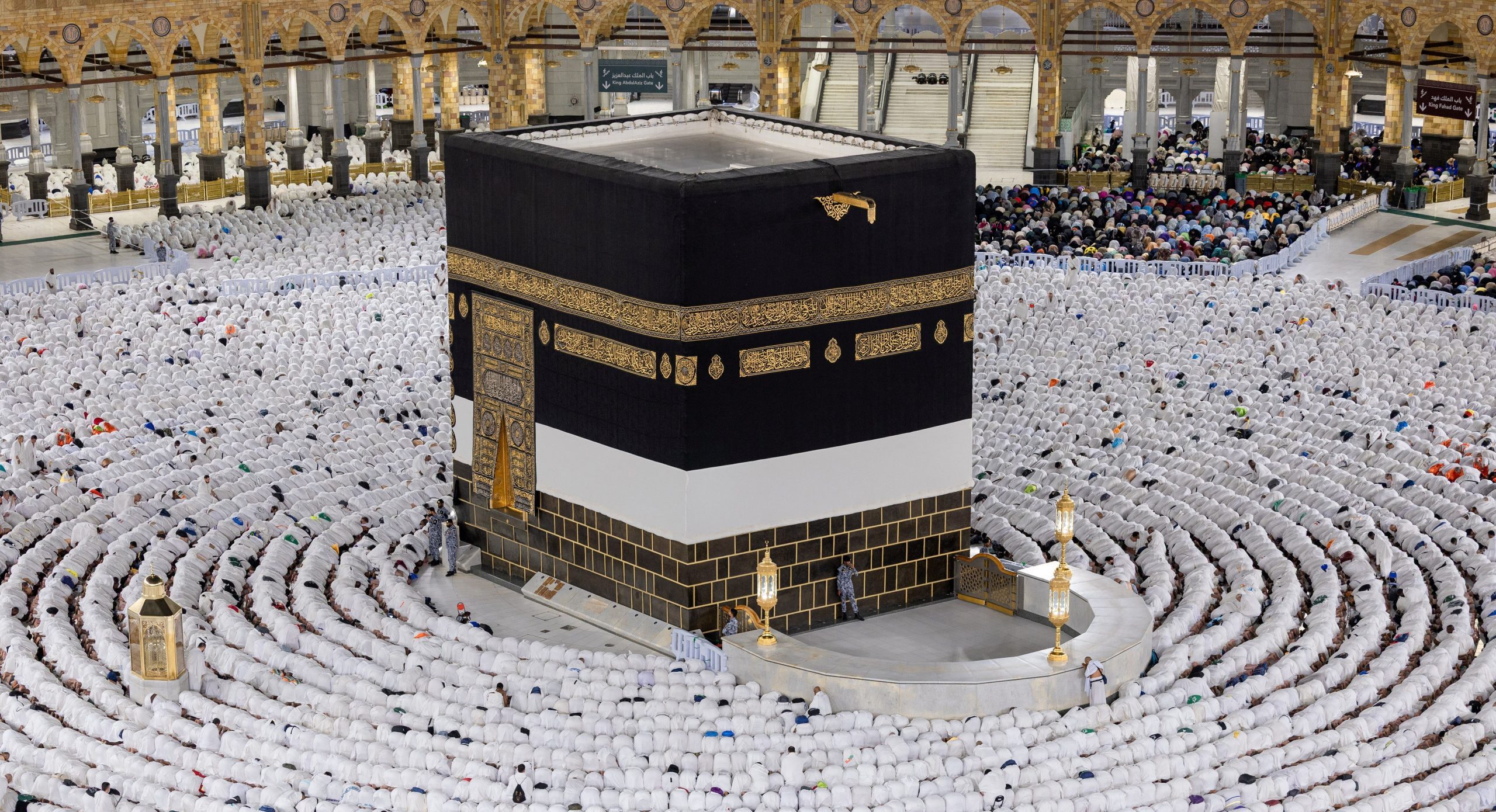
Ghana’s Pilgrims’ Affairs Office (PAOG) has set the official fare for the 2027 Hajj pilgrimage at GHS 60,000. This amount matches the fare charged for the 2026 Hajj, offering financial certainty to prospective pilgrims.
The PAOG has already commenced collecting payments for the 2027 Hajj, emphasizing early registration. This proactive approach aims to streamline the process for pilgrims. Registration operates on a first-come, first-served basis until Ghana’s allocated quota is filled. This ensures fair access for all eligible individuals.
Maintaining the Hajj fare at GHS 60,000 provides stability for pilgrims planning their finances. This decision comes as Ghana navigates various economic pressures, including currency fluctuations and inflation. The consistent fare helps manage expectations for a significant religious and financial undertaking for many Ghanaian Muslims. It also reflects broader efforts to stabilize costs where possible.
Alhaji Abdul-Rauf Tanko Ibrahim, Chairman of the PAOG/Ghana Hajj Board, urged pilgrims to start their preparations early. He highlighted the importance of timely payments and document submissions. Early action helps avoid last-minute difficulties, ensuring a smoother pilgrimage experience for all participants.
The PAOG has strongly cautioned the public against using unaccredited agents or intermediaries for Hajj payments. They advise making payments only through approved channels, such as accredited Hajj agents using official PAOG payment codes. Direct payments to PAOG’s designated GCB Bank accounts are also accepted. This measure protects pilgrims from potential fraud and financial losses.
This consistent pricing for the Hajj pilgrimage could influence household savings and financial planning for many Ghanaian families. The stability in cost allows for better budgeting over the next year. It also signals a commitment from PAOG to provide clear financial guidelines. This transparency is crucial for such a significant religious journey.
The PAOG’s emphasis on secure payment channels is a critical step in safeguarding pilgrims’ investments. Fraudulent activities often target large financial transactions like Hajj payments. By directing pilgrims to specific, authorized methods, the office aims to mitigate these risks. This protects both the pilgrims and the integrity of the Hajj process.
The decision to maintain the fare also reflects the PAOG’s operational efficiency and cost management. Despite potential increases in international travel and accommodation costs, the office has managed to hold the price steady. This stability is a relief for many who view the Hajj as a once-in-a-lifetime spiritual obligation. It supports broader financial inclusion for those aspiring to undertake the journey.
Prospective pilgrims must now prioritize early registration and adhere strictly to payment guidelines. The first-come, first-served system means delays could result in missing the opportunity. This creates a sense of urgency for those planning to participate in the 2027 Hajj. The PAOG’s clear directives aim to facilitate an organized and secure pilgrimage.
The economic implications extend to the banking sector, particularly GCB Bank, which handles direct payments. The influx of Hajj-related funds will pass through these official channels. This highlights the financial infrastructure supporting large-scale religious events in Ghana. The PAOG’s strategy ensures accountability and financial security for all stakeholders involved.