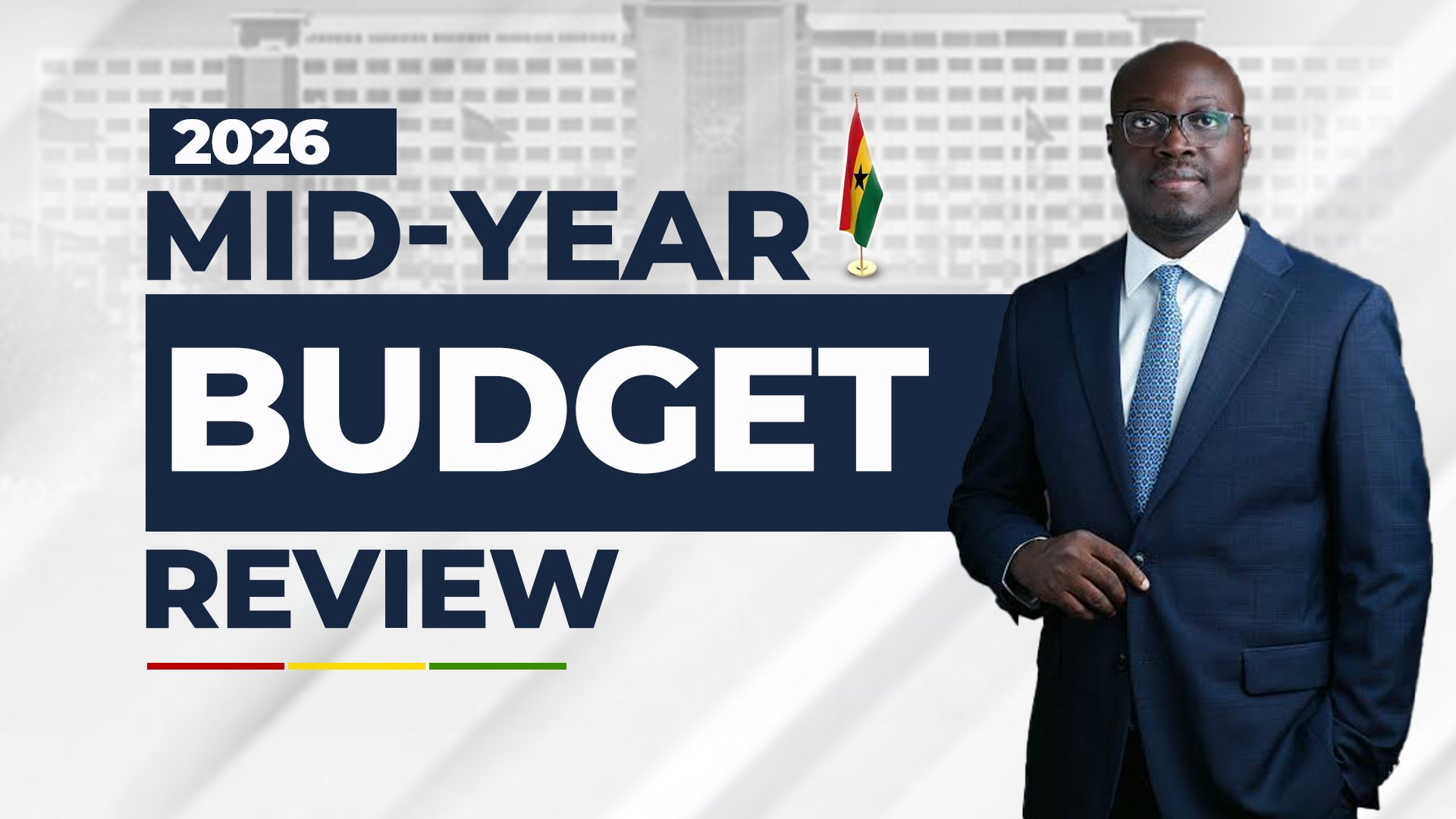
Ghana's government has officially presented the full text of its 2026 Mid-Year Budget Review. This crucial document outlines the nation's economic performance for the first half of the year and details revised fiscal projections and policy measures for the remainder of 2026.
The mid-year review is a statutory requirement, allowing the government to assess the budget's implementation against initial targets. It enables necessary adjustments to revenue collection strategies and expenditure allocations based on economic realities. This year's review is particularly important given ongoing global economic uncertainties and domestic fiscal consolidation efforts.
This budget review comes amidst a broader national discussion about the sustainability of government's fiscal gains. The New Patriotic Party (NPP) has been questioned by the opposition regarding the long-term viability of these gains. Such reviews are vital for maintaining investor confidence and ensuring the country stays on its path towards economic stability and growth. Ghana's economy has faced various challenges, including inflation and currency fluctuations, making prudent fiscal management paramount.
While specific details from the budget text are pending, the presentation itself signifies the government's commitment to transparency and accountability in public finance. Previous reports, such as GoldBod's rejection of minority claims of financial losses, citing a GHS 5.44 billion surplus, highlight the ongoing debate surrounding the government's financial health. The budget review will likely address these figures and provide updated economic indicators.
Moving forward, stakeholders will closely scrutinize the budget review for key policy changes, particularly those affecting taxation, public spending, and infrastructure development. Businesses and investors will look for signals on interest rates, inflation control, and government support for key sectors. The decisions outlined in this review will significantly influence Ghana's economic trajectory for the rest of 2026 and beyond, impacting everything from job creation to the cost of living for ordinary Ghanaians.
The government's approach to managing its debt and stimulating economic activity will be a central theme. Any new initiatives or revisions to existing programs will be carefully evaluated by economists and the public. The budget review also serves as a barometer for the government's commitment to its medium-term development agenda. It will provide clarity on how the government plans to finance its operations and achieve its development objectives.
The presentation of the 2026 Mid-Year Budget Review is a pivotal moment for Ghana's economic calendar. It sets the tone for the second half of the year and provides a framework for economic activity. The review's impact will be felt across all sectors, from large corporations to small businesses and individual households. Careful analysis of the document will be essential for understanding the government's economic priorities and their potential implications.