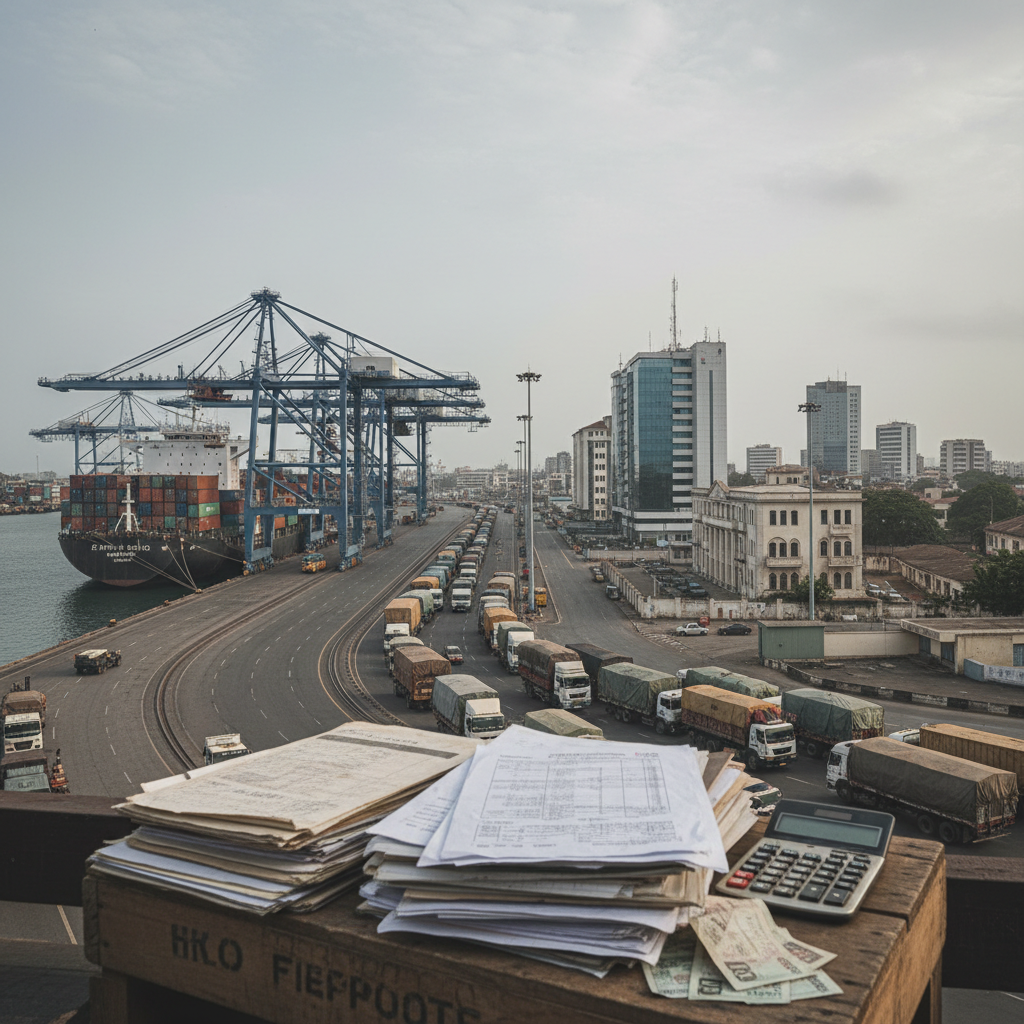
Ghana's government expects to repay approximately GHS 54 billion in debt servicing during 2027. Vice President Opoku-Agyemang has cautioned the Finance Minister against unsustainable borrowing practices. This substantial figure represents the cost of servicing existing national debt.
These debt servicing costs present a significant financial challenge for the nation. The Vice President emphasized the need for all stakeholders to address these issues collectively. Ghana is working to stabilize its economy following recent difficulties.
This anticipated GHS 54 billion repayment highlights ongoing pressures on Ghana's public finances. The nation has faced high debt levels and economic vulnerabilities in recent years. Ghana Statistical Service (GSS) reported earlier that economic activities expanded by 4.7% in April 2026. This growth is positive but might not fully mitigate the heavy debt burden. Past borrowing decisions have contributed to the current financial obligations.
Vice President Opoku-Agyemang urged the Finance Minister to avoid further unsustainable borrowing. She stated, "We knew that the situation was going to be difficult." The Vice President added that "the practical situation deepened that difficulty." This emphasizes the severity of the financial situation.
The government must carefully manage its fiscal policies in the coming months. Decision-makers will need to balance spending with debt obligations. International financial markets will closely monitor Ghana's ability to meet these commitments. The Cedi's stability could also be affected by these financial pressures. Future borrowing strategies will be under intense scrutiny.
Ghana's economic managers face the complex task of stimulating growth while controlling debt. Avoiding new unsustainable loans will be key to long-term financial health. The public will also expect transparency regarding the nation's financial state. This GHS 54 billion repayment serves as a critical benchmark for the government's fiscal management.