Ghana's government reduced its spending by 29% in the first quarter of 2026. This significant cut followed a 4.5% shortfall in its revenue targets for the same period. The reduction in expenditure directly impacted various government activities, including crucial capital investments.
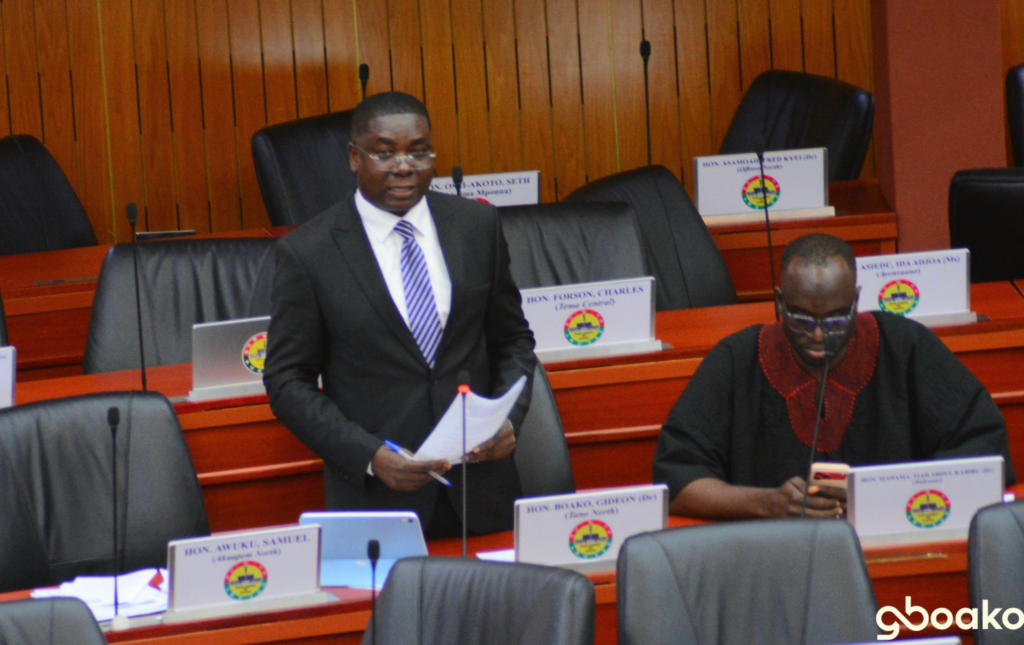
The Deputy Ranking Member on Parliament’s Finance Committee, Dr. Gideon Boako, highlighted these figures during a parliamentary debate on Tuesday. He explained that weak revenue mobilization efforts were the primary reason for the government's inability to meet its financial goals. This forced the administration to scale back planned expenditures across different sectors.
This recent development is part of a recurring pattern in Ghana's public finance management. In 2025, the government also experienced a 2.2% shortfall in revenue collection. This earlier miss led to a 13% reduction in overall government expenditure, with capital expenditure specifically falling by 13.8%. These consistent shortfalls underscore ongoing challenges in Ghana's fiscal policy and revenue generation strategies.
Dr. Boako, who is also the Member of Parliament for Tano North, urged the Finance Ministry to implement more effective revenue mobilization strategies. He emphasized that improved collection is essential to ensure the government has sufficient resources. This would allow the state to fund critical development projects without resorting to expenditure cuts or increasing its borrowing, which adds to the national debt burden.
The implications of these spending cuts are far-reaching for Ghana's economy. Reduced capital expenditure can slow down infrastructure development, affecting job creation and overall economic growth. Businesses relying on government contracts may face delays or cancellations, impacting their operations and profitability. The government's ability to deliver essential services could also be compromised.
Analysts will closely monitor the Finance Ministry's response to these calls for improved revenue generation. The government's fiscal performance directly influences investor confidence and the country's credit ratings. Sustained revenue shortfalls could lead to higher borrowing costs and increased pressure on the Ghana cedi (GHS) against major international currencies. The mid-year budget review will be a key event to watch for new policy directions.
Ghana's economic stability depends heavily on its ability to manage public finances effectively. Consistent revenue underperformance and subsequent spending cuts create an environment of uncertainty. This makes long-term planning difficult for both the government and private sector stakeholders. Addressing these fiscal challenges is crucial for sustainable economic development in the country.
The government's commitment to fiscal discipline, while necessary, must be balanced with the need for strategic investments. These investments are vital for driving economic growth and improving the living standards of Ghanaians. The ongoing debate in Parliament reflects the urgency of finding sustainable solutions to Ghana's revenue challenges.