The Government of Ghana is investing GHS 3 billion into secondary education. This significant financial commitment aims to expand and improve access and quality for all Ghanaian children.
This investment is part of the Strategic Secondary Education Transformation and Reform for Jobs (STAR-J) project. It directly addresses critical infrastructure deficits and seeks to eliminate the double-track system in senior high schools. The initiative also aims to end school congestion, ensuring better learning environments for students nationwide.
This substantial allocation underscores the government's focus on human capital development and its impact on Ghana's future workforce. The education sector's improvement is crucial for long-term economic growth and productivity. Previous budget allocations have also targeted educational infrastructure, highlighting a sustained policy direction.
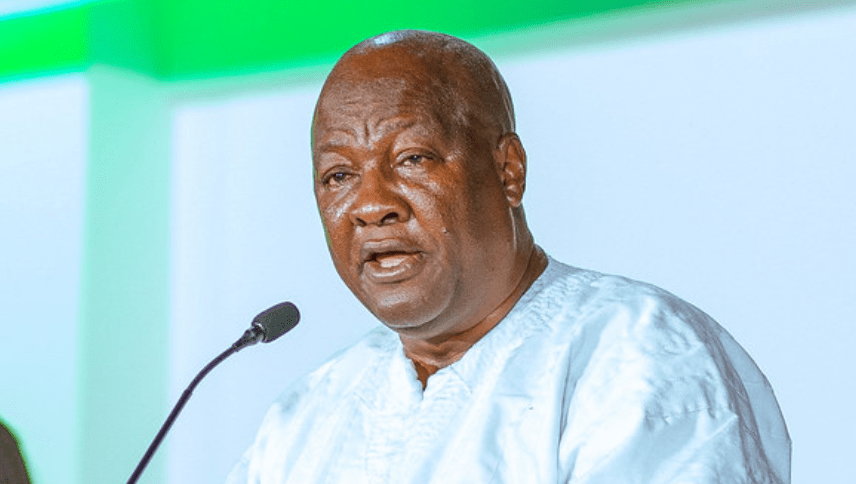
President John Dramani Mahama announced this investment during the commissioning of an E-Block facility. He spoke at Paga in the Kassena-Nankana West District of the Upper East Region. The President emphasized the project's goal to end the double-track system by 2027.
Ending the double-track system will allow students to attend school simultaneously. It will also ensure equal teacher-contact hours, which is vital for academic performance. This move is expected to significantly improve learning outcomes, particularly for the West African Senior School Certificate Examination (WASSCE).
The STAR-J project will support the construction of 30 new E-Block senior high schools. These schools will be built in high-population-density communities, serving as accessible community-based institutions. This strategic placement aims to cater to areas with the greatest need for educational facilities.
President Mahama also confirmed that the 2026 budget allocated funds for completing 30 abandoned E-Block projects. These projects were initiated during his previous administration. He stressed that completing these projects prevents the waste of taxpayers' money already invested.
The Paga Senior High School, where the announcement was made, was one such abandoned project. Students previously used parts of the facility under challenging conditions. The Ghana Education Trust Fund (GETFund) has been directed to fast-track furniture and equipment provision for the school.
Furthermore, Paga Senior High School will become a boarding school from the 2027 academic year. This expansion includes constructing boys' and girls' dormitories and a dining hall. The President also promised a new 60-seater bus for the school, to be delivered before the boarding facilities are completed.
This comprehensive investment reflects a strategic approach to education reform. It addresses both physical infrastructure and the quality of teaching and learning. The government's commitment aims to ensure that all Ghanaian children have access to quality secondary education.
The successful implementation of the STAR-J project will be closely watched by parents, educators, and economists. Its impact on student performance and the national education landscape will be a key indicator of its effectiveness. This initiative represents a substantial financial and policy commitment to Ghana's future.