Ghana’s fiscal deficit narrowed sharply to GHS 9.9 billion, representing 0.6% of Gross Domestic Product (GDP), in the first half of 2026. This marks a significant reduction from GHS 21.4 billion, or 1.5% of GDP, recorded during the same period in the previous year.
The improved financial position stems from a combination of increased revenue collection and disciplined expenditure control. The primary balance, which excludes interest costs, recorded a surplus of GHS 11.5 billion, or 0.7% of GDP. This indicates that government revenue exceeded primary spending during this period, a key sign of fiscal health.
This fiscal tightening occurs as Ghana works to consolidate its economic stability after years of high deficits and debt accumulation. The government has implemented new fiscal rules to ensure long-term financial discipline. These rules include a medium-term debt ceiling of 45% of GDP by 2034 and a minimum annual primary surplus of 1.5%.
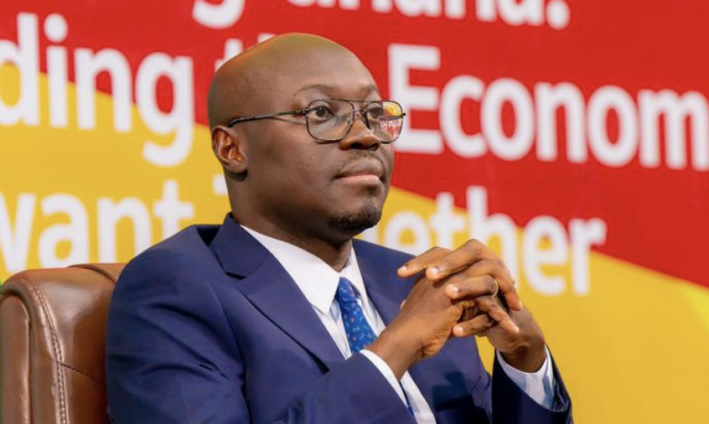
Ghana’s Finance Minister, Dr. Cassiel Ato Forson, described managing public finances as a “sacred duty.” He emphasized personal integrity and accountability in his role, stating, “What guides me most is a clean conscience.” These remarks were made in an interview shared by TV3 Ghana, highlighting his commitment to prudent financial stewardship.
The sustainability of this fiscal adjustment will depend on continued revenue growth and careful management of future spending pressures. Decision-makers will closely monitor how delayed investment projects are executed and how the government handles emerging expenditure needs. This ongoing vigilance is crucial for maintaining macroeconomic stability and investor confidence.
Total revenue and grants reached GHS 99.39 billion in the first six months of 2026, an increase of 16.1% over the prior year. However, this figure was still 10% below the programmed target of GHS 110.41 billion. Government expenditure stood at GHS 109.38 billion, which was 24.9% below budget, partly due to lower-than-planned interest payments and capital expenditure.
The current public debt stood at GHS 719.5 billion, equivalent to 45% of GDP, at the end of June 2026. This nominal increase partly reflects the government building buffers for future debt-service obligations. The 2026 Budget has made fiscal discipline a central pillar of economic policy, aiming for a primary surplus of at least 1.5% of GDP.
The Ministry of Finance plays a critical role in decisions regarding taxation, borrowing, and spending. These decisions directly impact interest rates, inflation, exchange-rate stability, and private-sector access to credit. Persistent government borrowing can compete with businesses for domestic liquidity, potentially hindering economic growth.
Uncontrolled deficits can increase debt-service burdens and undermine overall macroeconomic stability. Taxpayers, investors, and development partners rely on robust procurement systems, commitment controls, and transparent reporting. These safeguards ensure public resources are properly managed, regardless of who holds the Finance Ministry position.
The government has strengthened some of these safeguards, including a commitment-authorization regime across ministries, departments, and agencies. It has also created oversight structures like the Independent Fiscal Council and the Office of Value for Money. These measures aim to institutionalize fiscal discipline beyond individual ministerial preferences.
Effective fiscal management also requires identifying contingent liabilities early, such as financial difficulties at state-owned enterprises. These issues can eventually impact the sovereign balance sheet. Restructuring or financing commercially weak public entities is vital for preventing future fiscal burdens.