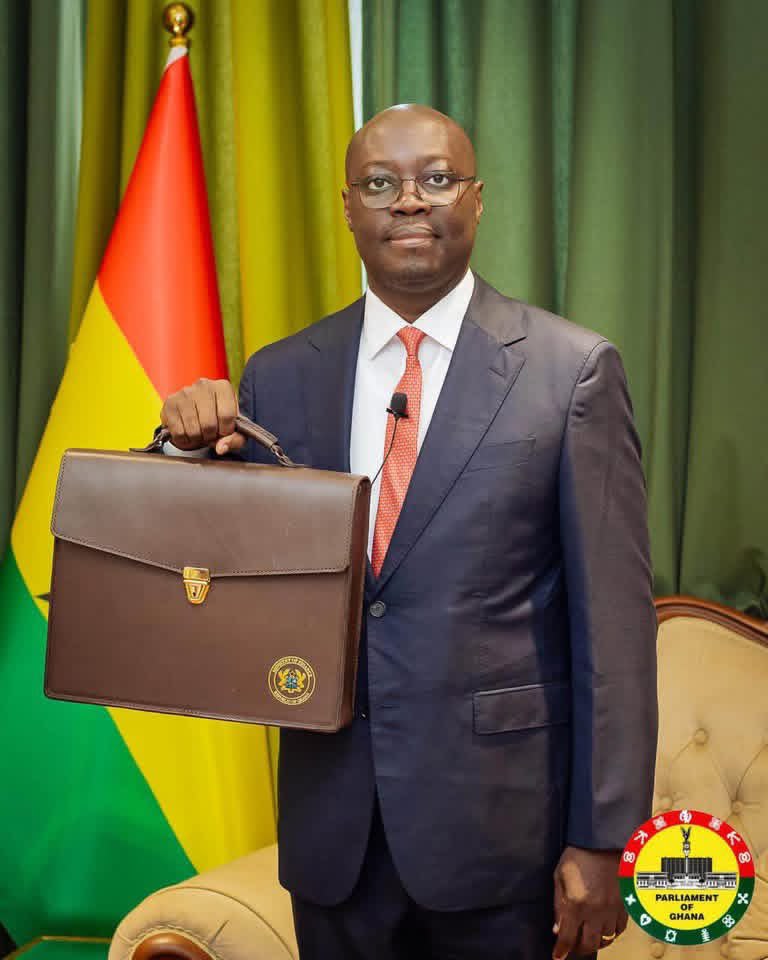
Ghana's government has successfully reduced public expenditure, with primary expenditure falling from 18.7 percent of Gross Domestic Product (GDP) in 2024 to 13.2 percent of GDP in 2025. This significant 5.5 percentage-point adjustment represents a major fiscal consolidation effort. Finance Minister Dr. Cassiel Ato Forson confirmed these figures, stating that the measures have improved Ghana's fiscal position and put public debt on a sustainable trajectory.
The reduction in spending is a core component of the government's economic recovery program. This program is built on three main pillars: fiscal correction, modernizing the tax system, and implementing policies to control inflation and stabilize the exchange rate. These actions were designed to regain control over public finances, enforce spending discipline, and restore trust in Ghana's economic management.
These fiscal reforms are crucial for Ghana's broader economic stability. The country has faced significant economic challenges, including high public debt and currency depreciation. The government's focus on expenditure-led adjustments, rather than solely revenue-led measures, aims to distribute the economic burden more fairly. This approach also seeks to protect vulnerable groups within the population, ensuring that recovery benefits all citizens.
Dr. Ato Forson, speaking in Parliament, stated that the results of these efforts are clear. He noted that every major macroeconomic indicator has improved significantly. He further explained that the government has recalibrated its International Monetary Fund (IMF)-supported program to prioritize these expenditure-led adjustments. This strategic shift demonstrates a commitment to fiscal discipline for investors, development partners, and the Ghanaian public.
Looking ahead, the government has taken steps to prevent future fiscal challenges. It has amended the Public Financial Management Act to include a binding fiscal rule. This rule requires a minimum annual primary surplus of 1.5 percent of GDP and sets a debt-to-GDP ceiling of 45 percent by 2034. These institutional reforms aim to embed fiscal discipline and prevent excessive borrowing and uncontrolled spending.
To further enhance financial oversight, the government has established a Value for Money Office. This office will work to improve spending efficiency and ensure public funds deliver maximum benefits. A Fiscal Council has also been created to strengthen oversight, transparency, and accountability in public finance. Additionally, a comprehensive audit of government payables has been conducted to eliminate any irregular financial obligations. These initiatives collectively aim to restore fiscal credibility and sustain Ghana's ongoing economic recovery.