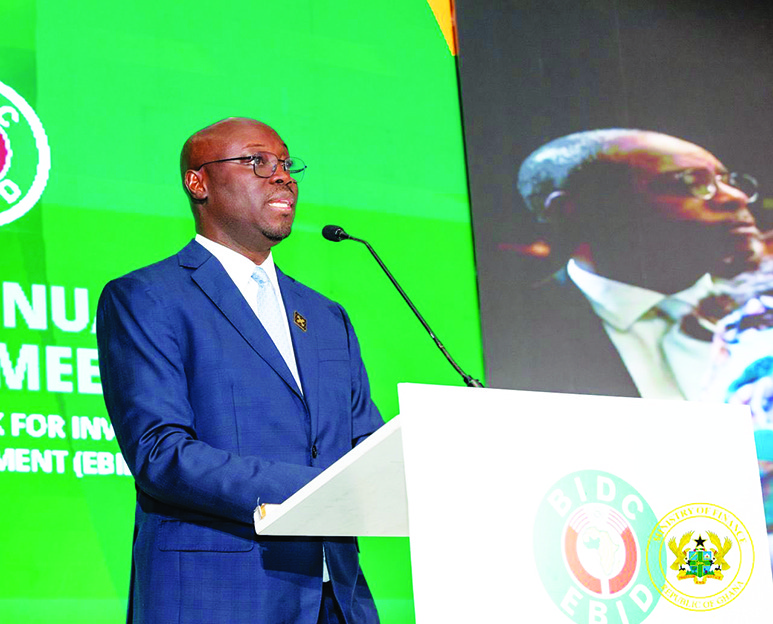
Ghana's Finance Minister, Dr. Cassiel Ato Forson, has stated that the country's recent economic recovery is not solely due to its debt restructuring programme or support from the International Monetary Fund (IMF). He asserted that policy reforms and disciplined economic management have been the primary drivers of stability.
Addressing Parliament during the presentation of the 2026 Mid-Year Fiscal Policy Review, Dr. Ato Forson explained that the Domestic Debt Exchange Programme (DDEP) and the IMF programme offered important support. However, he maintained these could not independently restore economic stability without sound policy implementation. The Minister emphasized that debt restructuring might create fiscal space, but it does not automatically create fiscal discipline. He added that an IMF programme provides a framework but cannot replace effective economic management.
This perspective places Ghana's recovery within a broader narrative of deliberate government action. It highlights a shift towards internal policy adjustments rather than relying solely on external interventions. The nation has been navigating significant economic challenges, including high inflation and a depreciating currency, making the source of recovery a critical point of discussion. The government's focus on structural reforms since January 2025 aims to rebuild investor confidence and ensure long-term stability.
Dr. Ato Forson acknowledged the severe impact of the previous debt restructuring exercise. He noted that domestic and external bondholders, financial institutions, individual investors, and pensioners all suffered significant losses. The restructuring process imposed "crude and painful haircuts" on bondholders, with many individuals losing portions of their lifetime savings. This admission underscores the human cost of economic instability and the difficult choices made during the crisis.
The economic crisis also led to business closures, company relocations, job losses, and increased hardship for households. Dr. Ato Forson described the situation inherited by the current administration as a consequence of fiscal indiscipline, excessive borrowing, weak accountability, and poor economic management. He stressed that this experience should serve as a reminder to protect Ghana’s macroeconomic stability and prevent a recurrence of the crisis. The government, upon assuming office, moved quickly to implement structural reforms, arguing that the economy required more than temporary adjustments.
The Minister insisted that the progress Ghana is recording today did not happen by chance. He stated that the gains reflect deliberate policy choices rather than external factors alone. Sustaining the recovery will depend on continued fiscal discipline, credible policies, and effective implementation of economic reforms. Ghana must learn from the economic crisis and adopt measures that prevent excessive borrowing and fiscal vulnerabilities in the future. This forward-looking approach is crucial for maintaining investor trust and ensuring sustainable growth.
The emphasis on internal policy reforms aligns with broader efforts to strengthen Ghana's economic resilience. It suggests a commitment to prudent fiscal management and structural adjustments that can withstand future economic shocks. The government's strategy aims to build a more robust economy less reliant on external aid and more driven by domestic policy effectiveness. This approach is vital for Ghana's long-term economic health and its standing in the global financial community.