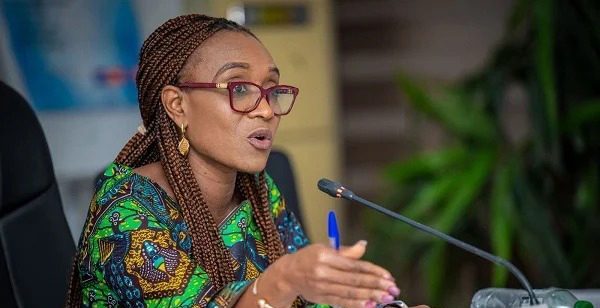
Ghana’s government missed its domestic tax revenue target by nearly GHS 2 billion in the first half of 2025. This shortfall indicates weak economic activity rather than improved financial performance, according to Member of Parliament Abena Osei Asare.
The former Deputy Finance Minister stated that the government aimed for GHS 128 billion in domestic tax revenue but recorded a deficit. This deficit is largely due to lower-than-expected revenue from domestic goods and services taxes. These taxes fell below projections by about GHS 6.8 billion.
This situation fits into a broader narrative of Ghana’s ongoing fiscal challenges. The government has been under pressure to manage its budget deficit and public debt. Previous years have seen efforts to increase revenue through new tax measures. However, these measures have not always yielded the expected results.
Abena Osei Asare, MP for Atiwa East, highlighted these concerns during a parliamentary debate. She questioned the government’s revenue mobilisation efforts. "The numbers tell a story that people are not buying and businesses are not flourishing," she said. She stressed that economic success should reflect actual business performance and improved livelihoods.
The implications of this fiscal approach are significant for Ghana's economy. Reduced public investment, particularly in infrastructure, could slow development. This could also affect economic opportunities for citizens and businesses. Decision-makers will need to address how to stimulate economic activity and improve revenue generation effectively.
The government’s strategy of reducing expenditure to control the fiscal deficit has drawn criticism. Capital expenditure, which funds development projects, declined by about GHS 14.3 billion in the first half of 2025. This cut in development spending has impacted key infrastructure projects, including road construction.
Abena Osei Asare argued that this approach does not truly balance the books. "Government is therefore not balancing the books. They are just balancing the books by not spending," she stated. She believes that reduced investment could hinder long-term economic growth.
Despite implementing eight new taxes in 2025, the country still recorded an overall revenue gap of about GHS 5 billion. This raises questions about the effectiveness of the government’s revenue strategy. The Minority in Parliament has called for a focus on increasing productive investment. They advocate for supporting businesses and creating conditions that boost economic activity.
The underperformance in Value Added Tax (VAT) collections, which dropped by approximately GHS 2.3 billion, further supports the argument of weak consumer spending. Excise duty revenues also underperformed. These figures suggest a slowdown in economic transactions across various sectors.
Ghana’s economic stability relies on robust revenue collection and strategic public spending. The current trend of revenue shortfalls and expenditure cuts indicates a need for a revised fiscal approach. This approach should prioritise sustainable growth and job creation. The government must find ways to encourage business activity and consumer confidence. This will ensure a more resilient and prosperous economy for all Ghanaians.